

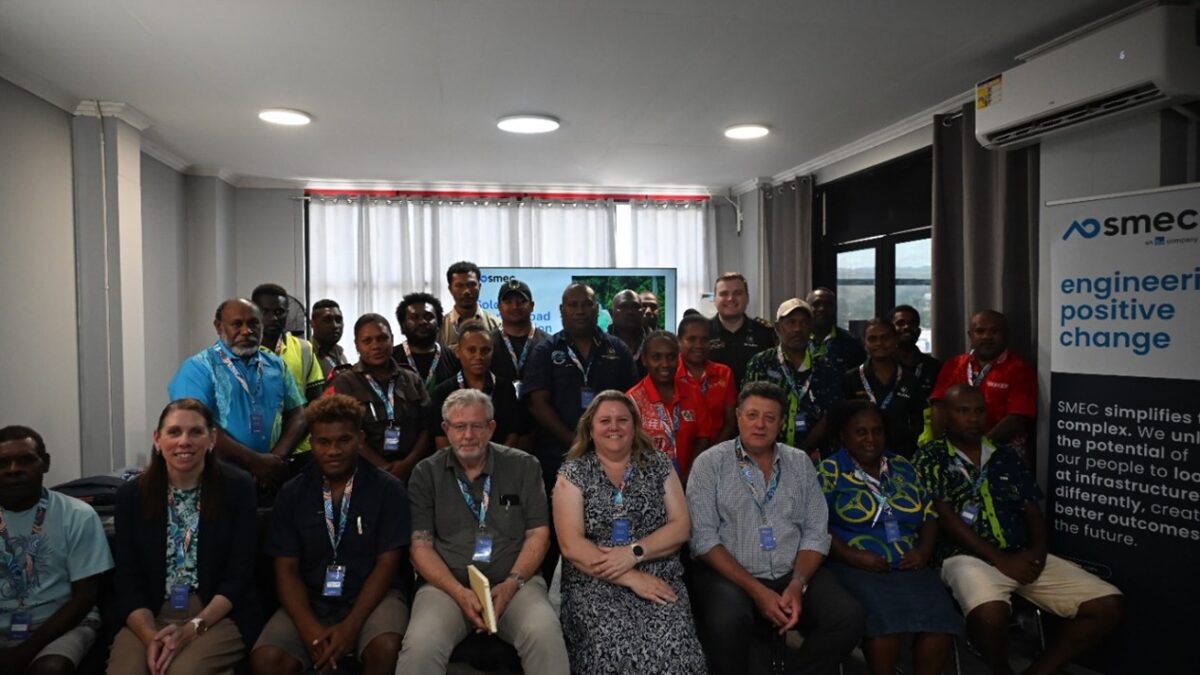
Group photo after the workshop.
Solomon Islands Commits to Safer Roads with New 2027–2029 Action Plan Supported by World Bank
The Solomon Islands Government through the Ministry of Infrastructure Development (MID) has officially launched the comprehensive Solomon Islands Road Safety Action Plan 2027–2029, marking a pivotal step in the nation’s multi-sectoral effort to reduce traffic injuries and protect communities. The National Road Safety Conference and Workshop, held from June 2 to June 4, 2026, in Honiara, unveiled the strategy.
This initiative is a key deliverable of the Solomon Islands Road Safety Capacity Improvement Project, implemented under the Second Solomon Islands Roads and Aviation Project (SIRAP2). Funded with support from the World Bank, the capacity-building and technical sessions were facilitated by international engineering and infrastructure consultancy firm SMEC, a member of the SJ Group.
The primary goal of the Action Plan is ambitious: to reduce road crash-related deaths and serious injuries by 50% across the Solomon Islands by 2030. This aligns national road safety efforts with regional and global safe system standards.
MID’s Acting Permanent Secretary Mike Qaqara emphasized the importance of a safe and efficient road transport system for the country’s economic and social development.
“Investing in road infrastructure and safety measures enhances connectivity, saves lives, supports commerce, and fosters inclusive national progress,” he stated.
The development of this three-year plan follows an extensive baseline capacity assessment conducted by the World Bank and a comprehensive status assessment carried out by SMEC earlier this year. Data indicates that, while official figures report relatively low numbers of serious injuries, stakeholder engagement uncovered significant underreporting, revealing road trauma as a critical and often hidden public health issue. This challenge is compounded by urban migration and a surge in registered vehicles—from 10,000 in 2014 to over 100,000 in recent years.
The action plan outlines fifty ninety targeted interventions across six strategic pillars, aligned with modern safe system principles:
– Effective Road Safety Management: Establishment of the National Road Safety Council (NRSC), an expert advisory body reporting to the Road Transport Board (RTB), comprising representatives from MID, the Royal Solomon Islands Police Force (RSIPF), health, education, the Honiara City Council (HCC), and public transport providers.
– Safer Speeds: Development of a national road hierarchy and speed limit updates across provincial and urban corridors to protect vulnerable road users.
– Safer Roads: Infrastructure modernization through standard warning signage in school zones and villages, highly visible thermoplastic line markings, urban lighting audits, upgraded pedestrian crossings, and long-term asset databases.
– Safer Road Users: Introduction of mandatory motorcycle rider training, helmet regulations, formal road safety curricula in schools, and extensive public awareness campaigns.
– Safer Vehicles: Strengthening border control policies, enforcing UNECE safety standards for imported vehicles, and implementing random vehicle fitness inspections.
– Post-Crash Response: Restructuring emergency services with strategically located ambulance stations via St. John Ambulance (SJA) and establishing a centralized trauma database.
The NRSC’s technical leadership will systematically oversee the implementation and monitoring of these initiatives. This team will collaborate closely with government ministries and international partners to ensure transparent resource mobilization and sustainable economic growth.
During the workshop, SMEC experts delivered targeted presentations on various safety disciplines, including road safety in Solomon Islands, Pedestrian Safety, Safe Temporary Traffic Management, Star Ratings for Safer Roads with iRAP, and Road Maintenance versus Road Safety.
Meanwhile, Acting Director of the Ministry’s Transport Infrastructure Management Services Division (TIMSD) Ishmael Alulu explained that the NRSC membership will be finalized in the coming months. He also said that ongoing reviews of the Road Act and Road Transport Act will continue aiming to bring key stakeholders together to strengthen road safety legislation.
Mr. Alulu further acknowledged funding constraints as a major challenge to infrastructure modernization but highlighted the ongoing Land and Maritime Connectivity Project (LMCP) as a testament to the government’s commitment. This project includes climate-resilient infrastructure, installation of road signages, pedestrian crossings, line markings, street lighting, and directional signs.
SMEC will continue its consultation series in the next three months to ensure ongoing stakeholder engagement and successful implementation.
Ends///
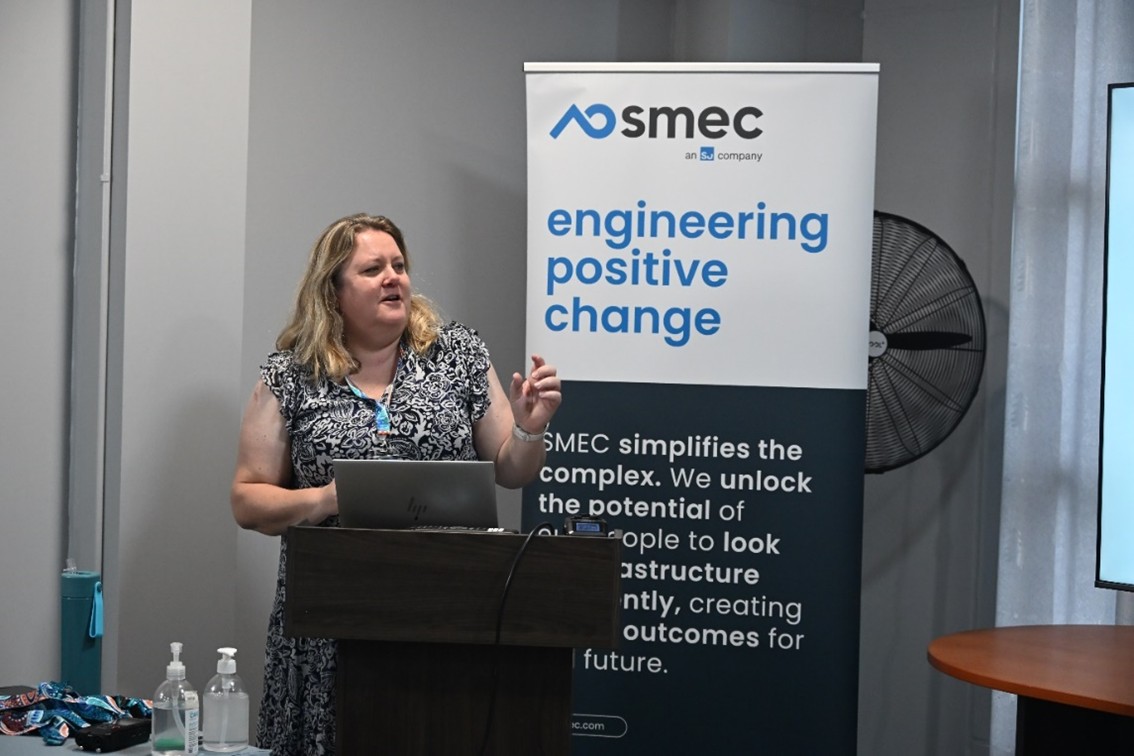
Lindsay Smith who is SMEC’s Technical Principal Transport Planning & Advisory.
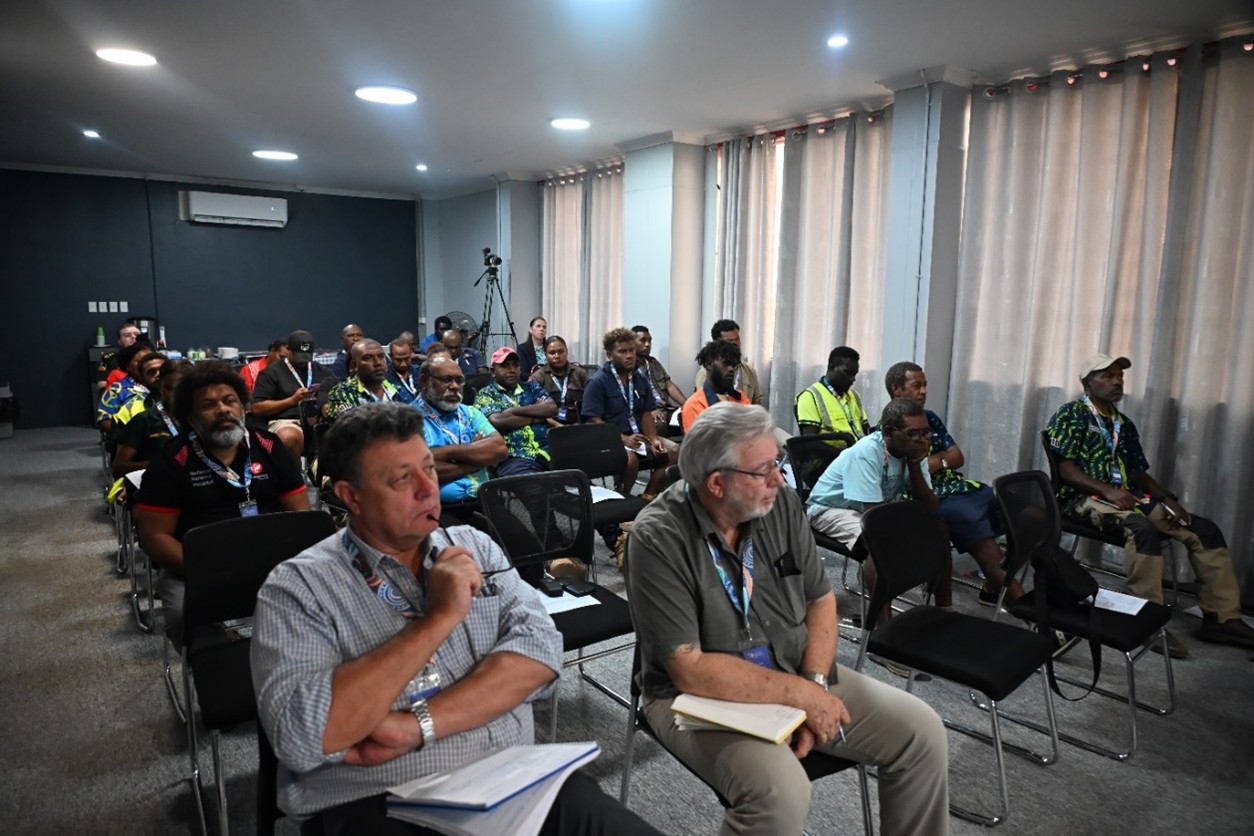
SMEC experts delivered targeted presentations on various road safety disciplines.
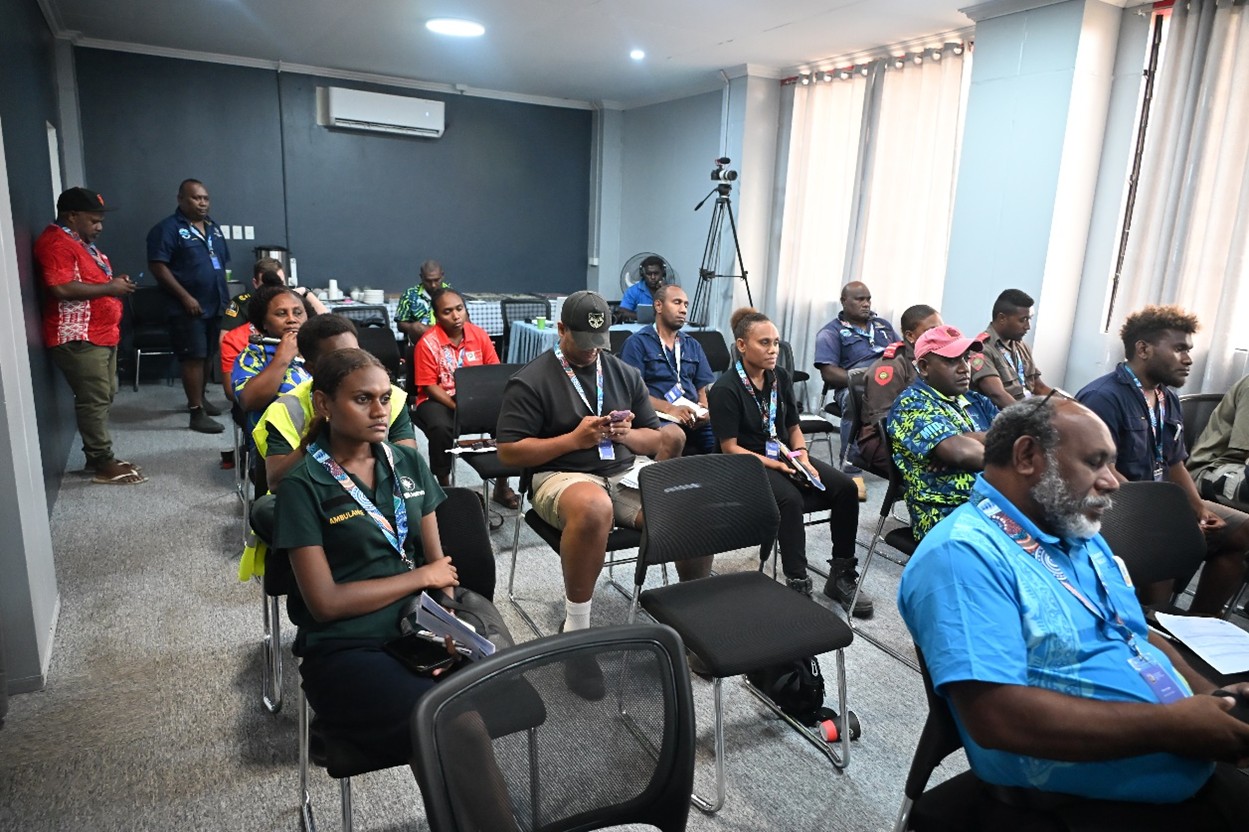
The workshop was attended by key stakeholders and MID divisional representatives.