

About the Ministry of Agriculture & Livestock (MAL)
The Ministry of Agriculture and Livestock (MAL) is one of the government’s key ministry responsible for formulating, executing, monitoring and coordinating the Solomon Islands Government (SIG) agricultural policies. It has two broad set of responsibilities and functions; one is related to policy and the other is linked to the provision of technical support and regulatory services. With the aim to manage natural resources and improve quality and quantity of production of staple and commodity crops and livestock, MAL continues to work together with government, NGO’s and private sector partners in its service delivery to facilitate and support the development of commercial agriculture and livestock in Solomon Islands.
Minister of Agriculture & Livestock
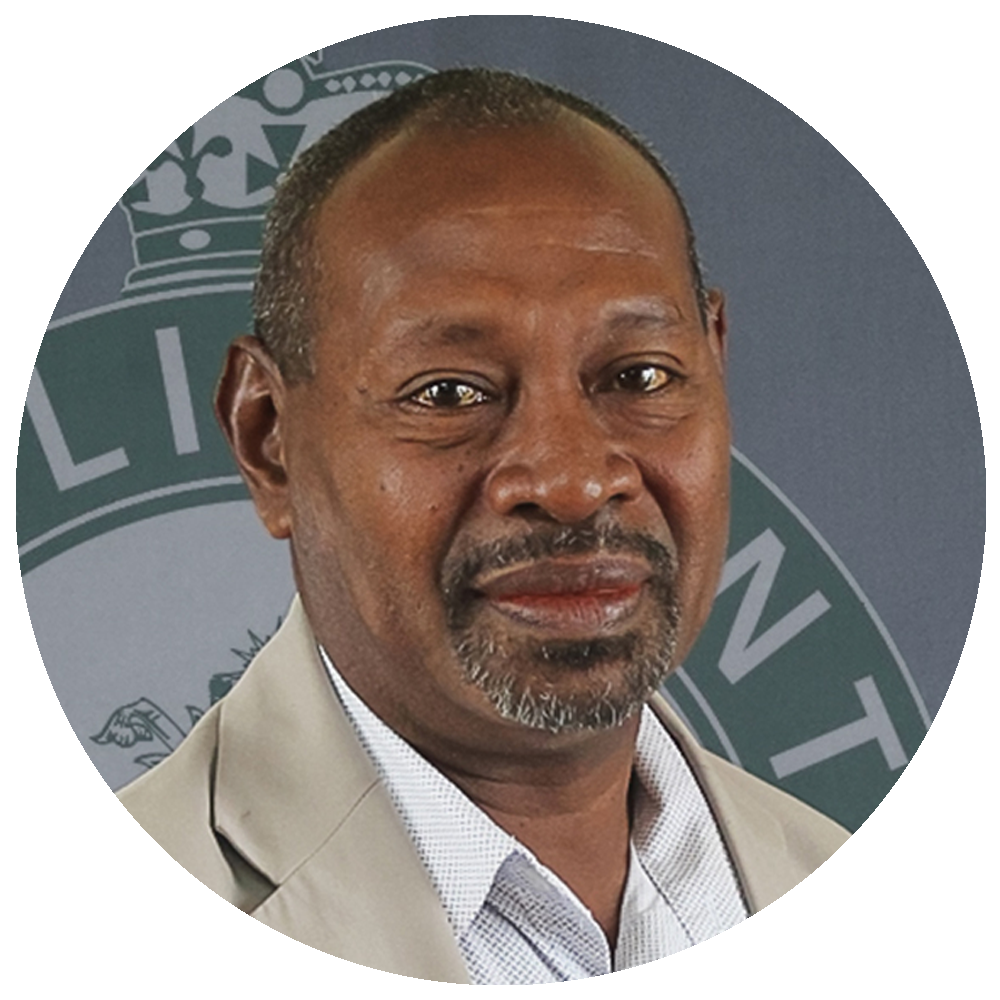 Hon. Nestor Ghiro
Welcome to the Ministry of Agriculture and Livestock (MAL).
Our mission is to promote, improve and lead agriculture development in Solomon Islands to a profitable and environmentally sustainable future by being the premier provider of information, research, extension, education, regulatory, and other services to improve the agriculture sector.
PROFESSIONAL PROFILE
The Honourable Nestor Ghiro is a Solomon Islands politician, educationist and public sector leader who represents the Central Makira Constituency in the National Parliament of Solomon Islands.
First elected to Parliament in 2014, Hon. Ghiro has served in various parliamentary and ministerial capacities, contributing to national development, public administration, provincial governance and natural resource management.
In 2026, he was appointed Minister for Agriculture and Livestock Development.
In this capacity, he provides political leadership and policy direction for the development of the agriculture and livestock sectors, with a focus on strengthening food security, supporting local farmers, promoting agribusiness, increasing agricultural productivity and improving rural livelihoods.
Before entering Parliament, he built a professional career in education and the private sector, serving as a science teacher, Head of Department, school principal and technical adviser.
PROFESSIONAL SUMMARY
The Honourable Nestor Ghiro brings to his current ministerial responsibilities a combination of educational leadership, private sector experience, parliamentary representation and ministerial governance.
His professional journey from science education and school administration to national political leadership reflects his longstanding involvement in public service and community development.
As Minister for Agriculture and Livestock Development, he is committed to advancing the agriculture and livestock sectors as important pillars of Solomon Islands’ economic development, food security, rural livelihoods and national prosperity.
CURRENT MINISTERIAL APPOINTMENT
Minister for Agriculture and Livestock Development
2026 – Present
Key areas of responsibility include:
- Providing leadership and strategic direction for agriculture and livestock development.
- Promoting food security and increased domestic food production.
- Supporting farmers and strengthening agricultural extension services.
- Encouraging agribusiness development and private sector participation.
- Promoting sustainable agricultural practices and rural economic development.
- Improving livelihoods and economic opportunities for rural communities.
PREVIOUS MINISTERIAL APPOINTMENTS
Minister for Fisheries and Marine Resources
2019 – 2025
Minister for Provincial Government and Institutional Strengthening
2019 – 2025
These ministerial responsibilities provided experience in natural resource management, provincial governance, institutional development and public policy.
PARLIAMENTARY EXPERIENCE AND APPOINTMENTS
Member of Parliament – Central Makira Constituency
2014 – Present
Parliamentary committee appointments:
- Chairman, Education and Human Resources Training Committee (22 December 2014 – 1 November 2017).
- Member, Parliamentary House Committee (22 December 2014 – 1 November 2017).
- Member, Public Accounts Committee (22 December 2014 – 1 November 2017).
EDUCATIONAL BACKGROUND AND QUALIFICATIONS
University of the South Pacific (USP)
- Bachelor of Science (BSc) Degree.
Waimapuru National Secondary School
- Secondary education (1986 – 1991).
- Makira / Ulawa Province.
Waita Primary School
- Primary education (1979 – 1985).
- Makira / Ulawa Province.
PROFESSIONAL EXPERIENCE BEFORE ENTERING PARLIAMENT
Technical Adviser – Elite Logging Company
2005 – 2014
Principal – Tawatana Community High School
2004 – 2005
Head of Science Department – Pawa Provincial Secondary School
2000 – 2003
Senior Science Teacher – Waimapuru National Secondary School
1997 – 1999
AREAS OF PROFESSIONAL EXPERIENCE
Through his professional, parliamentary and ministerial career, Hon. Ghiro has gained experience in:
- Political leadership and parliamentary representation.
- Ministerial leadership and public administration.
- Agriculture and livestock development.
- Fisheries and marine resources management.
- Provincial government and institutional strengthening.
- Education management and human resource development.
- Science education and technical advisory services.
- Rural development and community engagement.
- Public policy and government decision-making.
CONTACT DETAILS
Official Contact Address:
Office of the Minister
Ministry of Agriculture and Livestock Development
Honiara, Solomon Islands
Telephone: 42978
Email: RKari@mal.gov.sb (Contact through Minister’s EPS)
Our Services
Ministry services include;
- Facilitate and support the development of commercial agriculture in Solomon Islands.
- Facilitate research, development and marketing of high value cash crops.
- Facilitate acquisition of Russell Islands Plantation Estates.
- Support agro-forestry in the country (SI).
- Promote oil palm development in other parts of the country.
- Facilitate and support the development of livestock industry.
- Enhance and promote sustainable agriculture development in Solomon Islands and ensure the sector contributes to economic growth, stability, food security, good health and rural development through improved rural livelihoods.
- Promote, improve and ensure leading agricultural developments in Solomon Islands are profitable and environmentally sustainable through the provision of timely and quality agricultural information, research, extension, education and regulatory services throughout the country.
To achieve its mission, the Ministry of Agriculture & Livestock delivers services through its six (6) Departments. The six Departments are composed of Divisions through different duties to achieve a common aim, lines of communication and reporting.
Departments and Units
The Ministry of Agriculture and Livestock has the following Departments and Units under its organisational structure. You will find quick information about each and their contact details if required.
Summary of the Departments and Their Functions
Ministry of Agriculture and Livestock Development (MALD
The Ministry of Agriculture and Livestock Development (MALD) comprises seven key departments and units that work together to promote agricultural development, improve food security, strengthen livestock production, protect agricultural resources, and support sustainable economic growth in the Solomon Islands.
The following is a summary of each department and its major responsibilities.
Department of Research and Development
Main role: To advance agricultural innovation, research, and technology development to improve agricultural productivity and sustainability.
Key functions:
- Conduct agricultural research, field trials, and experiments to develop improved crop varieties and livestock breeds
- Identify solutions to agricultural challenges such as pest infestations, soil degradation, and climate change
- Promote sustainable farming practices that improve soil fertility, conserve water, and protect the environment
- Collaborate with national and international research institutions to access new technologies and knowledge
- Support extension services by providing research findings and technical information for farmer education
- Build research capacity through staff training, improved facilities, and stakeholder partnerships
- Provide scientific evidence to support agricultural policies and decision-making
Biosecurity Solomon Islands (BSI)
Main role: To protect the country’s agricultural resources, biodiversity, and ecosystems from pests, diseases, and other biosecurity threats.
Key functions:
- Conduct pest and disease surveillance, inspection, detection, and monitoring
- Implement quarantine measures to prevent the introduction and spread of harmful pests and diseases
- Manage pest and disease outbreaks through control programs and emergency response measures
- Enforce biosecurity legislation, regulations, and international standards.
- Inspect imports and exports to ensure compliance with biosecurity requirements
- Promote public awareness and training on biosecurity risks and responsible practices
- Collect and manage biosecurity data and prepare reports to inform decision-making
- Strengthen international cooperation and facilitate market access and agricultural trade
Department of Corporate Services
Main role: To provide administrative, financial, human resource, and logistical support to ensure the effective and efficient operation of the Ministry.
Key functions:
- Manage human resources, including recruitment, staff development, payroll, and employee welfare
- Coordinate budgeting, financial management, expenditure monitoring, and financial reporting
- Manage procurement processes, contracts, and acquisition of goods and services
- Provide administrative support, including correspondence, office management, and logistical coordination
- Manage ministry assets, properties, facilities, and equipment.
- Ensure compliance with government policies, financial regulations, and administrative procedures
- Identify and manage operational risks
- Support organizational restructuring, institutional reforms, and improvements in workforce performance
Department of Extension and Training Services
Main role: To transfer agricultural knowledge, technologies, and skills to farmers through training, advisory services, and practical support.
Key functions:
- Provide farmer training, workshops, demonstrations, and agricultural education
- Deliver technical advice and on-site support on crop production and livestock management
- Disseminate research findings and promote the adoption of improved farming technologies
- Establish and support farmer groups, cooperatives, and associations.
- Facilitate farmers’ access to markets, buyers, and agricultural information
- Promote public-private partnerships with agribusinesses and entrepreneurs to strengthen agricultural value chains
- Monitor and evaluate the effectiveness of extension programs and farmer training
- Strengthen the capacity of extension officers through continuous professional development
Information and Communication Unit
Main role: To manage agricultural information, communication, and public relations to ensure accurate and timely information is available to the Ministry and its stakeholders.
Key functions:
- Collect, manage, organize, and maintain agricultural information and databases
- Prepare and disseminate agricultural reports, publications, and information materials
- Manage the Ministry’s website, social media platforms, and other communication channels
- Coordinate media relations, public relations, and stakeholder communication
- Document and archive ministry activities, plans, reports, and official records
- Support informed decision-making through the provision of reliable agricultural information
- Train staff in information management and communication practices.
- Develop communication strategies and crisis communication plans for emergencies
Department of Livestock and Veterinary Services
Main role: To improve livestock production, animal health, breeding, and marketing while promoting sustainable livestock farming systems.
Key functions:
- Promote improved livestock production, feeding, breeding, and management practices
- Provide veterinary services, including animal disease diagnosis, treatment, and prevention
- Facilitate livestock genetic improvement through artificial insemination and other breeding technologies
- Promote improved pasture development, forage production, and sustainable grazing practices
- Support livestock farmers in accessing markets for animals and livestock products
- Promote animal health, welfare, and sustainable livestock production systems
- Provide technical advice and support to livestock farmers to improve productivity and profitability
Department of Planning and Management
Main role: To provide strategic leadership, policy development, planning, budgeting, monitoring, and evaluation to guide the overall development of the agricultural sector.
Key functions:
- Develop, review, and coordinate agricultural policies, strategies, and plans
- Prepare corporate plans, annual work plans, and coordinate ministry budgeting processes
- Monitor and evaluate ministry programs, projects, and policy implementation
- Coordinate performance reporting and assess progress towards strategic objectives
- Promote integrated land-use planning and sustainable agricultural resource management
- Develop and maintain Geographic Information Systems (GIS) for farmer mapping and agricultural planning
- Conduct agricultural market research and analyse commodity trends and market opportunities
- Disseminate agricultural commodity price information to farmers and stakeholders
- Coordinate stakeholder engagement to improve market access and agricultural value-chain development
Documents and Links
- 2025
- ESMP-Adaliua Pig Breeding
- ESMP for renovation of KGVI Facility
- 2024
- ART Project for the Development of the Tenaru Field Experimental Station
- ART ENVIRONMENTAL AND SOCIAL COMMITMENT PLAN (ESCP)
- ART ENVIRONMENTAL AND SOCIAL MANAGEMENT FRAMEWORK (ESMF)
- 2022
- ART LABOR MANAGEMENT PROCEDURE (4 FEB, 2022)
- ART ENVIRONMENTAL AND SOCIAL MANAGEMENT FRAMEWORK (18 FEB, 2022)
- ART ENVIRONMENTAL AND SOCIAL COMMITMENT PLAN (4 FEB, 2022)
- 2021
- ART LABOR MANAGEMENT PROCEDURE (21 MAY 2021)
- ART ENVIRONMENTAL AND SOCIAL MANAGEMENT FRAMEWORK (28 MAY, 2021
- ART Environmental and Social Commitment Plan (28 MAY, 2021)
- A PRELIMINARY STAKEHOLDER ENGAGEMENT PLAN (15 MAY, 2021)
Approved vegetable seed suppliers
Solomon Islands Agriculture Sector Growth Strategy and Investment Plan (ASGSIP) 2021-2030
Express Directory
Here you will find the direct contact details for relevant staff at the Ministry of Agriculture & Livestock. Please feel free to get in touch should you have any queries you wish to discuss.
| Names | Phone Numbers |
| Executive Personal Secretary | 42978 |
| MALD Reception Desk | 42990 |
| Permanent Secretary | 42979 |
| Minister | 42980 |
| Deputy Secretary Technical | 42981 |
| Deputy Secretary Corporate | 42982 |
| Deputy Secretary Special Duties | 42983 |
| Director Planning | 42984 |
| Director Livestock | 42185 |
| Director Research | 42188 |
| Director Biosecurity | 42183 |
| Director Communication | 42988 |
| Director Extension | 42192 |
| Financial Controller | 42180 |
| Human Resource Manager | 42182 |
| Planning Department | 42985 |
| Information & Communication Department | 42986 |
| Biosecurity Counter Service | 42987 |
| Accounts | 42989 |
| Accounts Project | 42991 |
| Biosecurity HQ Unit | 42992 |
| BEC | 42178 |
| Admin | 42179 |
Location
If you’re in the Solomon Islands and wish to visit us, our office location is provided below for your convenience. We look forward to welcoming you.
Address
Ministry of Agriculture and Livestock,
P.O. Box G13 Honiara,
Solomon Islands.
Social Media