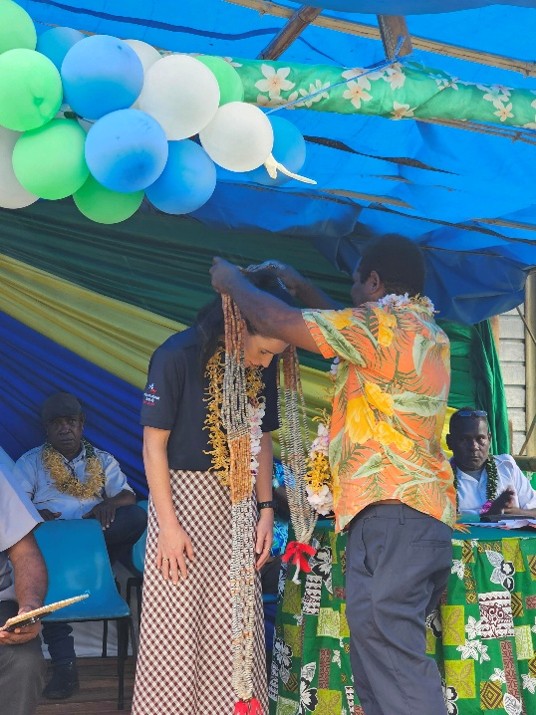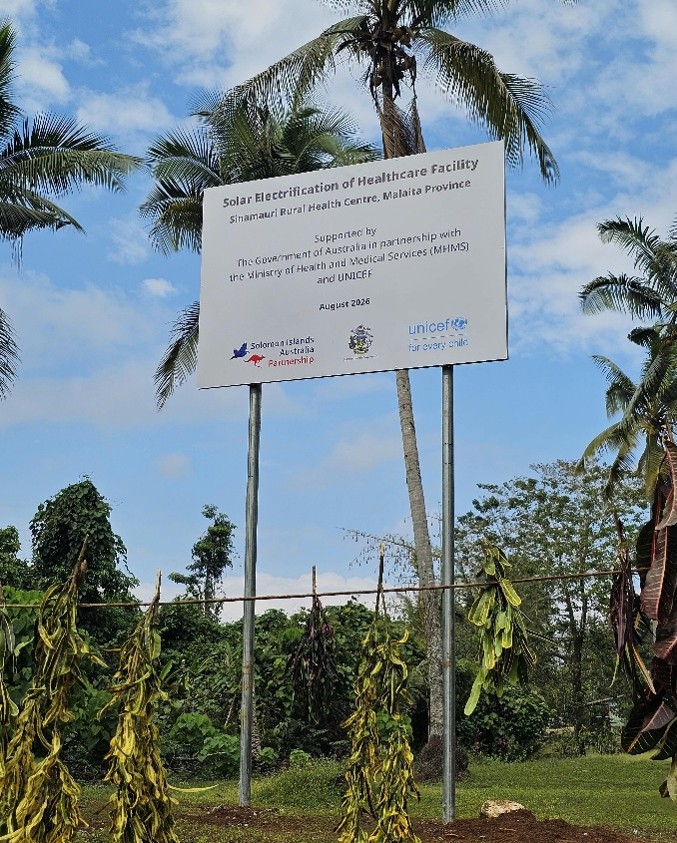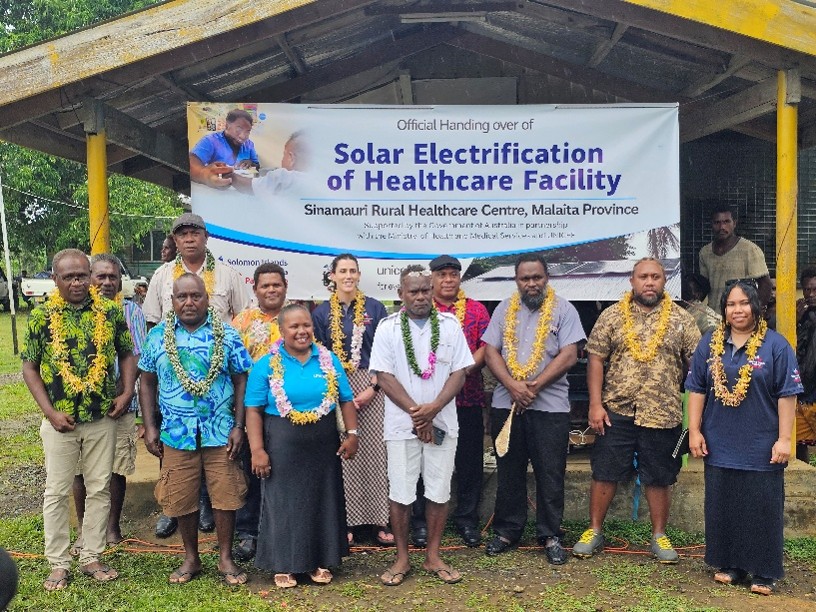
Representatives from MHMS, Australia, UNICEF and the Malaita Provincial Government with health workers and community members at the handover of solar power systems at Sinamauri Rural Health Centre, Malaita Province.
Seven Malaita Clinics Gain Reliable Solar Power
14 SEPTEMBER 2026
Thousands of people across Malaita Province will benefit from more reliable health services thanks to new solar power systems installed at seven health clinics through a partnership between the Solomon Islands Government, Australia and UNICEF.
For many rural clinics, unreliable electricity has limited the delivery of essential health services. The new solar systems will provide a dependable source of power, helping health workers deliver safer, more consistent care while maintaining critical medical equipment and services.
The facilities are in areas where access to reliable power has often been a challenge. The seven facilities supported under the program are Ata’a Nure Aid Post, Kwailabesi Rural Health Centre, Malu’u Area Health Centre, Rafufu Nurse Aid Post, Lesiala Nurse Aid Post, Rohinari Rural Health Centre and Sinamauri Rural Health Centre.
Together, these facilities provide essential healthcare services to thousands of people living in rural and remote communities across Malaita Province. Reliable electricity will support vaccine cold chain equipment, maternal and newborn care, child health services, outpatient care and emergency response services. The solar power systems will also help facilities continue operating during power disruptions while reducing dependence on costly fuel-based energy sources.
Honourable Elijah Asilaua, Premier of Malaita Province, said the investment would improve access to quality healthcare for rural communities, particularly mothers, newborns and children.
“Reliable power is fundamental to quality healthcare,” said Premier Asilaua.
“This investment will strengthen services for mothers, newborns and children, support lifesaving health interventions, and help ensure people in remote communities can access safer and more reliable care.”
Australian High Commissioner Jeff Roach said reliable electricity will help clinics provide more consistent care for communities across Malaita.
“Health workers do an incredible job serving communities across Malaita, often in challenging conditions. Reliable power helps them do their jobs and care for patients safely,” said High Commissioner Roach.
“Australia is pleased to work alongside the Solomon Islands Government, UNICEF and local communities to support stronger health services across the province.”
Representing the West Kwaio Constituency, the Constituency Development Officer said the solar power systems would make a meaningful difference for families who rely on local health services.
“Reliable electricity is not a luxury in our rural health facilities. It is essential for maternal and child health, immunisation, vaccine storage, emergency care and the day-to-day delivery of quality health services.”
Dr David Danitofea, Provincial Health Director for Malaita, said the project would strengthen healthcare delivery across the province.
“The solar systems we receive today will strengthen service delivery, improve working conditions for our health workers, and ensure that essential equipment, vaccines and lifesaving services can operate effectively every day.”
“The successful implementation of this project demonstrates the transformative impact that solar electrification can have on healthcare delivery. It is our hope that this success will provide a platform for expanding similar support to more health facilities across Malaita Province in the future.”
The handover ceremony was held at Sinamauri Rural Health Centre in West Kwaio and brought together representatives from the Ministry of Health and Medical Services, Australia, UNICEF, provincial authorities, constituency representatives, community leaders, health workers and community members.
Through the Solomon Islands-Australia Partnership, Australia is helping strengthen primary healthcare services across Malaita by providing clinics with reliable, renewable energy to support patients care, medical equipment and health works delivering services in their communities.
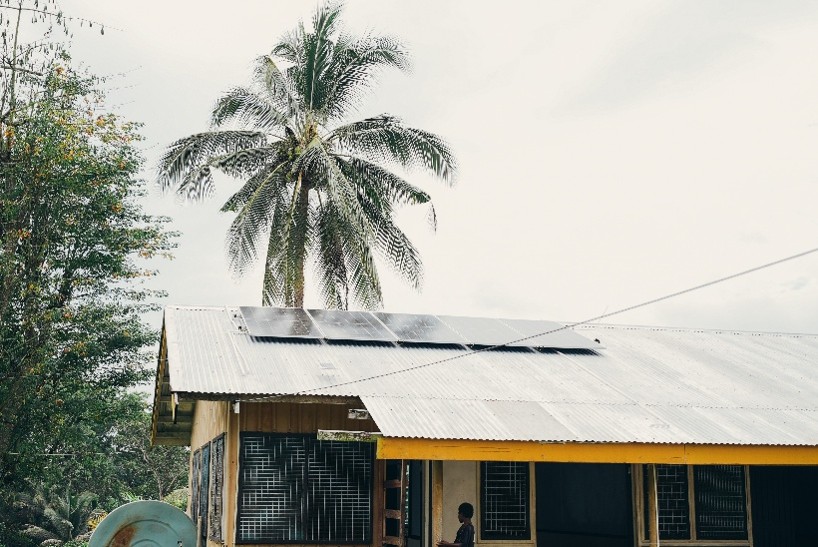
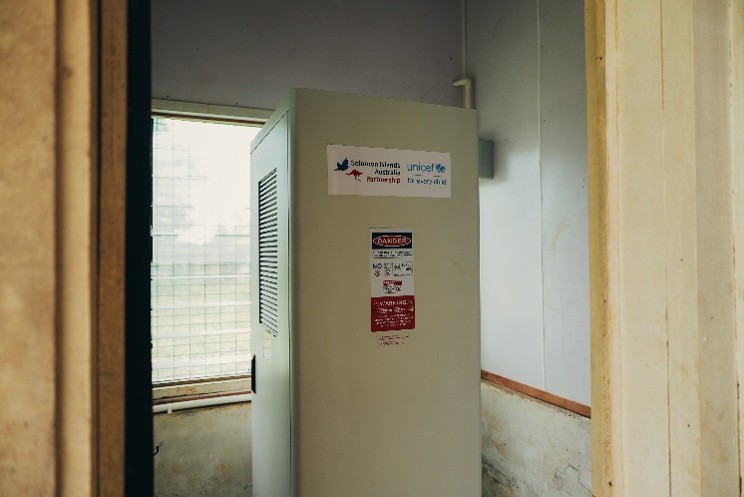
Solar power infrastructure installed at Sinamauri Rural Health Centre will support more reliable health services for surrounding communities.
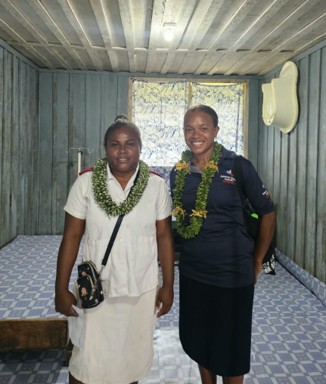
Nurse in charge at Sinamauri showing the facility to the deligation.