

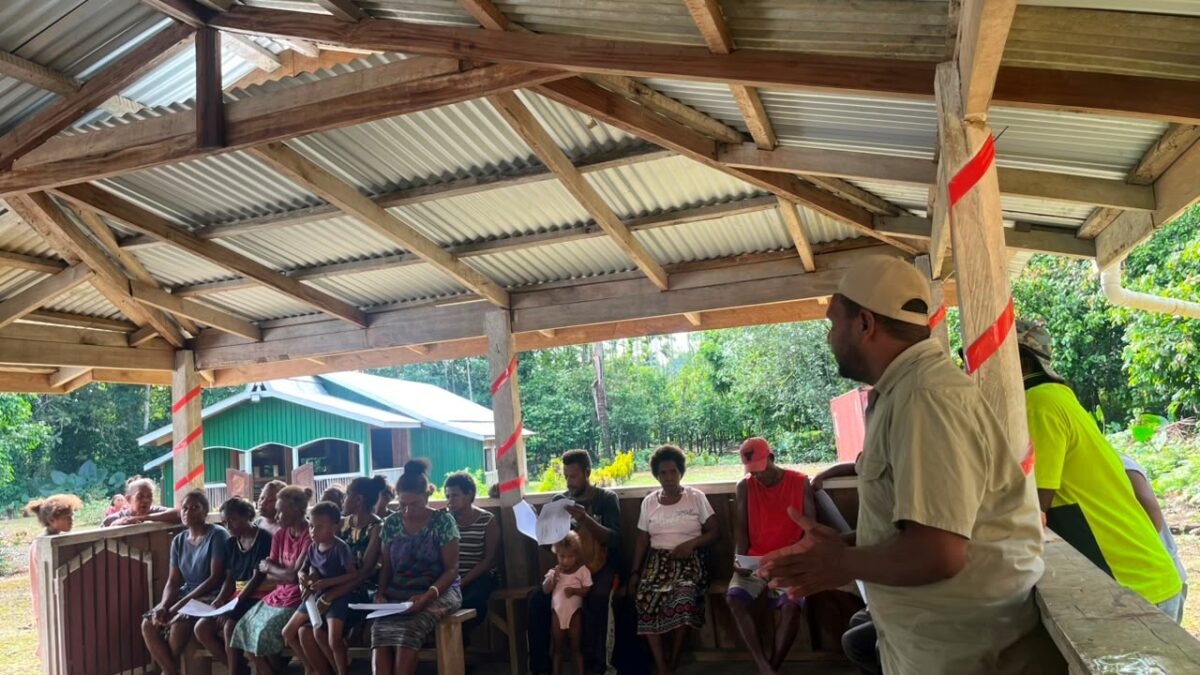
MID’s safeguards officer Joseph Gesiau during one of the community awareness along West Kwara’ae road corridor.
Malaita Road Improvement Projects Kick Off with Community Consultations
23rd July 2026
The Ministry of Infrastructure Development (MID), through the Second Solomon Islands Roads and Aviation Project (SIRAP2), with funding support from the World Bank, has mobilised a team to Malaita Province to commence community consultations and introduce contractors to communities ahead of major road improvement projects.
The joint team, comprised of representatives from MID’s Safeguards unit, the SIRAP2 Project Support Team, the construction supervision consultant (Egis), and the contractor, are currently on the ground undertaking stakeholder engagement activities. The team is meeting with provincial authorities, landowners, community leaders, and villagers along the project corridors to share information about the upcoming works, implementation timelines, environmental and social safeguards, traffic management arrangements, and opportunities for casual jobs during the construction phase.
Following a competitive procurement process, the internationally renowned China Civil Engineering Construction Corporation (CCECC) has been awarded the contract for the north-bound main road trunk traversing the West Kwara’ae region to undertake Double Bituminous Surface Treatment (DBST) sealing works on the first 12 kilometres from the Gwaunaru’u Airfield Junction to Kwaisuliniu.
While locally owned Trades Transformation Company (TTC) was awarded the contract for the East Malaita road (21 km from Baratolo to Atori), it will carry out regravelling of the pavement, concreting of steep sections where necessary and improving the drainage system to withstand heavy rainfall eroding the road foundation, as experienced in recent years brought about by climate change.
The road improvement works form part of the Solomon Islands government’s ongoing commitment to strengthening transport infrastructure and improving connectivity throughout the country. Once completed, the improved road network is expected to reduce travel times, lower vehicle operating costs, enhance road safety, and improve all-weather access to markets, schools, health facilities, government services, and other essential services. These works are expected to create employment and business opportunities for rural communities.
Acting Permanent Secretary of MID, Mike Qaqara, emphasised that there will be a series of consultations for communities along these roads.
“These community awareness programmes ensure project safety, minimise disruptions, and gauge local feedback and support.
“Engaging directly with our rural communities before heavy machinery rolls onto the site is part of the initial stages for major projects like this one, which also contribute to its success in months to come,” said Mr Qaqara.
He adds, “Introducing the contractor, sharing construction schedules and explaining traffic management, environmental safeguards and job opportunities directly to village leaders builds trust and ownership.
He further adds, “Community Advisory Committees will be set up in this process to act as focal points during the construction and empower the community leaders of West Kwara’ae and East Malaita.”
Consultation for East Malaita communities will also be carried out in the coming weeks.
Beyond these road improvement projects in Malaita, SIRAP2 continues to support broader investments in land and aviation transport networks for other provinces.
-ends-
Photos
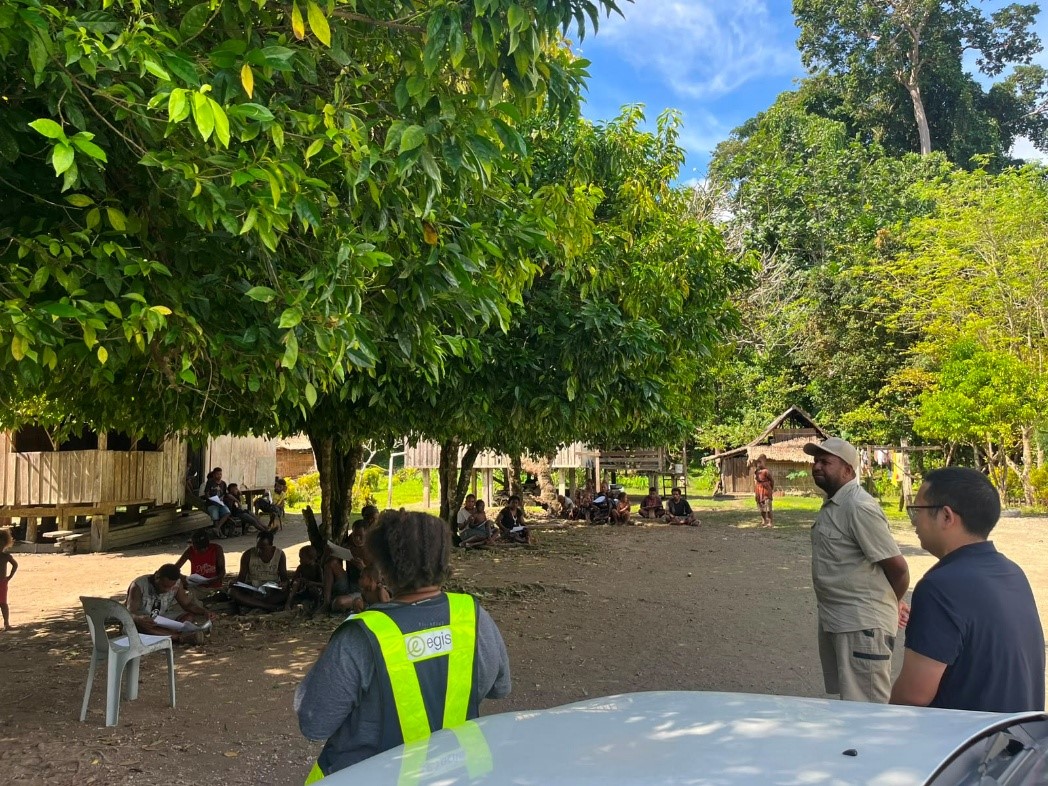
The awareness covers communities of Fote and Karasi which the road improvement will traverse.
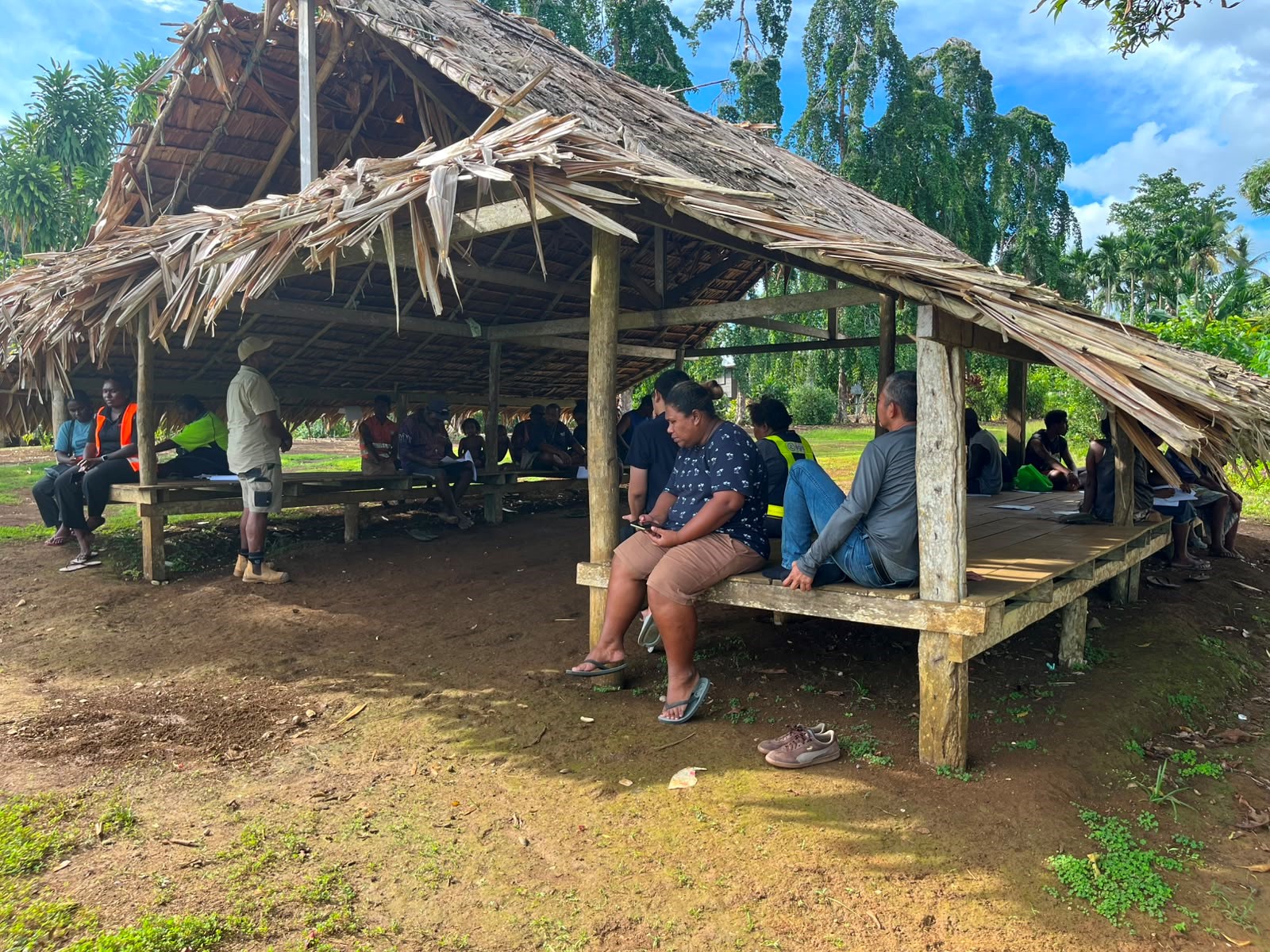
The team comprised of representatives from MID’s Safeguards unit, the SIRAP2 Project Support Team, the construction supervision consultant (Egis), and the contractor, China Civil Engineering Construction Corporation.
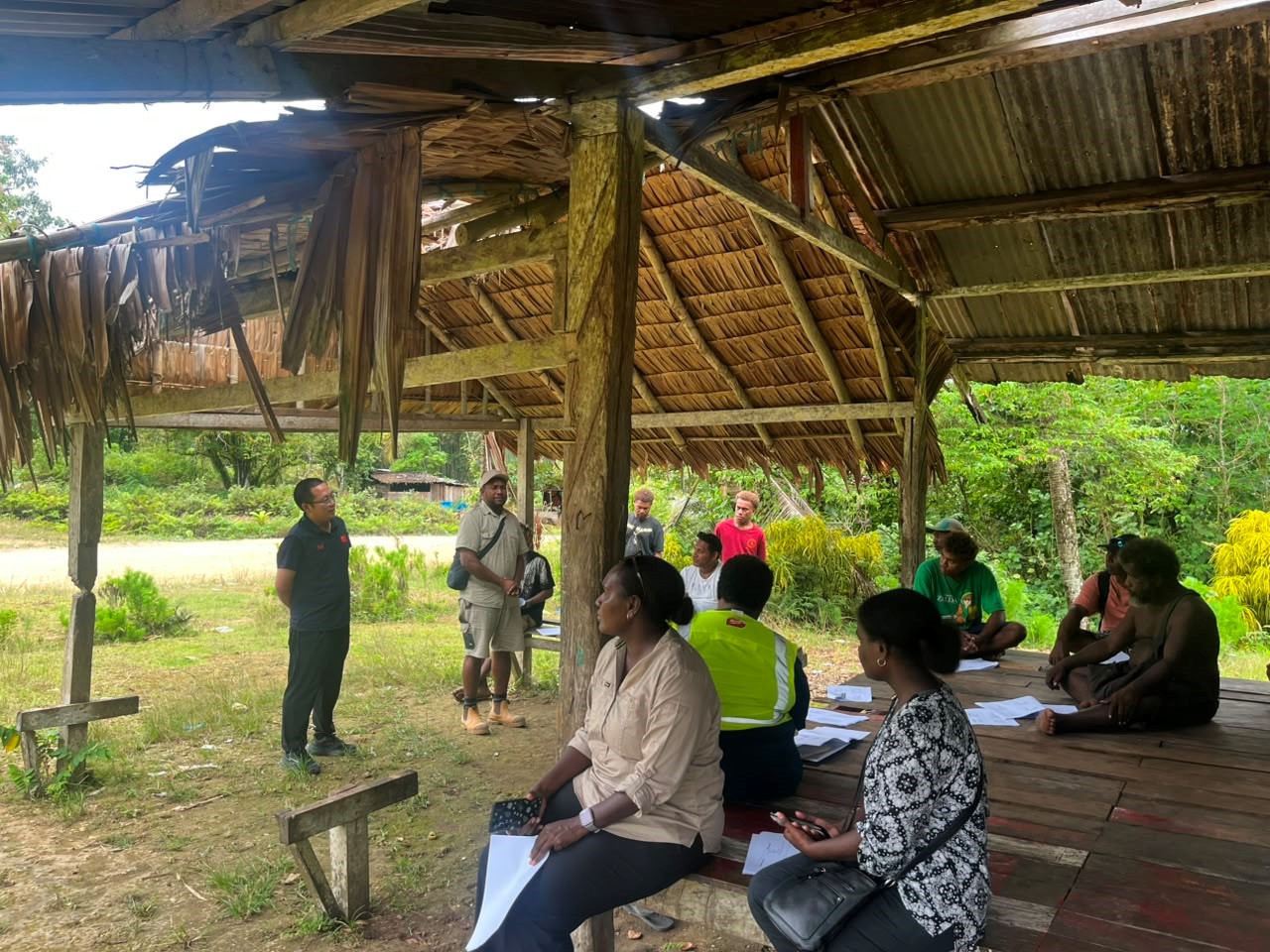
Community consultations have been successful for Kwaisuliniu & Bubuilangi communities.
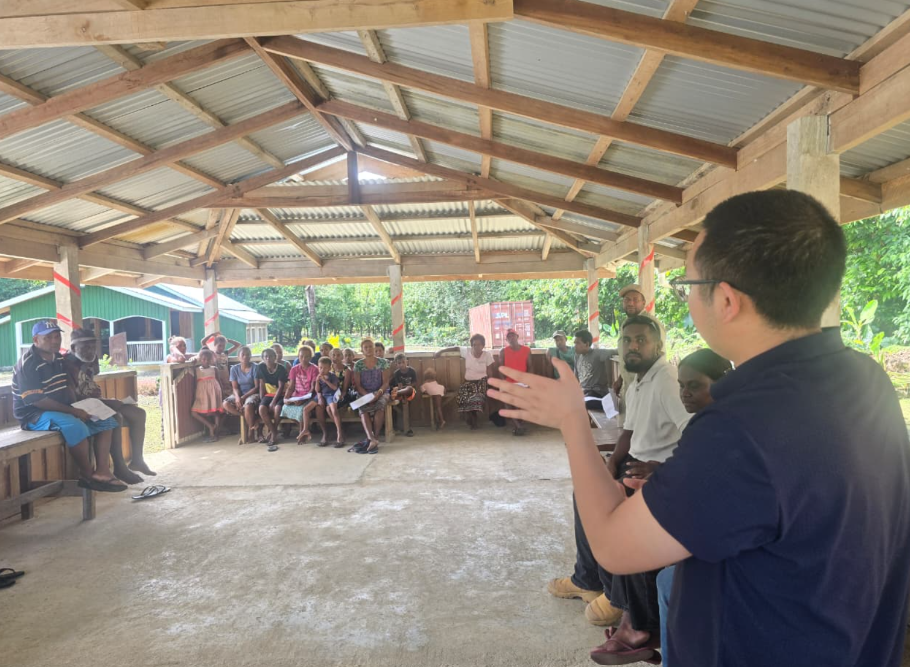
Introducing the contractor, sharing construction schedules, explaining traffic management, environmental safeguards and job opportunities directly to village leaders builds trust and ownership.