

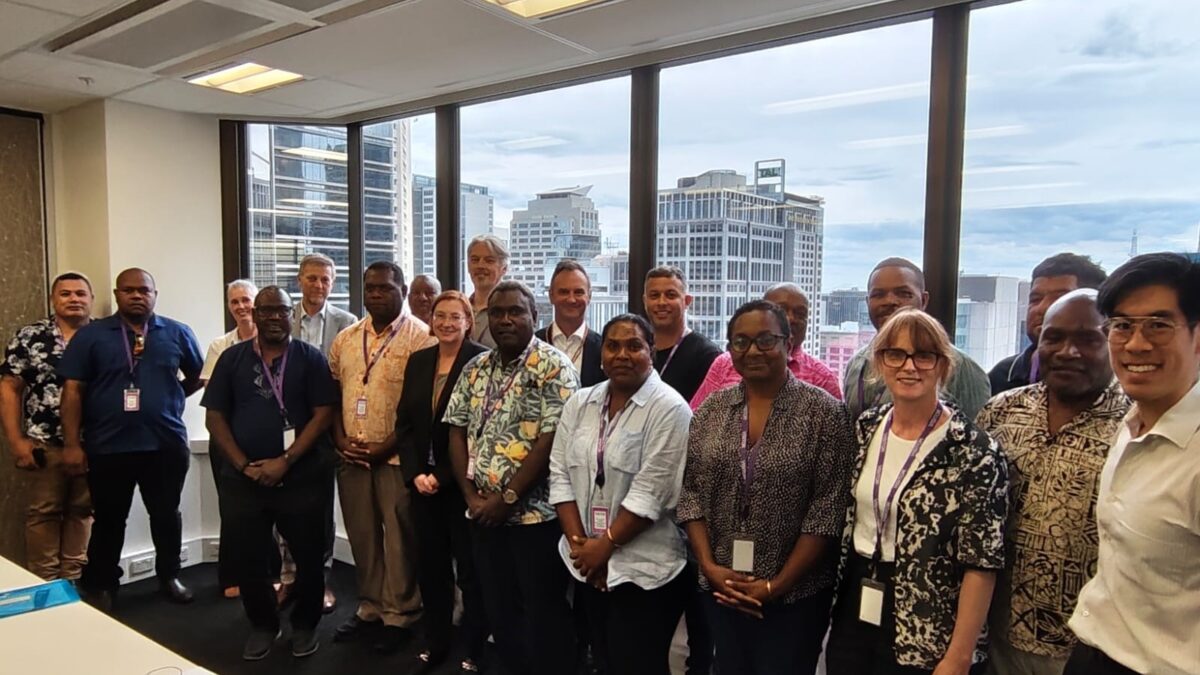
The high-level delegation led by three Solomon Islands Permanent Secretaries and industry representatives, met with key NSW government agencies on day one of the study tour.
From “First Bite” to lasting benefits
Solomon Islands delegation turns study tour lessons into a pathway for local content and Indigenous procurement reform
| A Sydney study tour has helped Solomon Islands leaders identify practical ways to use government procurement to grow local businesses, create jobs and build the skills needed to deliver more of the country’s development. |
The Solomon Islands Government is advancing its commitment to place Solomon Islanders at the centre of national economic development. In October 2026, a delegation of government, business and education representatives visited Sydney to examine how public procurement can generate wider benefits through local employment, business participation, skills development and stronger domestic supply chains.
Supported by Australia through the Solomon Islands Infrastructure Program, the tour was designed to inform development of a national Local Content and Indigenous Procurement Policy. It directly supports the Government’s “First Bite, Better Bite” principle, which aims to give Solomon Islands-owned businesses, suppliers and workers priority access to government procurement and economic opportunities.
Learning from policy and practice
The delegation brought together officials from key ministries and the Office of the Prime Minister and Cabinet, alongside representatives from the Solomon Islands Chamber of Commerce and Industry, Solomon Islands National University and local businesses. Three Permanent Secretaries joined the delegation, reflecting the importance of a coordinated approach across government, industry and education.
Across four days of engagements, delegates met NSW Treasury, Infrastructure NSW, Sydney Metro, Transport for NSW, the NSW Indigenous Chamber of Commerce, the Aboriginal Housing Company, Western Sydney University, Indigenous businesses, industry organisations and major infrastructure contractors. The program also included visits to project and training facilities.
Discussions showed how procurement can be used as a strategic development tool. Delegates examined approaches that connect major contracts with local supplier participation, apprenticeships, workforce training, women’s participation and Indigenous business opportunities. They also considered the role of intermediary organisations in verifying businesses, connecting suppliers to project opportunities and supporting firms to become tender-ready.
| “The goal is to ensure government investment creates economic benefit for Solomon Islands through the employment of local businesses and workers.” |
Key insights for Solomon Islands
A central lesson was that local participation does not happen automatically. Clear procurement rules must be matched by market information, realistic contract packaging, business development, access to finance, skills pathways and credible monitoring.
Delegates also reflected on the need for Solomon Islanders to move from being observers in the economy to becoming meaningful participants and owners of growth. Too much project expenditure currently leaves the country through overseas procurement, international contractors and imported labour. Retaining more value locally would strengthen businesses, create employment and build greater national resilience and self-reliance.
The tour reinforced that local content is not only about reserving work. It is about building the capability of Solomon Islands firms and workers to take on larger and more complex opportunities over time, while ensuring women, young people, customary landowners and other under-represented groups share in the benefits of development.
Turning lessons into action
The study tour concluded with a policy workshop on 16 October. Delegates used the week’s lessons and their knowledge of the Solomon Islands context to define policy objectives, scope, implementation measures and a pathway towards Cabinet consideration.
Participants agreed that the overall objective should be to convert government, State Owned Enterprise and development partner expenditure into sustained local business growth, employment, skills and sovereign delivery capability. Seven connected areas were identified: procurement and regulatory reform; local industry development and market visibility; capability and skills; contractor tiering and enterprise growth; Indigenous business support and finance; inclusive participation; and accountability and enforcement.
A significant outcome was agreement that the Ministry of Finance and Treasury should anchor the policy, reflecting its central responsibilities for procurement and financial management. The proposed process begins with establishing a cross-government task force, followed by policy drafting, consultation in Honiara, Auki and Gizo, and submission to Cabinet by the end of April 2027.
The tour has provided a practical foundation for reform and built shared understanding across government, business and education. Its message is clear: every public investment should do more than deliver an asset. With the right rules, partnerships and accountability, it can also grow Solomon Islands businesses, equip people with lasting skills and keep more economic value within the country.
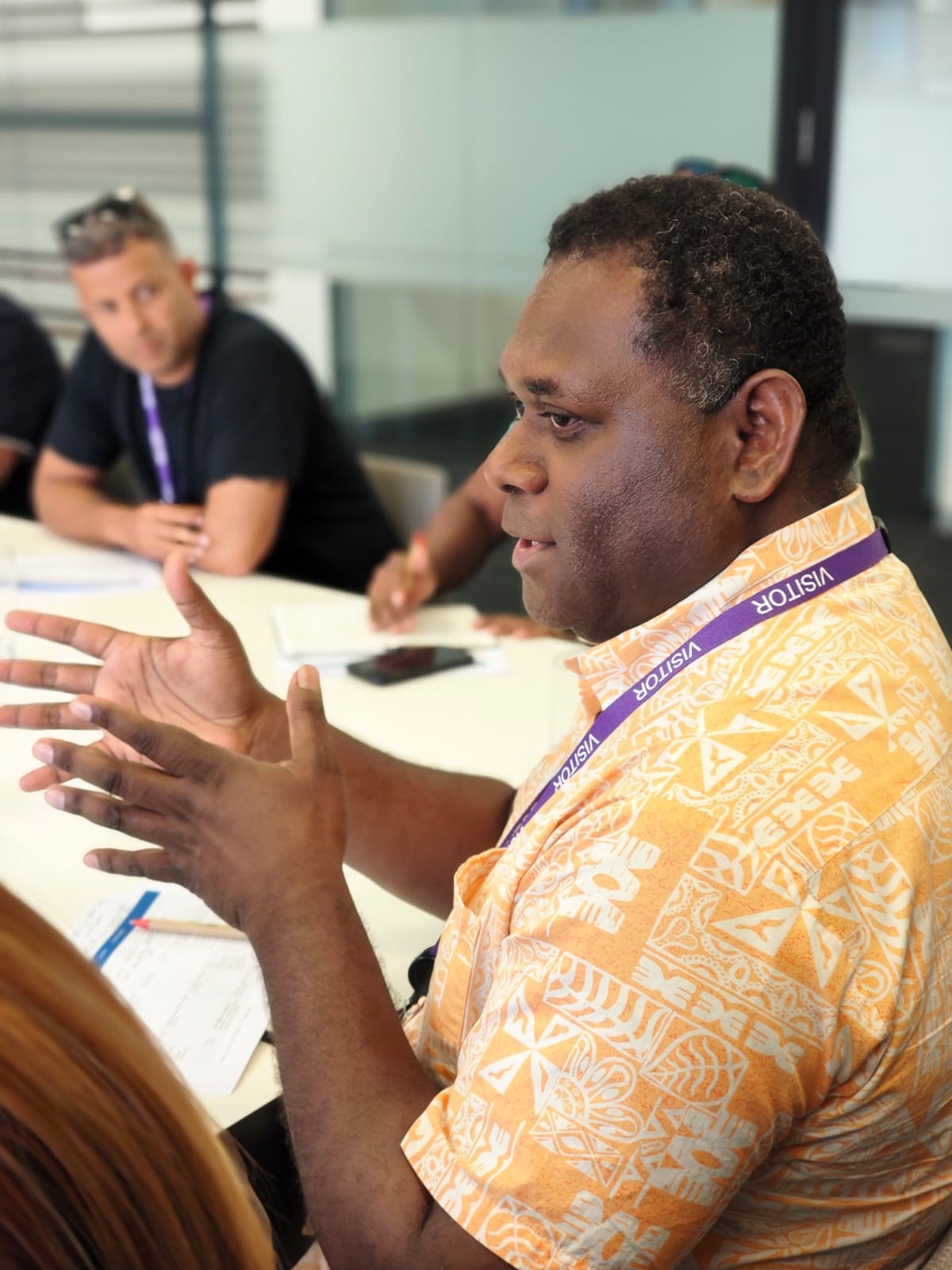
Permanent Secretary for National Planning and Development, Brian Lenga, said the government’s goal is to ensure that government investment creates economic benefit for Solomon Islands through employment of local businesses and workers.
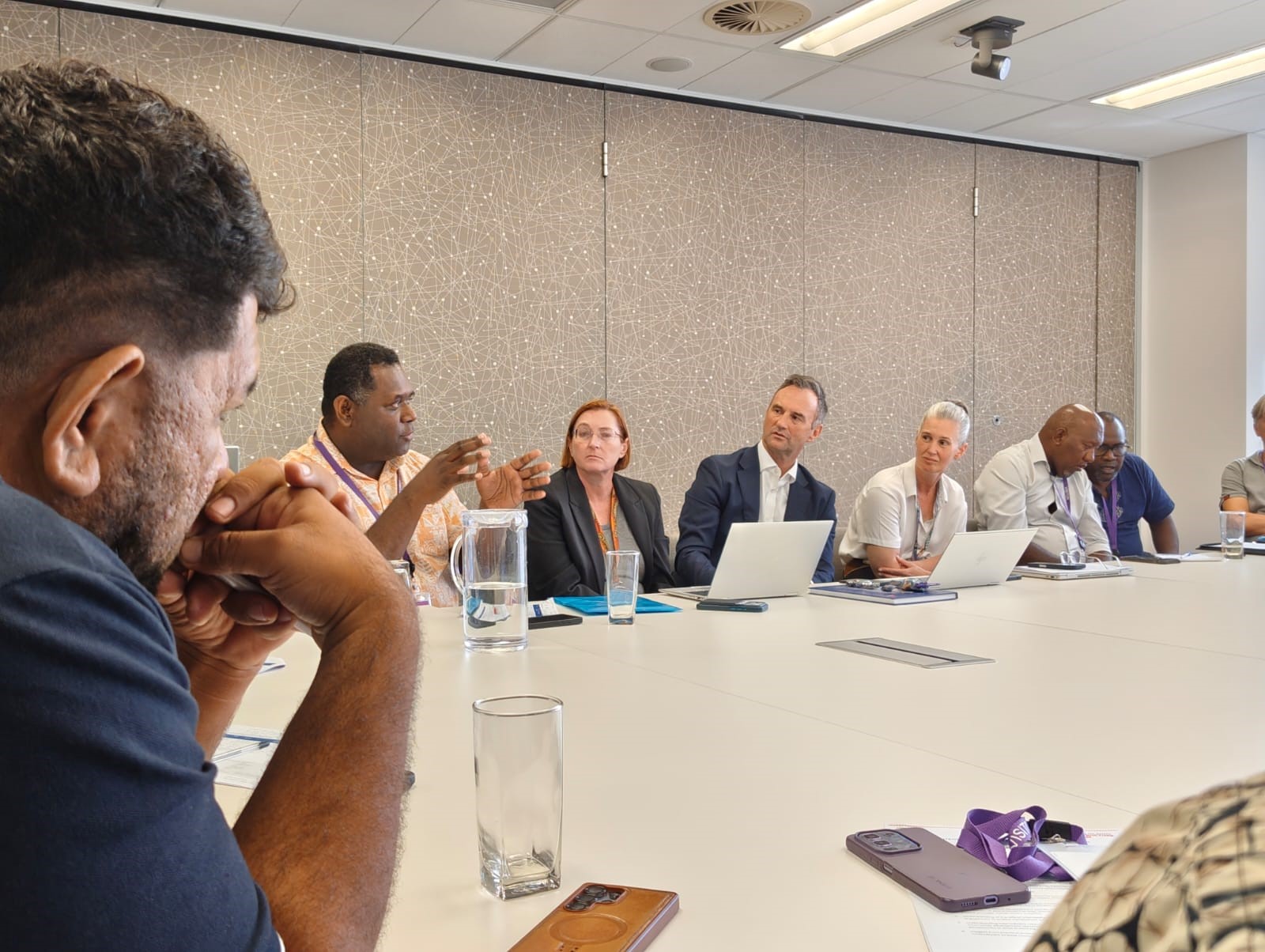
Solomon Islands is looking to implement the “First Bite, Better Bite” principle, which aims to give Solomon Islands-owned businesses, suppliers and workers priority access to all government procurement opportunities.
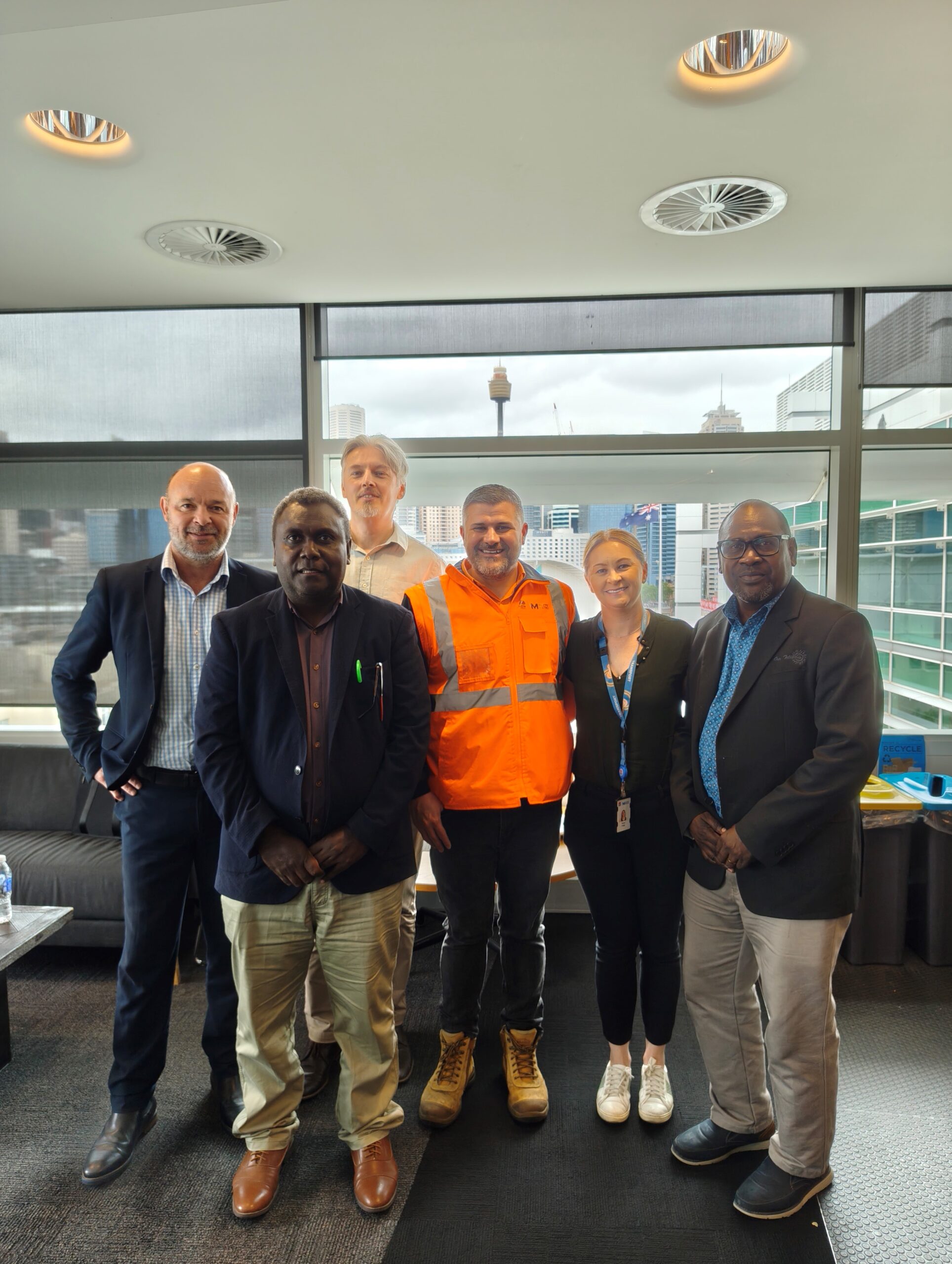
The delegation learnt how major infrastructure projects like Sydney Metro put policy into practice to support local SMEs, employment and training outcomes.
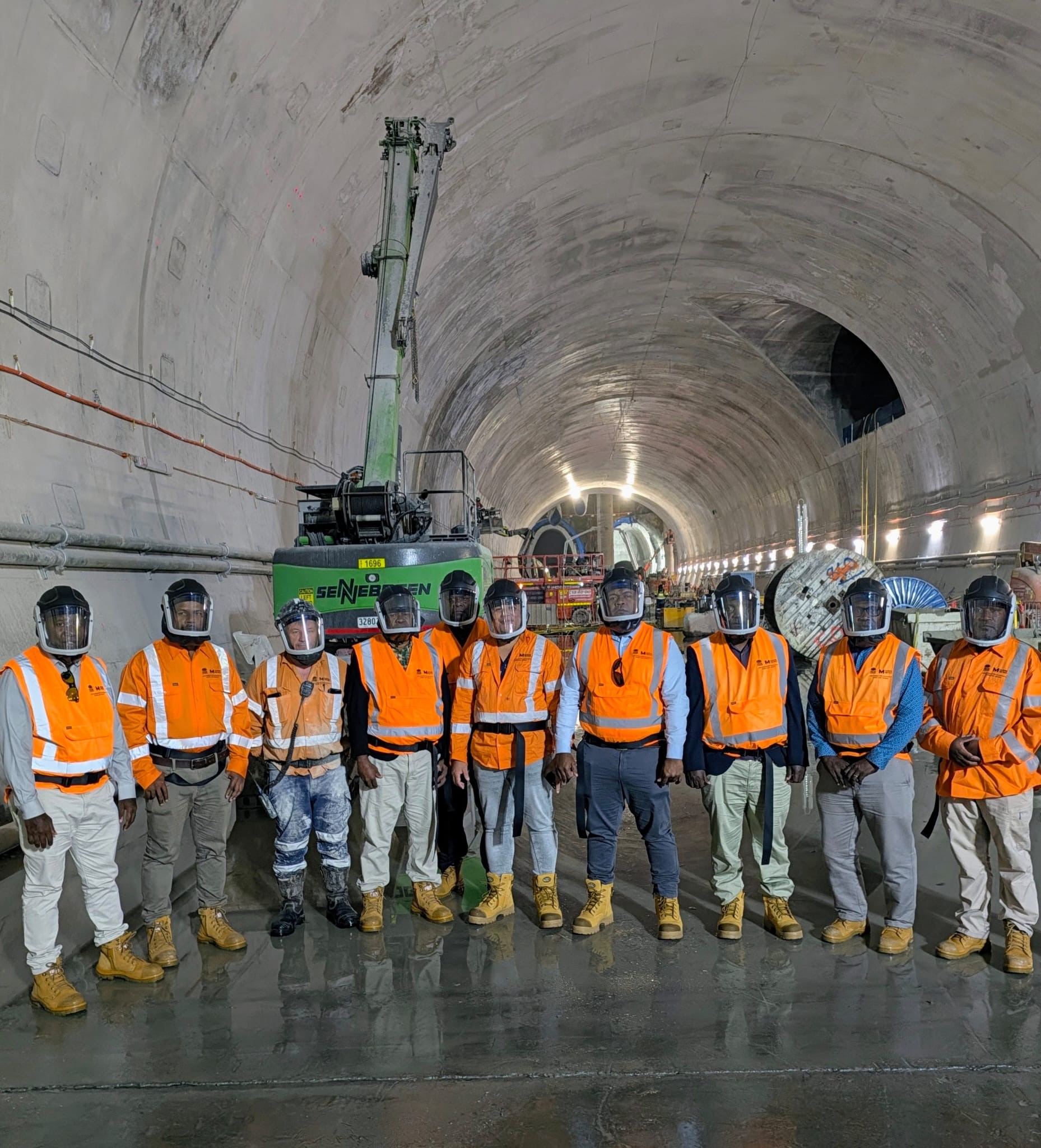
Members of the delegation visited Sydney Metro’s Pyrmont Station construction site 35 metres below ground.
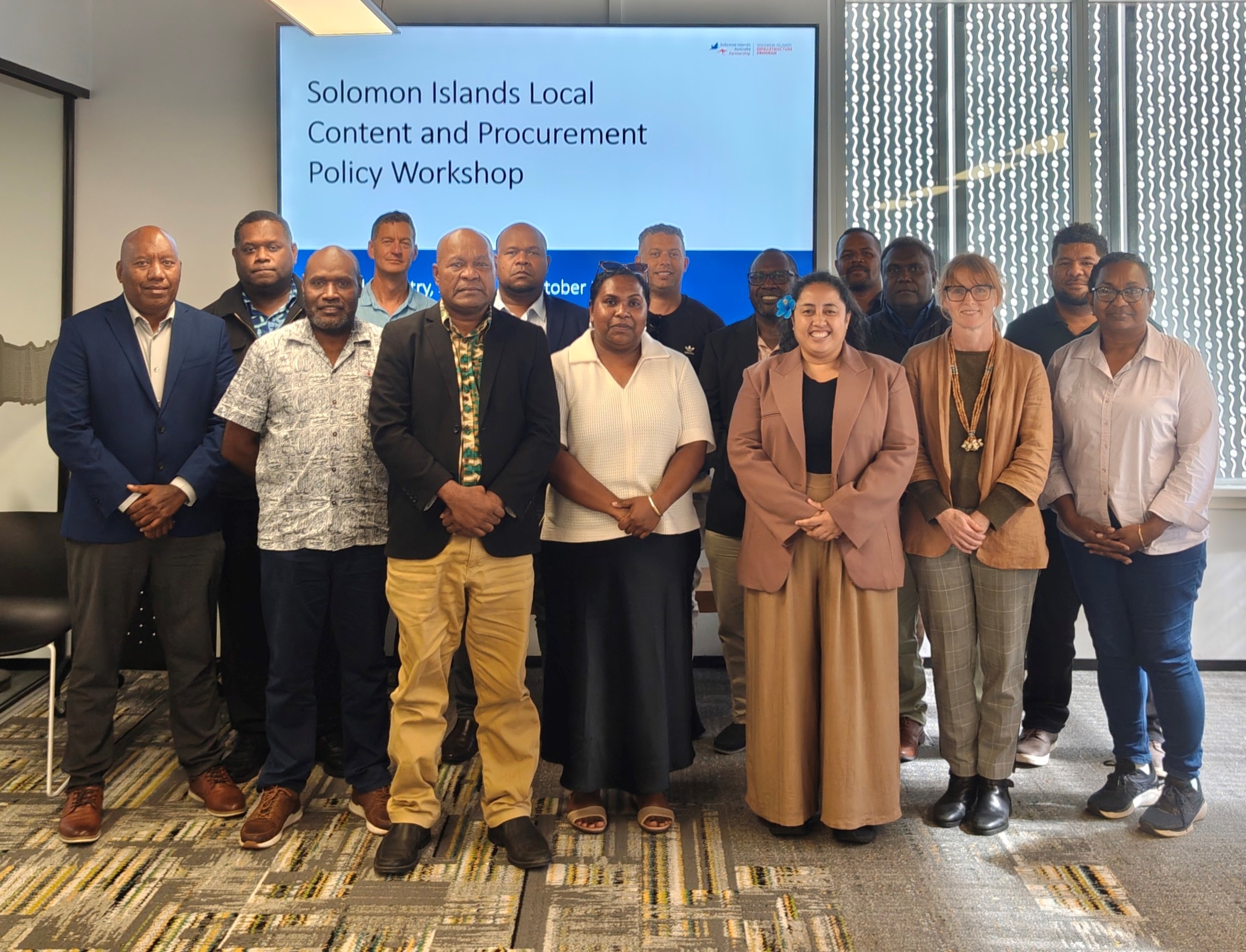
The delegation consolidated the insights and lessons from the engagements and commenced working on a policy framework and action plan with the goal of having the Policy approved by Cabinet in the first half of 2027.