

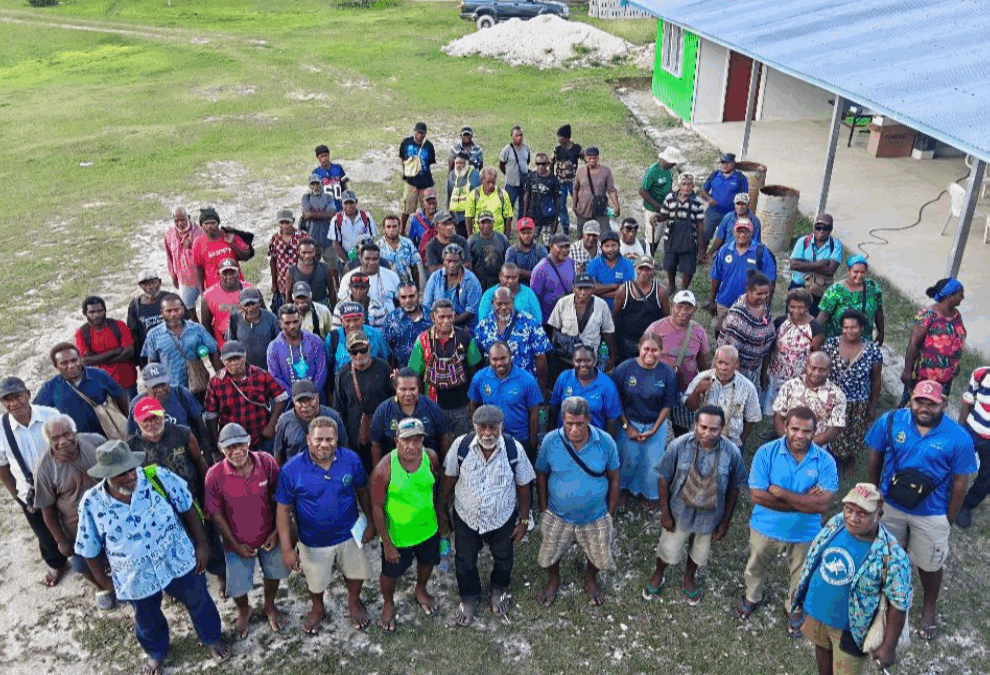
A group photo of participants in ward 7 at Arnon Atomea Provincial Secondary School
CUSTOMARY LAND RECORDING AWARENESS HELD IN MALAITA PROVINCE
Tribal Land recording team consults tribal chiefs, community and church leaders on the land recording process
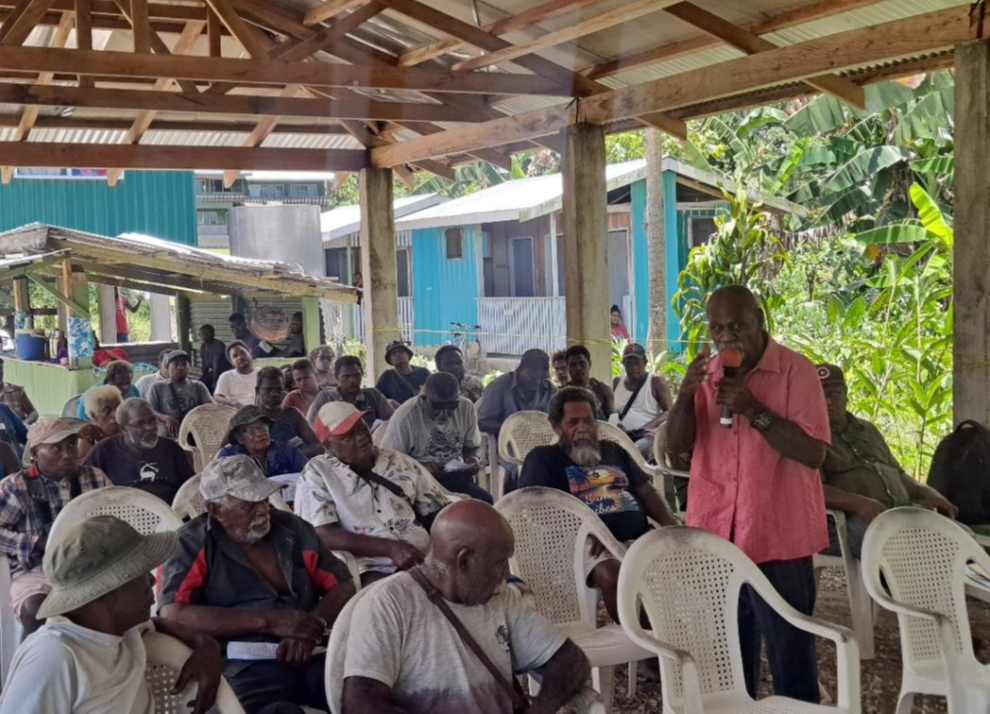
Speaking during the awareness, Chief John Andrew Kiri, at Musukui
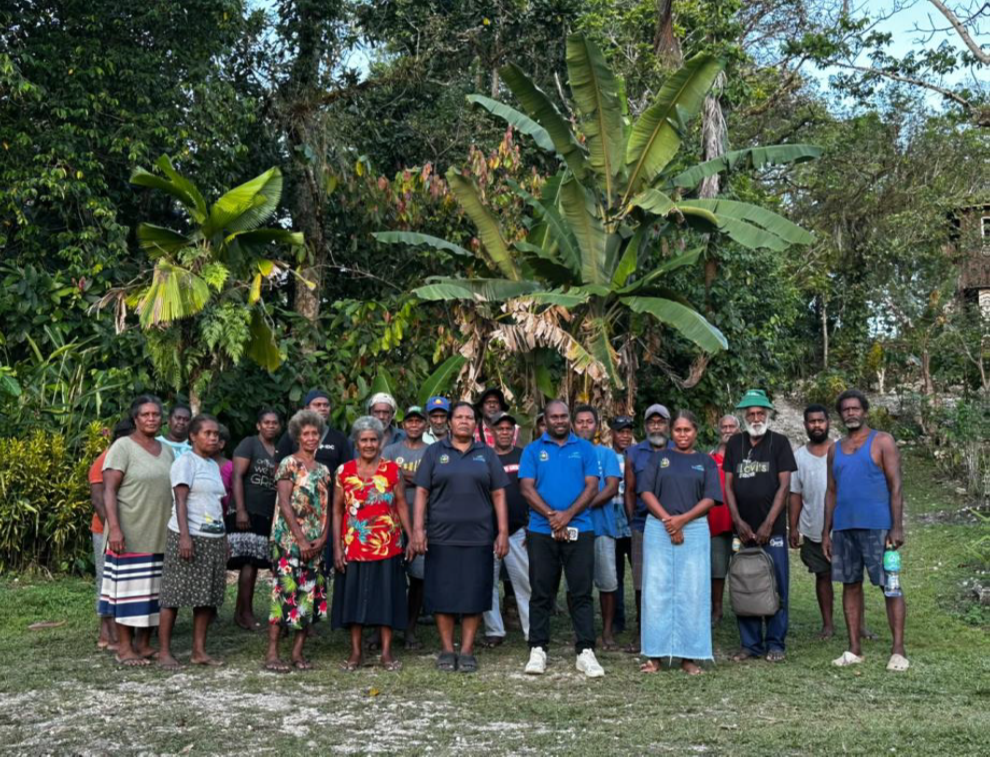
Some of the participants at Ura Community, Central Kwara’ ae
A week-long customary land recording awareness and consultation programme has been carried out in parts of Malaita Province by a team from the Tribal Land Recording Division of the Ministry of Lands, Housing and Survey. The programme aimed to improve community understanding of customary land recording, explain the steps involved and encourage informed participation by customary landholding groups and their representatives.
The awareness programme forms part of wider efforts to strengthen understanding of customary land rights and improve the way information about tribal landholding groups is documented. For communities across Solomon Islands, customary land is closely connected to identity, family history, culture, livelihoods and obligations passed down through generations. Making sure that information is carefully gathered and understood by the people concerned is therefore an important part of the recording process.
The ministry team visited Wards 7 and 8 in North Malaita Constituency, where awareness and consultation meetings were held at Arnon Atomea Provincial Secondary School and Musukui Community Hall. Tribal leaders and church leaders from different tribes and communities attended the sessions. Participants from neighbouring Wards 6 and 9 also joined the discussions, providing an opportunity for information to be shared beyond the immediate host communities.
The team also conducted visits in central Kwara’ae, including Wards 29 and 30 of Central Kwara’ae Constituency. Meetings were held at Maoro Community High School and in Ura community. The sessions gave tribal members, including women and young people an opportunity to hear about the process, raise questions and share their views on issues affecting their customary lands.
During the presentations, the team discussed how customary land recording is carried out and why accurate information about tribal landholding groups is important. Topics included documenting information about landholding groups, understanding customary ownership and rights after recording, and the roles and responsibilities of chiefs, tribal leaders and church leaders in supporting community awareness and consultation.
The discussions also highlighted the need for communities to take time to check information before it is finalised. Relevant members of the customary landholding group should have an opportunity to clarify names, relationships, customary rights and other details that may be recorded. Where there are different views about boundaries, rights or membership of a landholding group, these matters require careful consultation and should be handled through the appropriate processes.
Customary land recording is more than the collection of names and information. It depends on clear communication, community participation and careful documentation. Awareness meetings help people understand what information is being gathered, why it is needed and how it may be used in the recording process.
They also provide space for community members to ask questions and seek clarification before they make decisions or provide information.
The involvement of chiefs, tribal leaders, church leaders and other community representatives is important because they can help communicate accurate information and encourage respectful discussion. At the same time, consultation should be inclusive and give affected community members a fair opportunity to contribute. Women, young people and other members of the community should be able to understand the process and raise concerns where necessary.
Clear records may help customary landholding groups preserve important information and improve understanding of their customary rights and responsibilities. They may also support efforts to prevent or address disagreements by making the information and process clearer. However, recording alone does not automatically resolve every land dispute or settle all questions of ownership. Any disagreement must still be considered through the relevant consultation and legal or administrative processes.
The response from the communities visited was described as positive. Participants reportedly appreciated the awareness programme and called for consultations to be extended to more tribes and communities. This feedback underlines the importance of continuing to share information widely so that customary landholding groups can understand the process and participate in discussions that affect them.
Wider awareness can also help reduce misunderstandings by giving communities a clearer picture of the purpose of land recording, the information required and the importance of checking details carefully. Continued engagement with communities will be important to ensure that information is understood, questions are addressed and the process is carried out with appropriate consultation.
The programme highlights the importance of cooperation between the Ministry of Lands, Housing and Survey, customary landholding groups and community leaders. Effective customary land recording requires clear explanations, careful record-keeping and opportunities for communities to participate meaningfully.
The Tribal Land Recording Division will continue its awareness and consultation activities in other communities as part of its ongoing land recording work. Continued engagement is expected to help strengthen public understanding of the process and support informed community participation in customary land recording across Malaita Province.