


Upskilling Rural Trades Workers in Arosi 1: Building Skills and Empowering Communities
A transformative upskilling training program focusing on building construction was successfully conducted at Heuru Primary School in Arosi 1, Makira Province. The training which began from Wednesday 28th May to Thursday 5th June 2025 was organized by the National Trades, Training, Testing & Certification Unit, Labour Division, MCILI in collaboration with local stakeholders, drew 43 participants from surrounding villages—most of whom are involved in the building and construction trades.
The 10-day hands-on training was designed to equip rural workers with modern techniques in construction, safety, and sustainable building practices. Participants engaged in practical sessions that included carpentry, masonry, roofing, safety and basic project planning. Facilitators emphasized quality standards, safety protocols, and skills that are directly applicable to village infrastructure needs.
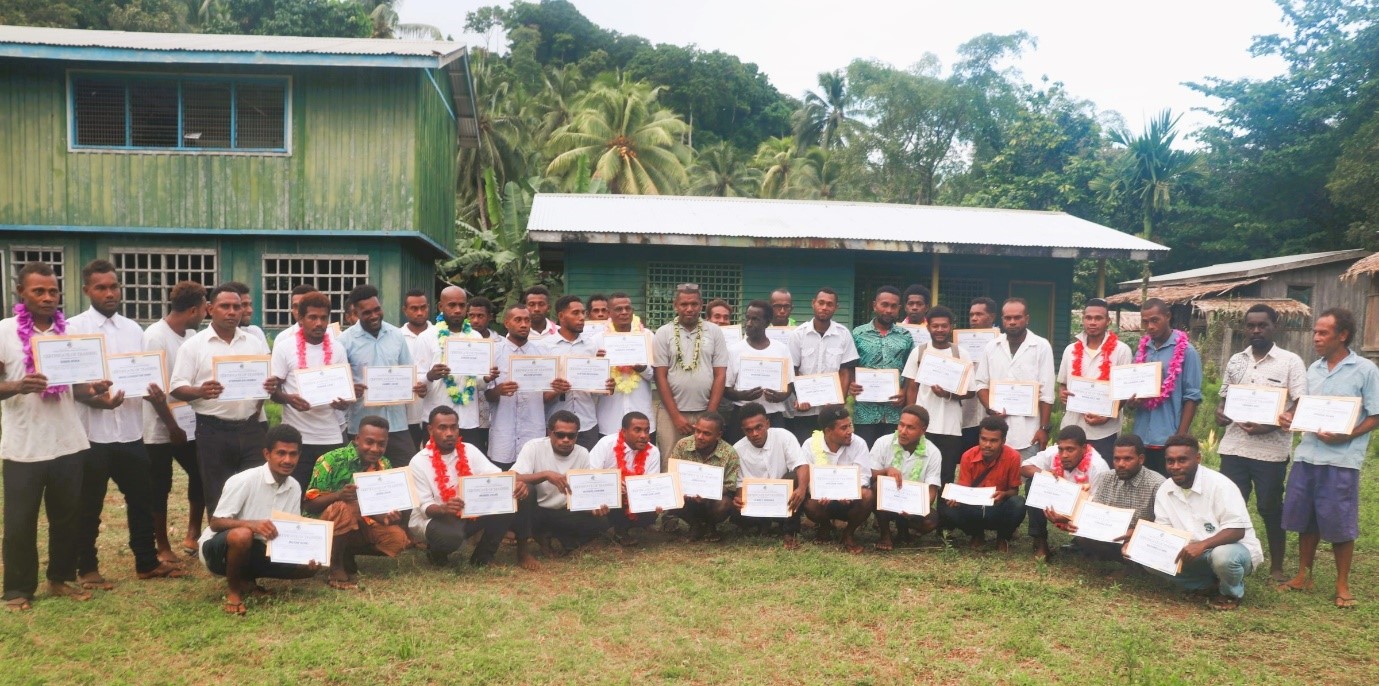
Figure 1: Training Facilitator and Participants with their Certificates
One of the village chiefs who attended the opening and closing ceremonies expressed deep appreciation for the initiative. “This is the first time many of our young men and women have received training of this kind,” he said. “It not only builds their skills but gives them confidence to contribute to their communities in meaningful ways.”
Other community representatives echoed this sentiment, expressing heartfelt thanks to the Ministry of Commerce Industries Labour and Immigration for recognizing the potential and needs of rural workers. “Too often, rural communities are left out when it comes to development opportunities. This training is a clear sign that we are not forgotten,” said a local youth leader who also took part in the training.
The event has sparked interest in further programs of this nature, with calls from participants and village leaders to expand similar trainings to other areas in the province.
Organizers reported high levels of engagement and satisfaction from the trainees, with many already planning to apply their new skills in local building projects, including community halls, homes, and school facilities.
This training marks a step forward not only in skill development but also in community empowerment and rural resilience through practical trades education.