

Solomon Islands Welcomes COSPPac3 Meeting, Highlights Program’s Vital Role in Climate Resilience and Pacific Leadership
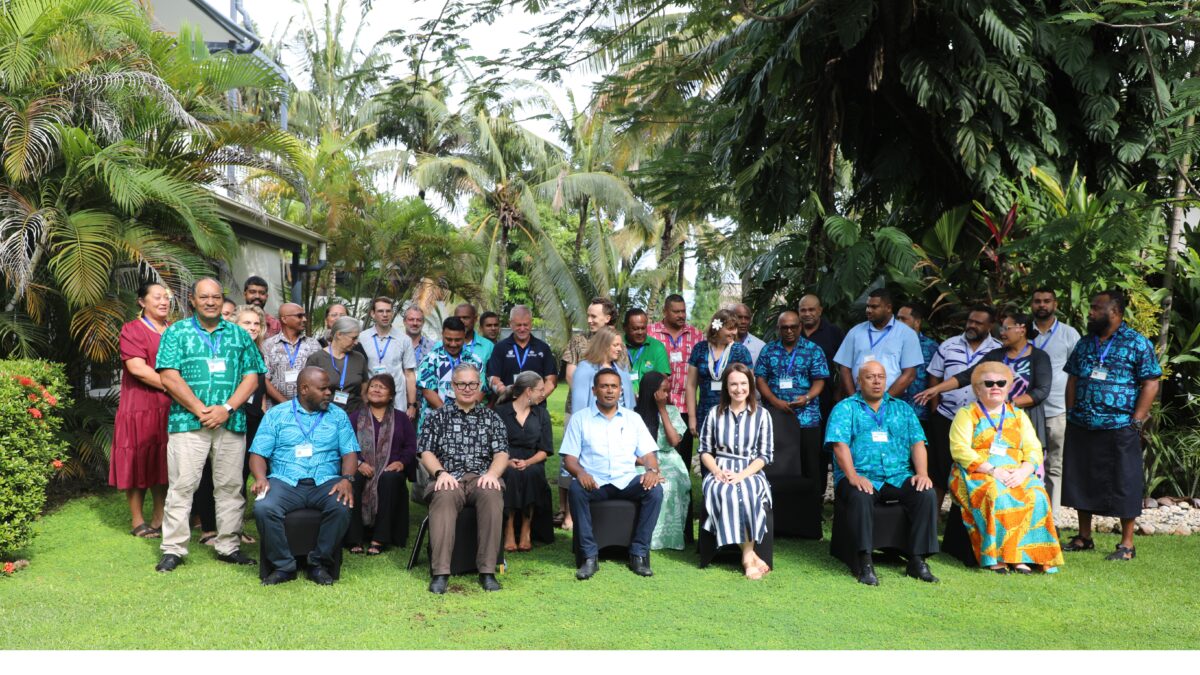
HONIARA, SOLOMON ISLANDS – 12 May 2025 – The Ministry of Environment, Climate Change, Disaster Management, and Meteorology (MECDM) of the Solomon Islands Government today welcomed delegates to Honiara for the third annual meeting of the Climate and Oceans Support Program in the Pacific (COSPPac3), held from 12 to 16 May 2025 at the Heritage Park Hotel.
Speaking at the opening of the meeting, Mr. Karl Kuper, Permanent Secretary (Supervising) of MECDM, extended a warm welcome to all participants, including representatives from the Department of Foreign Affairs and Trade (DFAT) and the New Zealand Ministry of Foreign Affairs and Trade (MFAT) as Co-Chairs, the Chair of the Pacific Meteorological Council (PMC), the Chair and members of the Pacific Geospatial and Surveying Council (PGSC), colleagues from National Meteorological Services, the Solomon Islands Meteorological Service (SIMS), representatives of the Pacific Disability Forum, implementing partners, and permanent observers.
Mr. Kuper described the annual meeting as “more than a gathering of partners — it is a platform for shared reflection, learning, and renewed commitment”. He highlighted that the meeting serves not only to showcase COSPPac’s achievements but also to critically assess challenges and strengthen collaboration for more effective climate and ocean governance in the region.
He specifically congratulated the Solomon Islands Meteorological Services (SIMS), part of MECDM, for their leadership in hosting both the COSPPac Ocean Science to Services Workshop in late 2024 and the current Steering Committee Meeting, underscoring the commitment of SIMS and the Solomon Islands Government to advancing regional climate and ocean resilience.
Mr. Kuper expressed sincere appreciation for COSPPac’s pivotal role in enhancing the delivery of climate and ocean services, particularly benefiting countries like the Solomon Islands. He noted that products and tools developed through the partnership, such as Malaclim, EAR Watch, and the Ocean Outlook, have become invaluable for the government’s decision-making and for communities.
The Permanent Secretary (Supervising) commended COSPPac for several key contributions in the area of Strengthening climate resilience across the Pacific, Introducing innovative services, including tailored seasonal and sub-seasonal forecasts, Bridging modern science with indigenous knowledge systems by integrating Traditional Knowledge into forecasting tools, Supporting regional climate leadership through forums like Ocean Climate Outlook Forums (OCOF), Pacific Island Climate Outlook Forums (PICOFs), and PMC panels, Enhancing disaster preparedness by aligning national policies with climate-informed strategies and actively promoting Gender Equality, Disability, and Social Inclusion (GEDSI) within meteorological services.
Mr. Kuper specifically recognized the valuable inclusion of the Pacific Disability Forum in COSPPac’s decision-making processes, stating it ensures that the voices, priorities, and rights of persons with disabilities are meaningfully reflected in collective climate work, which is an important step toward a more equitable future.
A significant point highlighted was the welcome transition in COSPPac Phase 3 toward Pacific-led governance. Mr. Kuper stressed that this shift is “critical” as it promotes local ownership, strengthens institutional sustainability, and ensures that services and solutions remain relevant and impactful in the long term.
He conveyed deep gratitude to partners from Australia and New Zealand for their continued investment in the program and their confidence in Pacific leadership. Looking ahead, Mr. Kuper called upon all partners to secure continued funding and support for COSPPac, emphasizing the ongoing need for investment in inclusive climate and ocean tools that reach even the most remote communities. He also highlighted COSPPac’s essential role in building technical capacity and strengthening national systems, urging that this momentum be maintained and expanded.
In closing, Mr. Kuper acknowledged the long-standing collaboration involving Australia, New Zealand, the Pacific Community (SPC), SPREP, and all regional meteorological partners since COSPPac’s inception in 2012. He reaffirmed the Solomon Islands Government’s commitment to climate resilience and to using COSPPac’s information and services to build a sustainable, secure future for all Pacific peoples.
Ends//