MFMR STRENGTHENS OBSERVER CAPACITY IN BIOLOGICAL SAMPLING
Honiara, 20 November 2026: The Ministry of Fisheries and Marine Resources (MFMR) is strengthening the technical capacity of its fisheries observers, debriefers and trainers through specialised training in biological sampling facilitated by the Pacific Community (SPC).
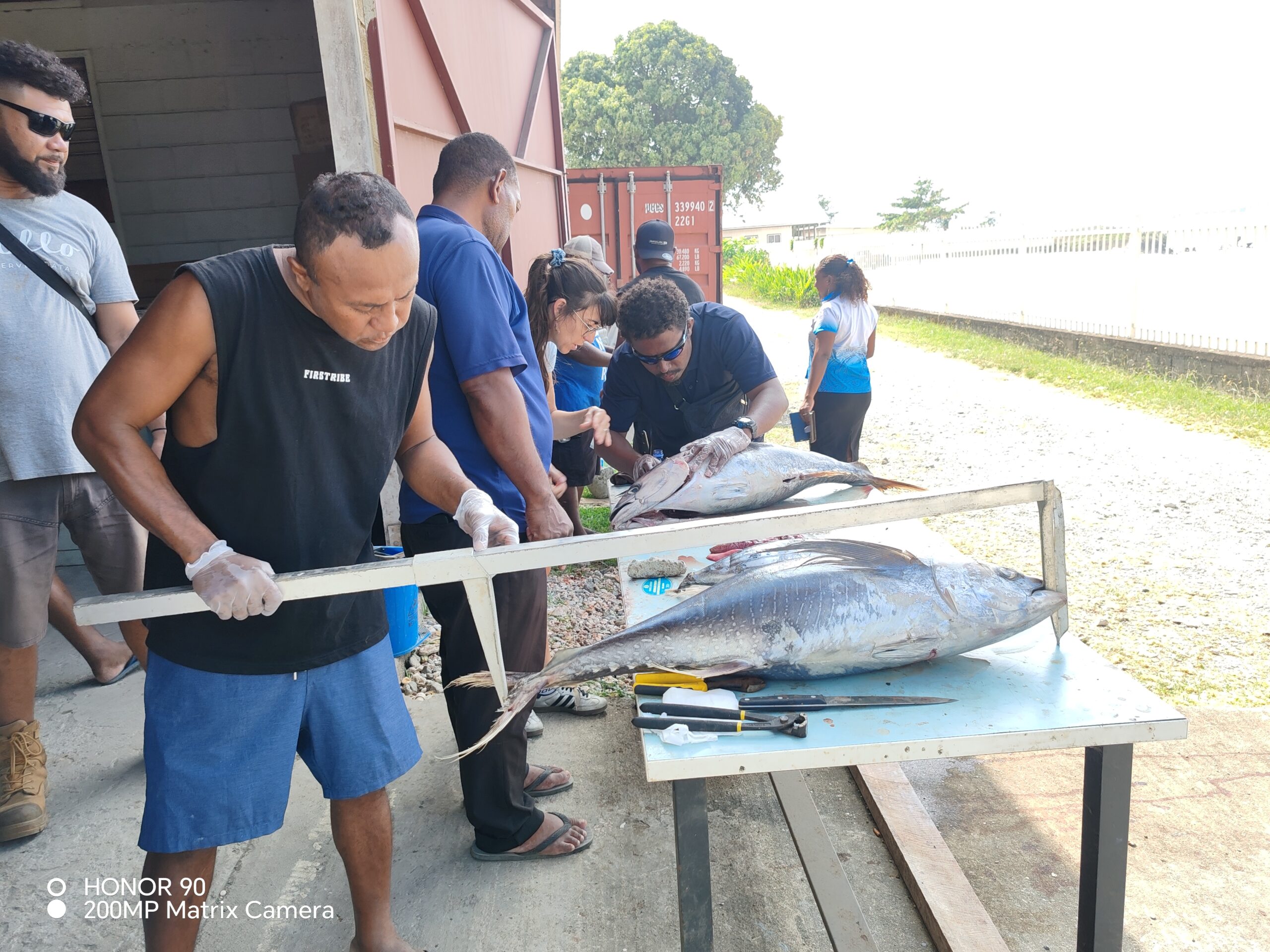
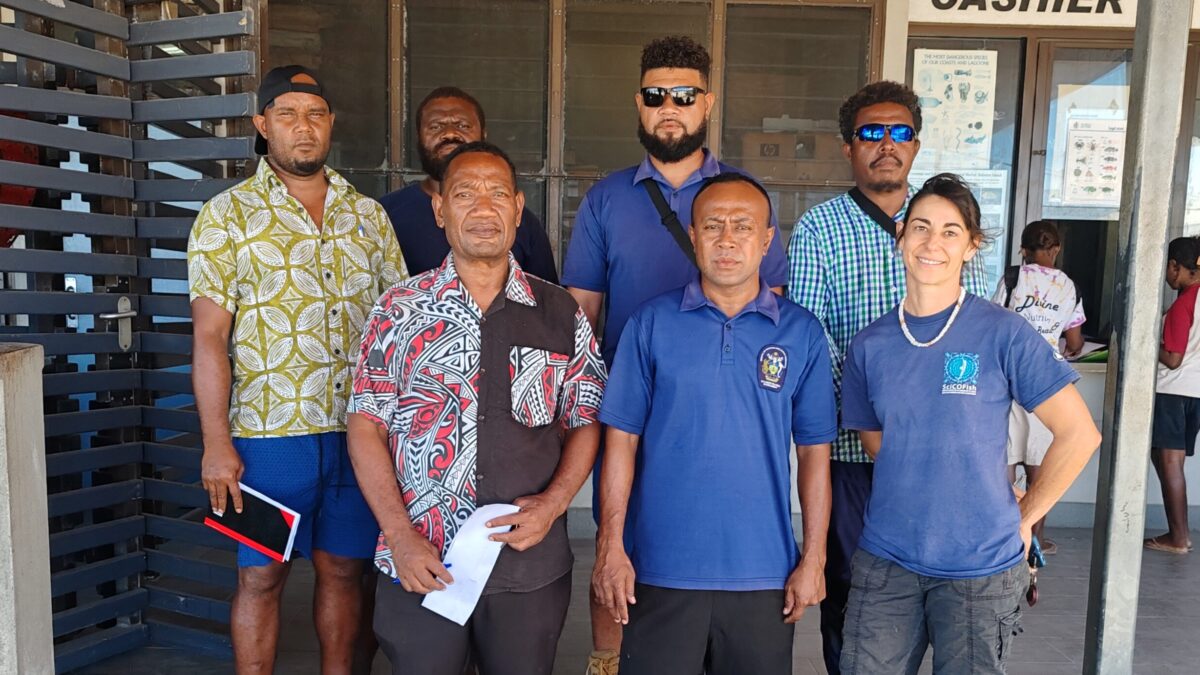
The training is being conducted by Caroline Sanchez, Senior Fisheries Technician with SPC, and involves approximately eight to nine senior observers, debriefers, trainers and trainee trainers.
A key focus of the training is supporting the WCPFC P100D Spawners Project, which collects biological samples from albacore and yellowfin tuna to investigate population genetic structure in the Western and Central Pacific Ocean (WCPO). The project specifically targets mature fish believed to form part of the local spawning stock.
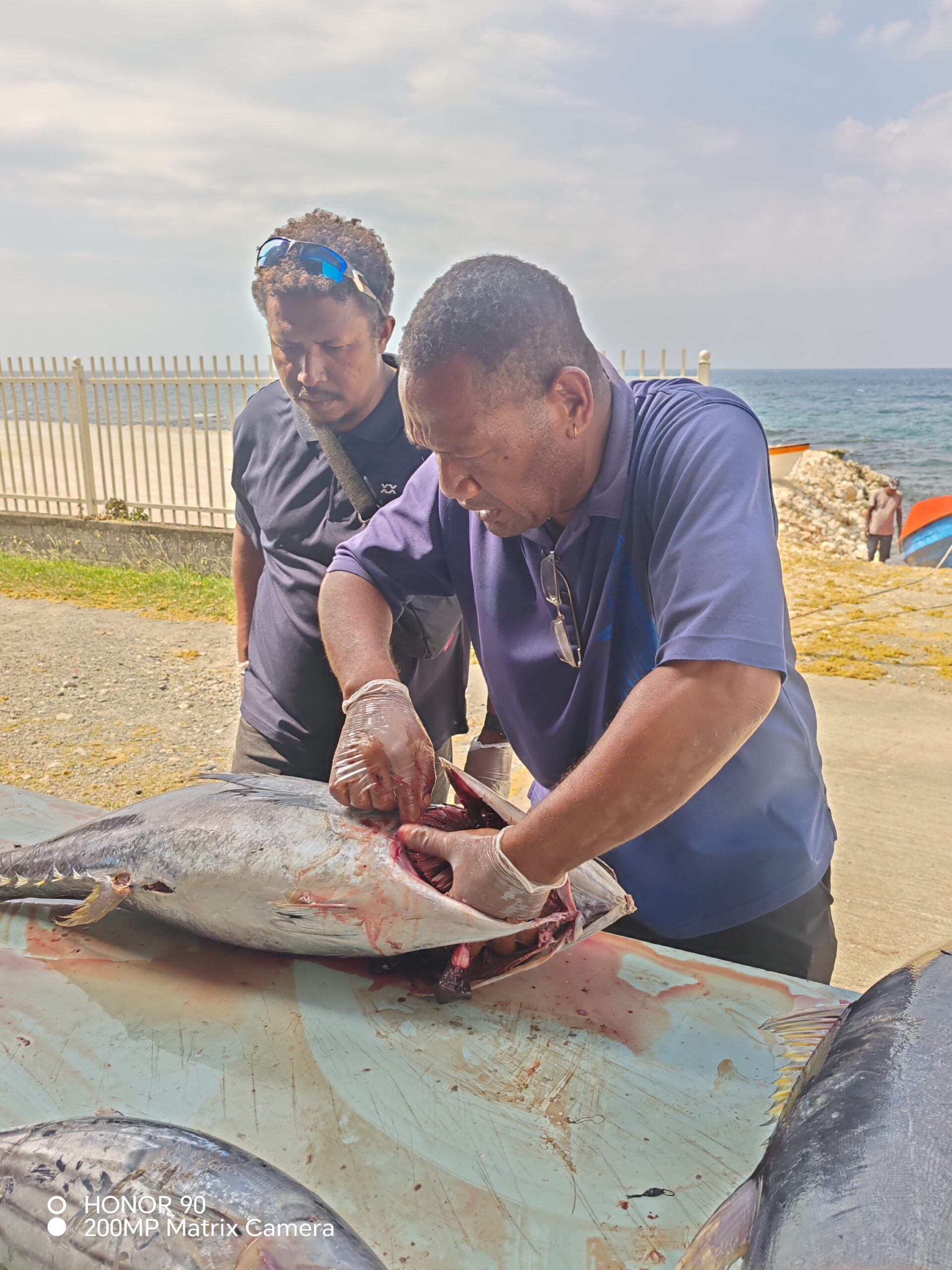
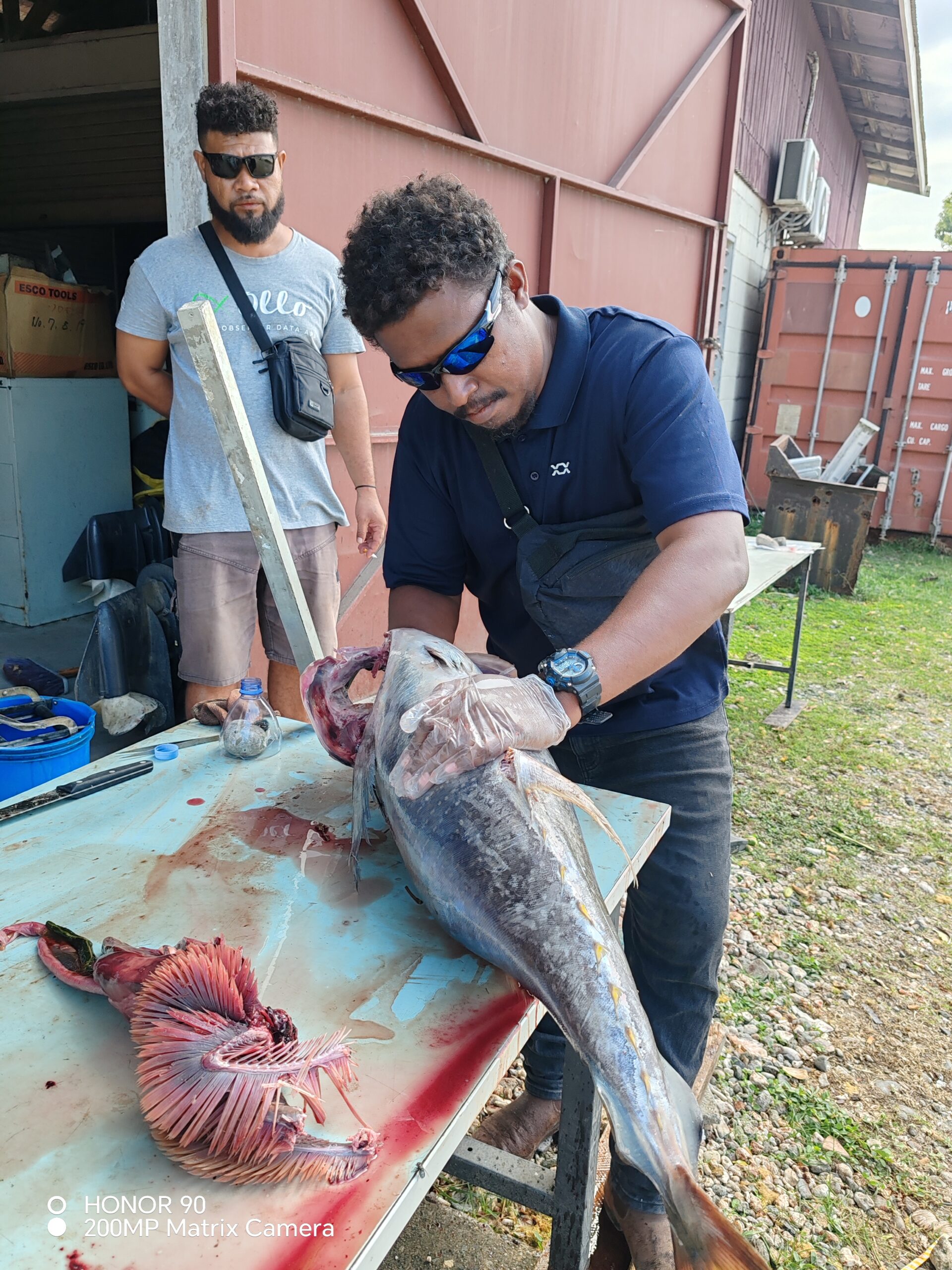
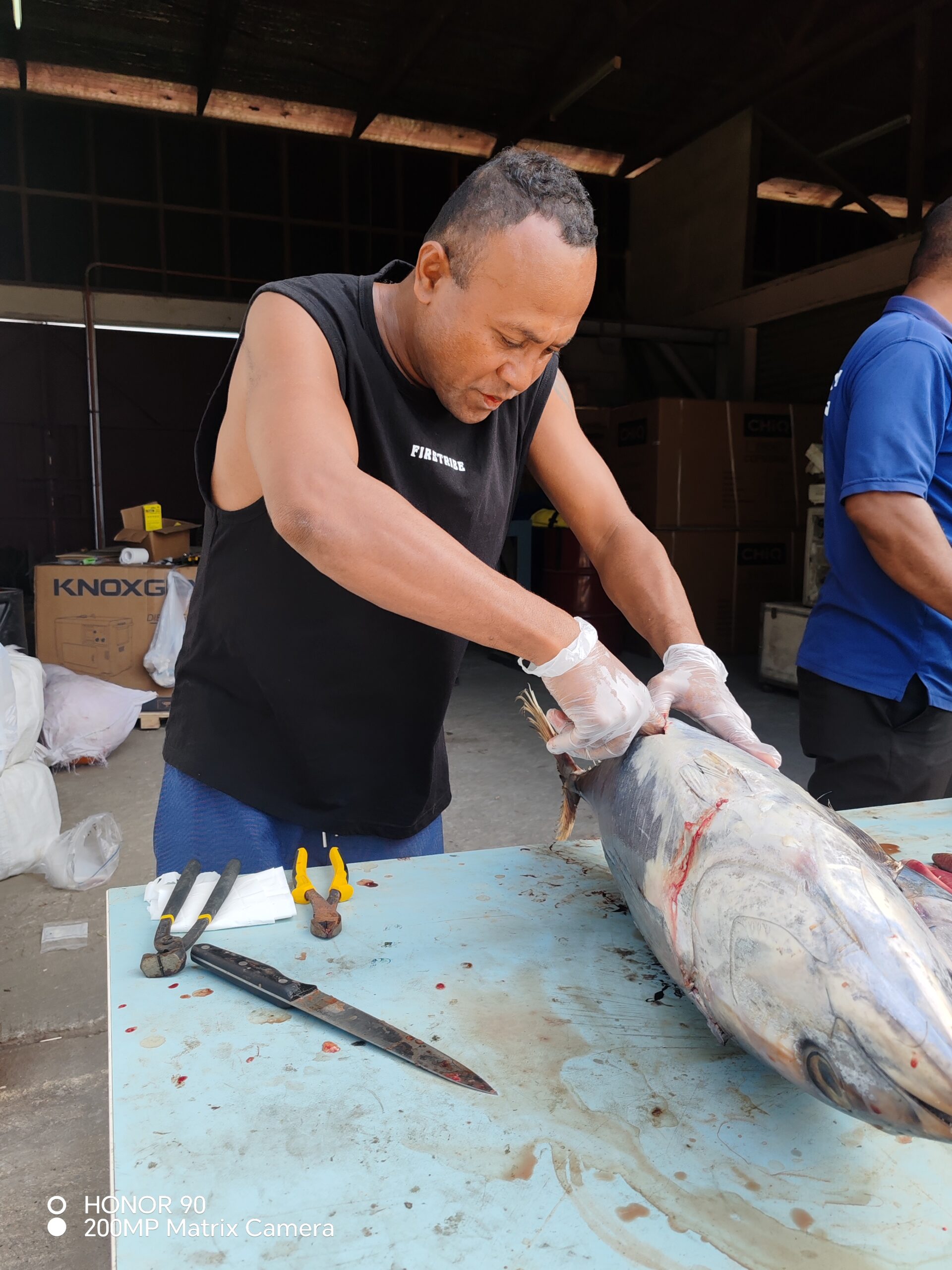
Under the project, samples are collected from albacore tuna measuring more than 90 centimetres and yellowfin tuna measuring more than 100 centimetres. These include gonad samples to assess reproductive maturity and genetic samples collected using biopsy punches.
The training also provides a refresher on the practical techniques involved in collecting otoliths (fish ear bones) and other biological samples, as well as the proper handling and debriefing of samples in accordance with SPC’s standard operating procedures.
Ms Sanchez said biological sampling was important to fisheries science and management across the Pacific, providing valuable information to help scientists monitor climate change, understand tuna reproduction and growth, assess fish stocks and improve fisheries management.
“Collecting biological samples is extremely important because we want to be able to monitor climate change, identify indicators and provide material to scientists to undertake specific studies that will help in better managing our fisheries,” she said.
She explained that some participants had previously received biological sampling training in 2011 and 2012, making the current programme an important opportunity to refresh their knowledge, update techniques and strengthen their practical skills.
The regional biological sampling programme involves collaboration involving SPC, Pacific Fisheries Ministries, Australia’s Commonwealth Scientific and Industrial Research Organisation (CSIRO), New Zealand and the fishing industry.
Samples are collected both at sea by fisheries observers and at ports where fishing vessels unload their catches.
Ms Sanchez said biological sample collection began in the early 2000s, with formal observer training introduced in 2009. The programme has since expanded across the Pacific, with additional support provided through the Green Climate Fund.
She commended the commitment and enthusiasm of the Solomon Islands participants, noting their active engagement, questions and willingness to share their practical experiences.
She also highlighted the critical role fisheries observers play in the programme, particularly given the challenging conditions they face while working at sea and their responsibility for collecting important biological samples.
Ms Sanchez said she was encouraged by the growing interest in biological sampling across the region, with more observers seeking to understand not only how samples are collected but also why they are important and how they contribute to fisheries science.
The training forms part of ongoing regional efforts to strengthen fisheries data collection, scientific knowledge and technical capacity to support informed decision-making and the sustainable management of Pacific tuna resources.