

Choiseul Province Completes Initial Damage Assessments Following Tropical Cyclone Maila; Recovery Efforts Now Underway
HONIARA, SOLOMON ISLANDS – The Choiseul Province Provincial Emergency Operations Centre (PEOC) has completed the Initial Damage Assessment (IDA) following the devastating impact of Tropical Cyclone Maila. The assessment, conducted with technical support from the UN OCHA Remote Cell, confirms widespread humanitarian and infrastructure damage across the province.
With the Initial Damage Assessment (IDA) now complete for all affected areas across the province, the focus is officially shifting toward the early recovery phase. This transition follows a comprehensive analysis that confirmed significant humanitarian and infrastructure impacts, highlighting an urgent need for ongoing shelter assistance, food support, and protection interventions.
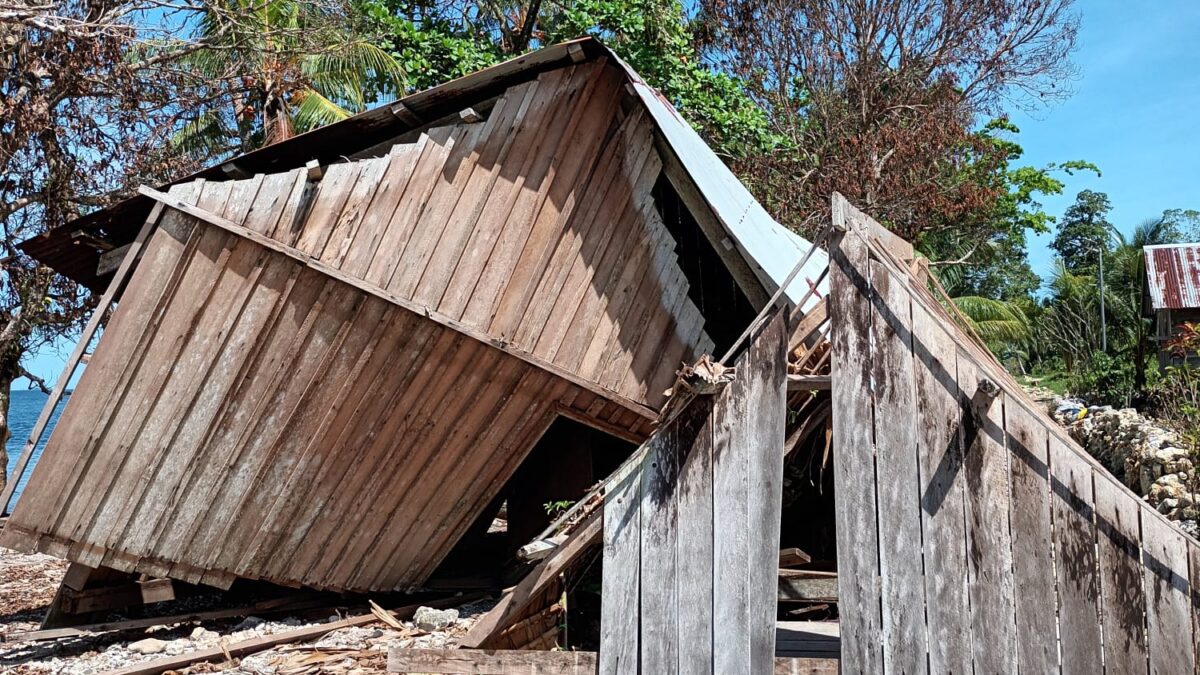
The cyclone’s impact on shelter has been severe, with 495 houses reported as damaged or destroyed. Of these, 105 homes were completely destroyed, and another 42 sustained significant damage. Daily household function has been further complicated by the destruction of 241 kitchens, with an additional 353 partially destroyed, severely affecting the ability of families to prepare food and maintain safe living conditions. Currently, displaced individuals are seeking refuge across seven school-based evacuation centres.
While 92% of health facilities in the province remain operational, the health sector faces significant hurdles. The Sasamuga Clinic Hospital in South Choiseul has been deemed unsuitable for sustained clinical use due to severe infrastructure damage, disrupting essential outpatient services, pharmacy operations, and other basic health services.
Public health risks remain high due to damaged water, sanitation, and hygiene (WASH) infrastructure. Authorities are currently investigating Event-Based Surveillance alerts for suspected diarrhoeal illness and other health concerns in the region. Furthermore, the assessment highlights a rise in psychosocial distress and cases of child malnutrition linked to ongoing food shortages.
The agricultural sector, a cornerstone of the local economy, has suffered a major blow. Tropical Cyclone Maila caused severe damage to agricultural infrastructure, fruit trees, and backyard food gardens. The disruption of copra production has further impacted household incomes and long-term food security for affected communities.
Despite these challenges, the PEOC reports that community resilience remains strong and no new large-scale impacts have been recorded in recent updates. While no active weather warnings are currently in effect, significant gaps remain in the response, including the need for a midwives’ team and a thorough engineering assessment of water systems.
The Choiseul Provincial Government continues to prioritize shelter assistance, food support, and protection interventions to ensure the safety and wellbeing of all residents as they navigate the early recovery phase.
Meanwhile the public is reminded that the state of disaster declaration remains valid. This declaration will only be revoked once the council is fully satisfied with the status of the current response and the findings of the assessments
Ends//