

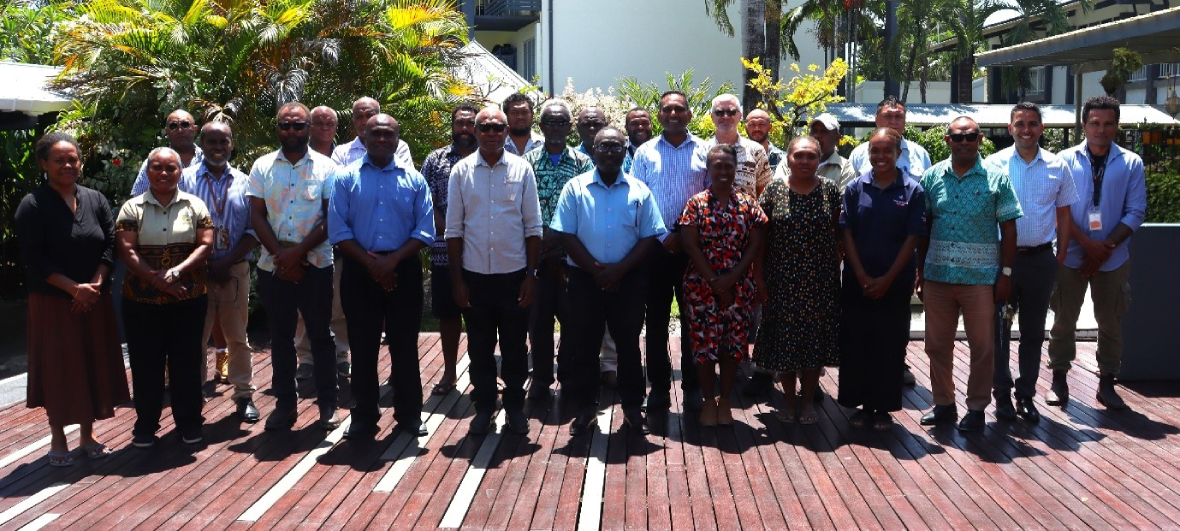
Group photo of health officials and health partners.
NATIONAL CONSULTATION WORKSHOP SUPPORTS DEVELOPMENT OF SOLOMON ISLANDS MEDICAL AND PUBLIC HEALTH LABORATORY STRATEGIC PLAN 2026-2031
The Ministry of Health and Medical Services (MHMS), through the National Public Health Laboratory (NPHL) and the National Referral Hospital (NRH) Clinical Laboratory, with support from the Global Fund through World Vision Solomon Islands (WVSI), is conducting a National Stakeholders Consultation Workshop on the Development of the Solomon Islands Medical and Public Health Laboratory Strategic Plan 2026-2031 from 13 to 14 October 2026.
The workshop aims to provide stakeholders with an opportunity to identify priorities, challenges, opportunities and strategic directions for strengthening laboratory services across Solomon Islands. It also serves as a platform for stakeholders to contribute to the development of a nationally owned and evidence-based Medical and Public Health Laboratory Strategic Plan 2026-2031.
Once developed, the strategic plan will guide laboratory services across Solomon Islands in supporting the implementation of the National Health Strategic Plan 2022-2031. It will also provide a framework for progressing the National Medical and Public Health Laboratory Policy, support the future development of the MHMS Role Delineation Policy, and incorporate recommendations from the 2024 Joint External Evaluation.
Dr Gregory Jilini, Permanent Secretary (Acting), Ministry of Health and Medical Services, noted that laboratory services are often described as the silent foundation of healthcare.
He said laboratory professionals provide critical information every day that clinicians rely on to diagnose diseases, guide treatment, monitor patient outcomes and respond to public health threats.
“However, laboratory services are much more than diagnostic testing. They are essential for disease surveillance, outbreak response, blood safety, food safety, water quality monitoring, environmental health, antimicrobial resistance surveillance and, increasingly, economic development through trade and export certification,” Dr Jilini said.
He explained that laboratory services in Solomon Islands comprise a much broader network than any single laboratory or institution.
“Our national diagnostic ecosystem includes the National Referral Hospital Laboratory, the National Public Health Laboratory, provincial hospital laboratories, Area Health Centre testing services, point-of-care testing sites, private healthcare providers, faith-based facilities, programme-supported diagnostic services and our regional reference laboratory partners. Together, these services provide critical support to our health system and contribute to better health outcomes across the country.
“Today, laboratory services within MHMS operate through two complementary streams. Medical Laboratory Services support clinical diagnosis, treatment and disease surveillance through hospitals and health facilities, while the National Public Health Laboratory supports environmental health, food safety, water quality monitoring and broader public health priorities. Both have developed valuable expertise and made significant contributions despite operating within challenging resource and operational environments.”
Dr Jilini said many of the challenges facing Solomon Islands cannot be addressed by the health sector alone. Emerging infectious diseases, antimicrobial resistance, climate change, food insecurity, environmental degradation and biosecurity threats are interconnected issues that require a coordinated response.
“This is why the Strategic Plan will embrace a One Health approach, recognising the links between human, animal and environmental health. Future laboratory systems must support not only hospitals and health programmes, but also agriculture, fisheries, environmental monitoring, food safety and biosecurity activities.
“The development of this Strategic Plan comes at an important time. We are implementing the National Health Strategic Plan 2022-2031, strengthening our health security capacities, responding to recommendations from the Joint External Evaluation, and seeking greater quality, accountability and sustainability across our health services. Laboratory systems are central to each of these priorities.”
Dr Jilini also noted that strengthening laboratory services is reflected in the Government for Reform, Empowerment, Accountability and Transformation (GREAT Coalition) Statement of Policies, which includes commitments to upgrading laboratory services throughout the country.
He encouraged all participants to contribute openly and constructively throughout the consultation process.
“Your active participation will help develop a shared vision for a coordinated laboratory system that supports patient care, public health, health security, environmental protection, food safety and national development.”
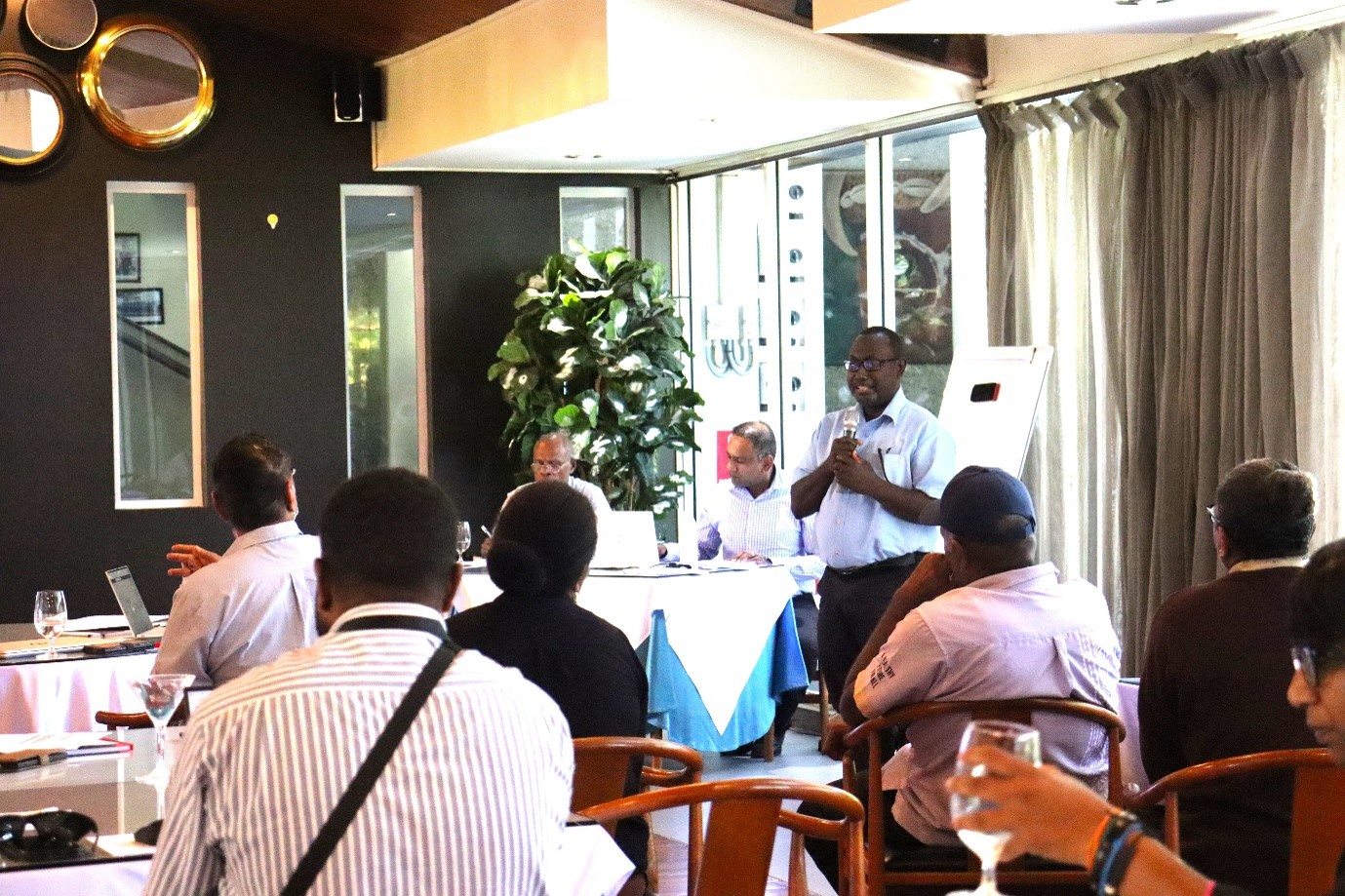
Dr Gregory Jilini Permanent Secretary Acting speaking at the workshop.
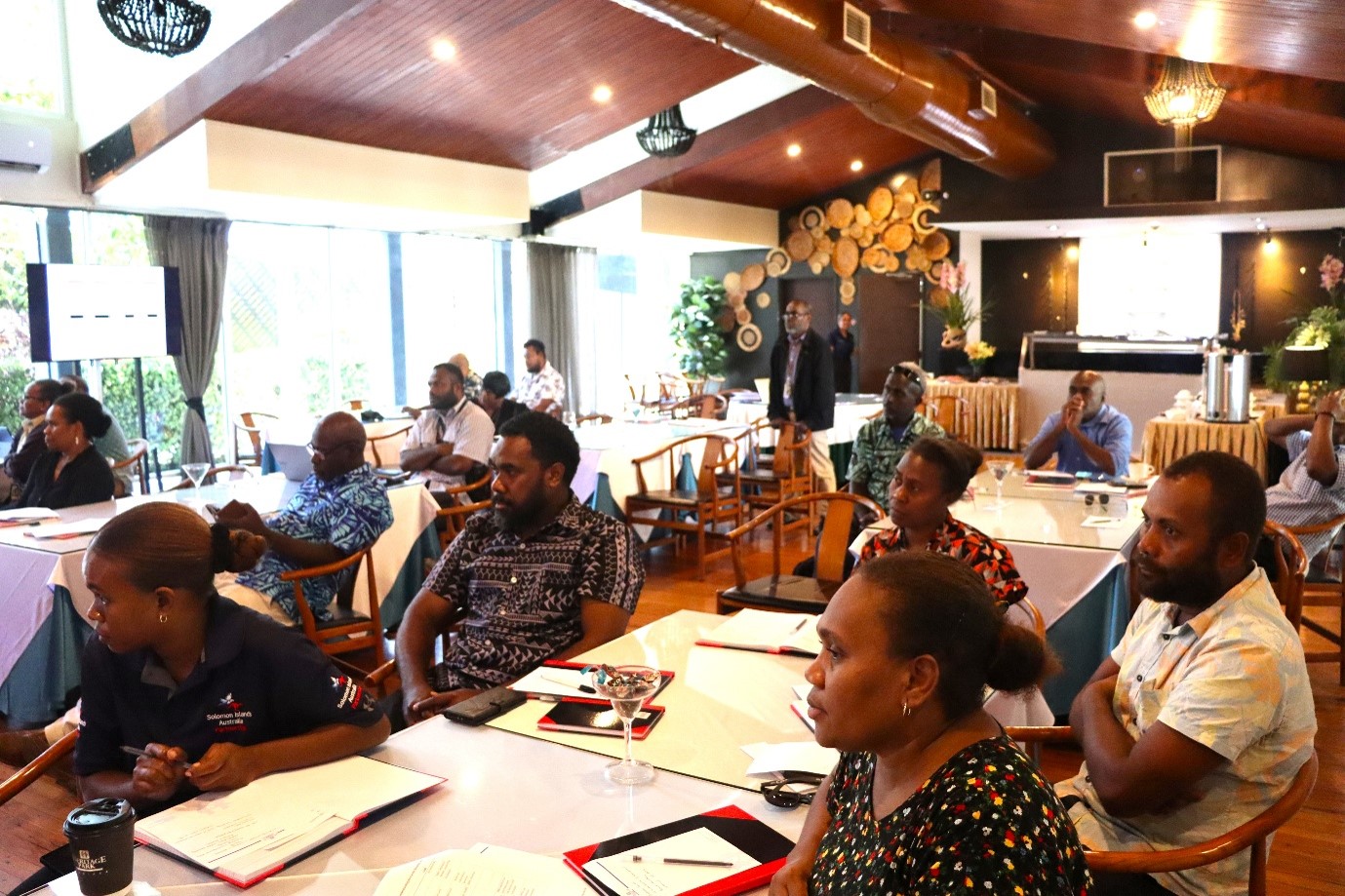
Some of the participants seated at the workshop.
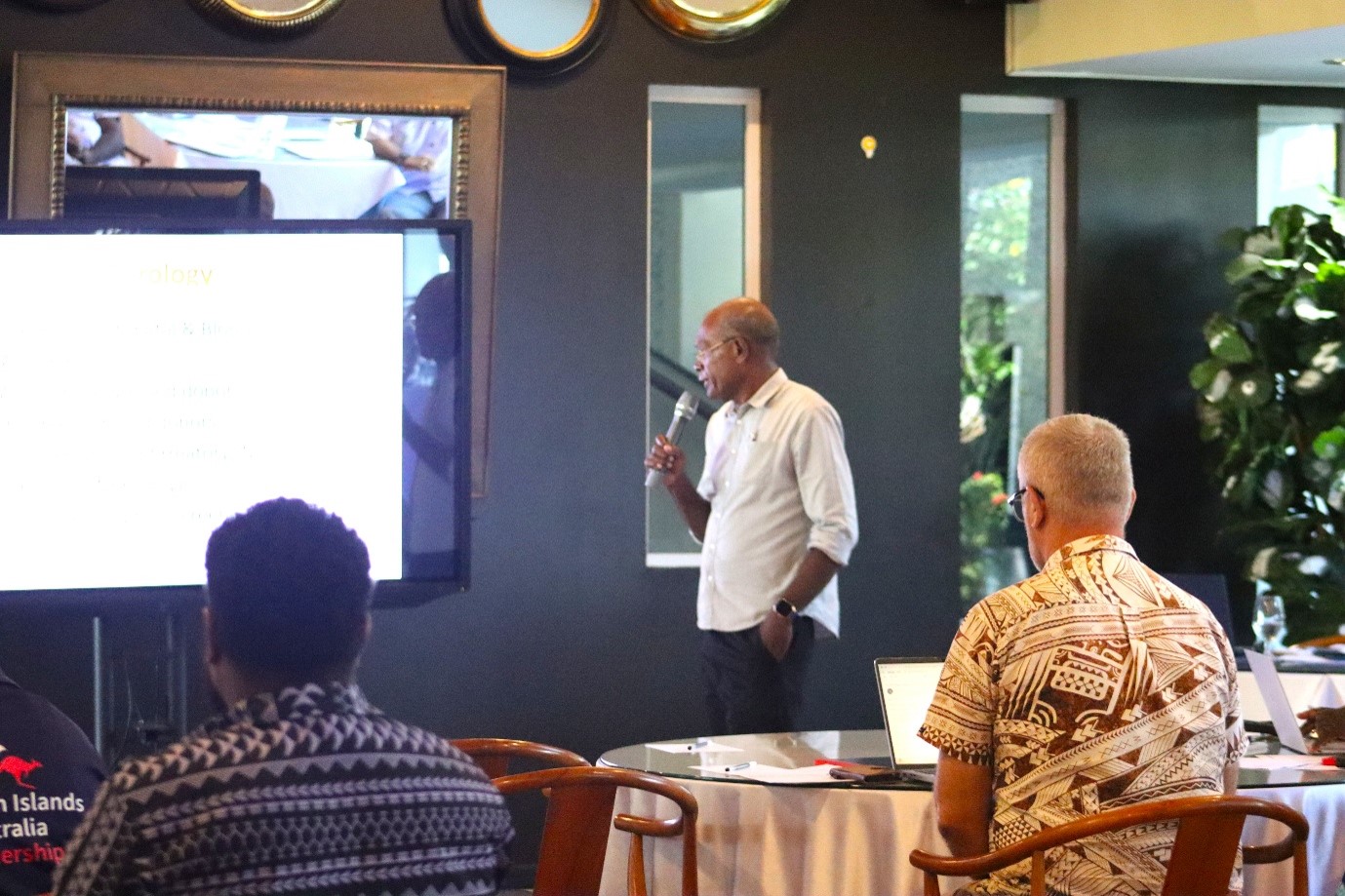
NRH Director Laboratory Alfred Dofai sharing his presentation

National Public Health Laboratory Director
Ends///…