

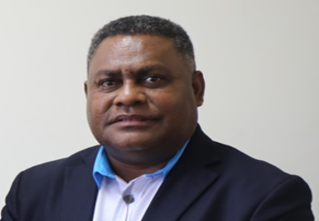
Minister of Finance and Treasury Launches 2027 Budget Strategy Framework
Honiara, 9 October 2026 – The Minister for Finance and Treasury has launched the 2027 Budget Strategy Framework, outlining the Government’s key policy and fiscal priorities for the 2027 National Budget.
As part of a more strategic and streamlined approach, the Government has opted to launch the Framework through a formal press statement rather than the traditional gathering of government officials and stakeholders. The Minister explained that this approach will allow greater emphasis on targeted and substantive consultations with ministries, agencies, development partners, and other key stakeholders.
Over the coming weeks, Government will undertake targeted consultations focused on the priorities, costs, and practical choices that will shape the 2027 Budget. The objective is to ensure the budget process remains purposeful, inclusive, and responsive to the needs and aspirations of Solomon Islanders.
The Minister noted that Parliament’s recent endorsement of an interim budget covering the first four months of 2027 has provided Government with additional time to carefully prepare the full 2027 National Budget. This revised timetable will strengthen coordination across ministries and ensure key policy priorities are properly developed, costed, and translated into realistic budget proposals.
The Minister emphasized that a budget is more than a collection of numbers. It is the mechanism through which Government priorities are matched with available resources and where policy commitments are translated into practical programmes, investments, and reforms that are affordable, achievable, and capable of making a meaningful difference in people’s lives.
Accordingly, the 2027 Budget will seek to strike the right balance between supporting the Government’s development ambitions and maintaining fiscal discipline, safeguarding public resources, and preserving economic and fiscal stability.
The 2027 Budget Strategy Framework establishes the Government’s key policy priorities, fiscal parameters, and strategic objectives. It will guide the responsible, affordable, and sustainable allocation of public resources and support the preparation of a budget that is credible in its numbers, disciplined in its choices, and ambitious in its outcomes.
Budget Policy Direction
The Government’s policy agenda for the 2027 Budget will be centred on the delivery of the GREAT Coalition Government’s flagship programmes and priorities, as outlined in the Coalition Policy Statement launched by the Prime Minister in July 2026.
Accordingly, the 2027 Budget will prioritise these six flagship programmes:
- Universal Free Education;
- Decentralization and Inclusive Governance;
- Renewable Energy Transition;
- Universal Healthcare;
- A Resilient and Sustainable Economy; and
- A Sound and Effective Social Welfare System.
Ministries and agencies will be expected to align their plans, programmes, and budget submissions with these priorities. Budget decisions will also be guided by the broader principles of economic empowerment, rural advancement and development, the Solomonisation principle, and the “First Bite, Better Bite” approach.
Free Education a Key Budget Priority
The Minister highlighted the Government’s Free Education Programme as one of the defining features of the 2027 Budget.
He stated that free education is not simply a social assistance measure but a long-term investment in the nation’s people. Government views education as the foundation of economic growth, social mobility, and national development, while also serving as an important tool for reducing poverty and improving opportunities for disadvantaged families.
The Minister confirmed that Government is in the final stages of developing a National Free Education Policy Framework, which will provide a roadmap for the progressive implementation of free education beginning in 2027.
The policy framework will support free education across all levels of the education system, including Early Childhood Education, primary and secondary education, technical and vocational training, and tertiary education. It will set out eligibility criteria, financing arrangements, governance structures, implementation arrangements, and monitoring mechanisms to ensure the programme remains fiscally sustainable and aligned with national development aspirations.
Once finalized, the framework will be submitted to Cabinet and shared with stakeholders and development partners. It will guide the design, financing, and implementation of the Free Education Programme in 2027 and beyond.
Other Priority Areas
While education will be a major priority, Government will continue to invest in other critical sectors that support wellbeing and long-term economic development.
These include strengthening the healthcare system, expanding infrastructure, supporting climate resilience and disaster preparedness, and promoting broad-based economic growth and diversification.
Particular emphasis will be placed on agriculture, fisheries, tourism, forestry, and mining, which remain key drivers of employment, income generation, and economic activity throughout the country.
Government will also continue advancing priorities across the Fundamental Sector, Productive Sector, Resource Sector, and Social Services Sector to promote sustainable growth, improve service delivery, and enhance the wellbeing of all Solomon Islanders.
Fiscal Outlook and Public Financial Management Reforms
The Minister acknowledged that the 2027 Budget is expected to remain in deficit due to ongoing fiscal pressures, growing development needs, and the cost of delivering major reform initiatives, including the Free Education Programme.
Government is actively engaging development partners and the donor community to explore additional financing opportunities that can support our flagship programmes and broader national priorities.
However, the Minister stressed that additional financing alone is not the solution.
“Equally important is how effectively and responsibly we manage the resources already available to us,” he stated.
To support this objective, Government is advancing a comprehensive programme of public financial management reforms aimed at strengthening fiscal discipline, transparency, and accountability across the public sector. These reforms are intended to improve confidence in public financial management, strengthen the credibility of the national budget, and safeguard fiscal sustainability over the medium term.
New Budget Formulation and Monitoring Framework
A key feature of the 2027 Budget will be the introduction of a new Budget Formulation and Monitoring Framework designed to strengthen the connection between Government priorities and resource allocation.
The framework will require ministries and agencies to identify clear objectives, milestones, outputs, outcomes, and deliverables for budget-funded programmes and activities. Budget performance will be monitored alongside programme implementation to ensure public resources are delivering intended results.
The framework adopts a results-based approach to budgeting and will strengthen accountability, improve expenditure effectiveness, and support evidence-based decision-making.
Increased Transparency of Special Funds
The Minister also announced an important fiscal transparency reform that will be implemented through the 2027 Budget.
For the first time, and pursuant to Section 25 of the Public Finance Management Act, the Ministry of Finance and Treasury will present a comprehensive account of all revenues and expenditures administered through Special Fund Accounts as part of the 2027 Budget Estimates.
The reform is expected to improve transparency, strengthen oversight of Special Funds, and ensure these resources are managed within a more integrated and accountable budget framework.
Looking Ahead
The Minister said the 2027 Budget represents an opportunity to translate the GREAT Coalition Government’s vision into practical outcomes for Solomon Islanders through free education, stronger healthcare services, improved infrastructure, enhanced social protection, rural development, and expanded economic opportunities.
Government will continue extensive consultations with ministries, the private sector, development partners, and civil society organisations throughout the budget preparation process to ensure the final budget reflects the aspirations, priorities, and needs of the people.
Concluding the launch, the Minister reiterated the Government’s commitment to partnership, responsible fiscal management, and sustainable development.
He encouraged all stakeholders to actively contribute to the budget process and reaffirmed his confidence that, through collective effort and strong leadership, Solomon Islands can achieve the ambitions set out in the GREAT Coalition Government’s agenda and deliver lasting benefits for future generations.
The Minister formally declared the 2027 Budget Strategy Framework launched and confirmed the commencement of preparations for the 2027 National Budget.
End//