


Lumakanji Training Aims to Boosts Coffee Production Skills for Labuhila Farmers
Farmers from the Labuhila Coffee Farmers Association gathered in Lumakanji, Guadalcanal, last week for a hands-on training session aimed at improving coffee production and increasing income opportunities.
The training, funded by the Solomon Islands Agriculture Rural Transformation (SIART) Project through the Ministry of Agriculture and Livestock Development (MALD), was conducted on 18–19 May 2026.
The SIART Project, a World Bank-funded initiative implemented by MALD, focuses on strengthening the agriculture sector by increasing production, improving market access, and enhancing rural livelihoods. The project supports farmers across Malaita, Guadalcanal, and Makira-Ulawa through targeted training, infrastructure support, agribusiness development, and extension services, contributing directly to food security and community resilience.
The training, led by MALD Research Officer Geoffrey Oliouou, focused on two key technical areas: pruning and grafting. Farmers were trained on pruning techniques to manage tall trees, remove unwanted growth after harvest, improve light penetration, and stimulate productive branch development. Participants also learned the timing and follow-up care required to protect trees after pruning.
“The objective of this training is to equip farmers with practical skills that will directly improve coffee productivity and quality,” said Geoffrey Oliouou. “By applying proper pruning and grafting techniques, farmers can rehabilitate existing trees, introduce improved varieties, and increase yields in a sustainable way.”
The grafting component covered both top and side grafting techniques on nursery seedlings and mature trees. These methods enable farmers to replace low-yielding trees, introduce improved varieties, and accelerate the production of marketable coffee.
A representative from the Labuhila Coffee Farmers Association welcomed the training, emphasising its immediate value to farmers. “This training has given us skills we can use straight away. We are now more confident to manage our coffee trees and will share this knowledge with other members in our community to improve production and income,” the farmer representative said.
During discussions, farmers and organisers highlighted ongoing challenges affecting coffee production in the highlands. These include poor road access, which limits market connectivity and increases transportation costs, as well as limited market linkages that affect farmers’ returns. Participants noted that coffee, despite its potential as a key cash crop alongside cocoa and coconut, has received limited attention and support in recent years.
Through SIART funding, the training also provided essential materials for hands-on learning. Trainers emphasised the need for continued support, including access to quality seedlings, regular extension services, and investment in infrastructure to ensure that technical improvements translate into sustainable income gains.
The Labuhila Coffee Farmers Association plans to apply the knowledge gained by establishing demonstration plots, conducting in-community refresher training, and advocating for improved market access and institutional support. With improved pruning and grafting practices, farmers are optimistic about revitalising coffee production in Lumakanji and surrounding highland communities.
End/// with photos
MAL Press Release
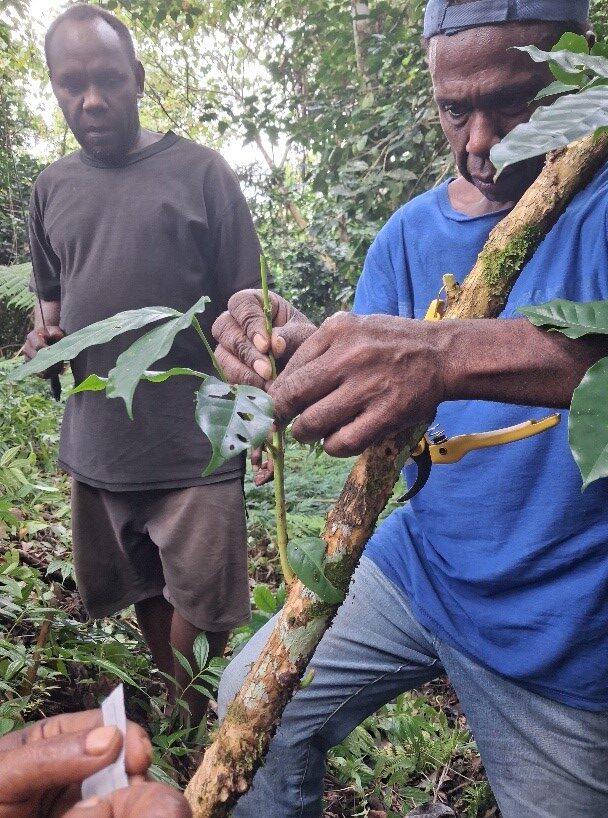
Pic#1: a farmer hands on practical on shoot grafting
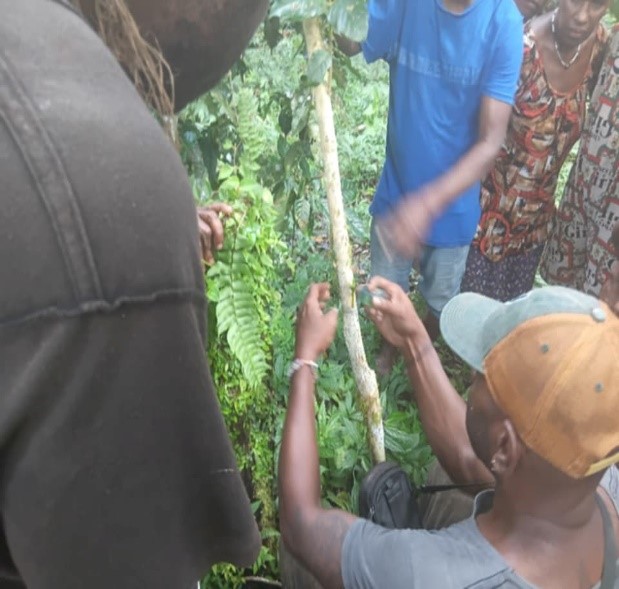
Pic#2: trainer demo on coffee side graft
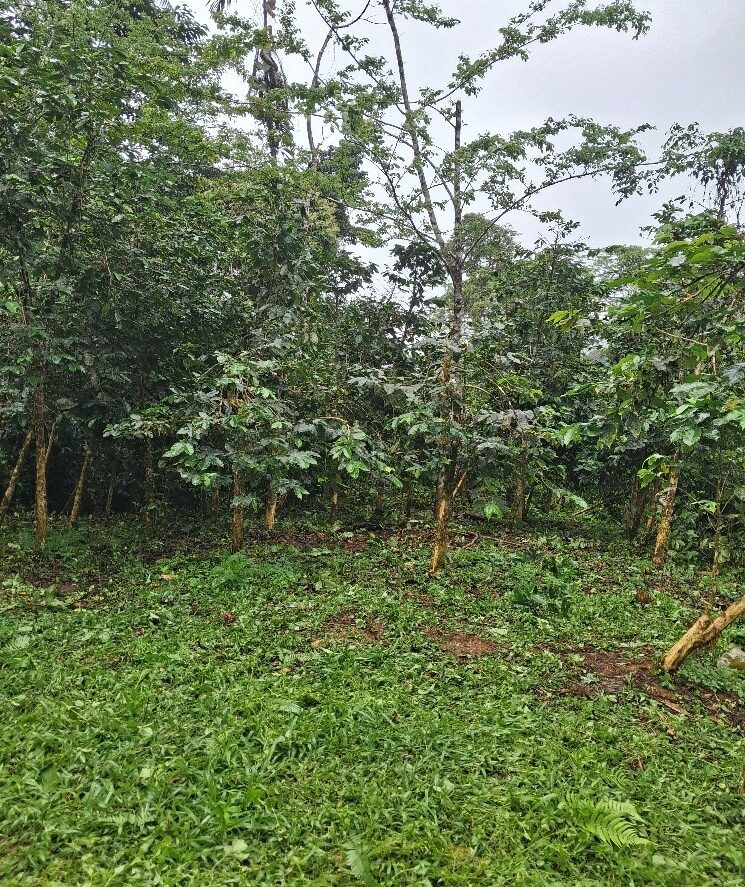
Pic3# pruning on height reduction demo sample