

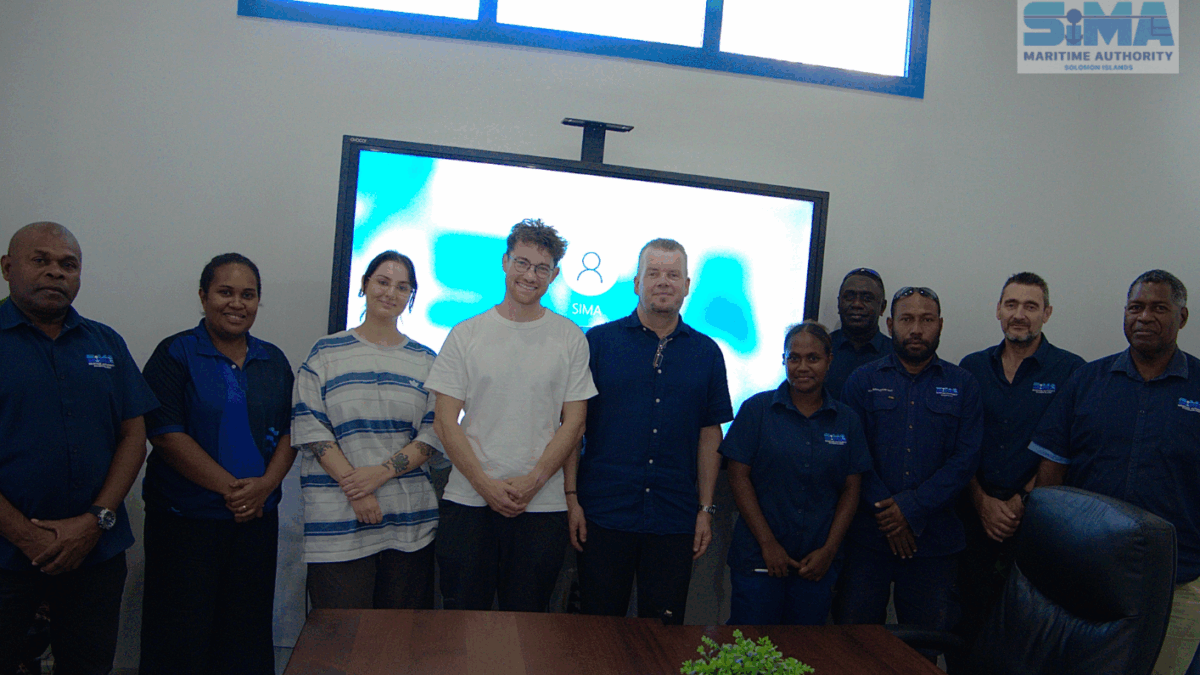
CoDAtoN Project Team and SIMA Project Team members following their initial project meeting
SIMA and CoDAtoN Bring Local Businesses into Designing Affordable, Locally-manufactured Aids to Navigation
Honiara, Solomon Islands | 4 November 2026
The Solomon Islands Maritime Authority (SIMA) is working with the Co-Designing Aids to Navigation (CoDAtoN) project to explore how locally available skills, knowledge and material can contribute to the development of affordable and internationally compliant aids to navigation (AtoN) for Solomon Islands.
CoDAtoN is a three-year initiative jointly funded by the International Foundation for Aids to Navigation (IFAN). The project is led by the Royal College of Art (RCA), with technical support and advice from International Organization for Marine Aids to Navigation (IALA) experts and HawksHill Consulting Ltd.
A key feature of CoDAtoN is its emphasis on co-designing AtoN. The project is intended to use local knowledge and expertise, work with local businesses, and integrate sustainable and circular design principles.
On 4 November, a technical workshop at Honiara Hotel brought together local business engineers to turn site-visit findings into co-design. They reviewed alternative materials, manufacturing processes and innovative solutions to select the best options for a locally appropriate AtoN design.
The workshop provided a practical platform to combine engineering and operational perspectives, bringing together local companies Solomon Sheet Steel, Island Tanks, Chengs and Tongs, the Solomon Islands Ports Authority (SIPA), SIMA hydrography and aids to navigation specialists, and CoDAtoN experts.
The CoDAtoN project plans to progress from stakeholder engagement and problem exploration into co-design, prototyping, testing of the build and deployment, with the intention of developing a model that could eventually be shared for use in other countries and locations.
SIMA sees the CoDAtoN initiative as an opportunity to explore a model in which maritime safety, local capability, affordability and sustainability reinforce one another. It mirrors SIMA’s “Reviving Traditional Shipbuilding” project, which aims at certifying traditionally-built wooden vessels against modern safety standards.
Both initiatives reflect SIMA’s objective of combining local knowledge and skills with innovation and modern standards, and of increasing local content and the participation of Solomon Islanders in maritime development.
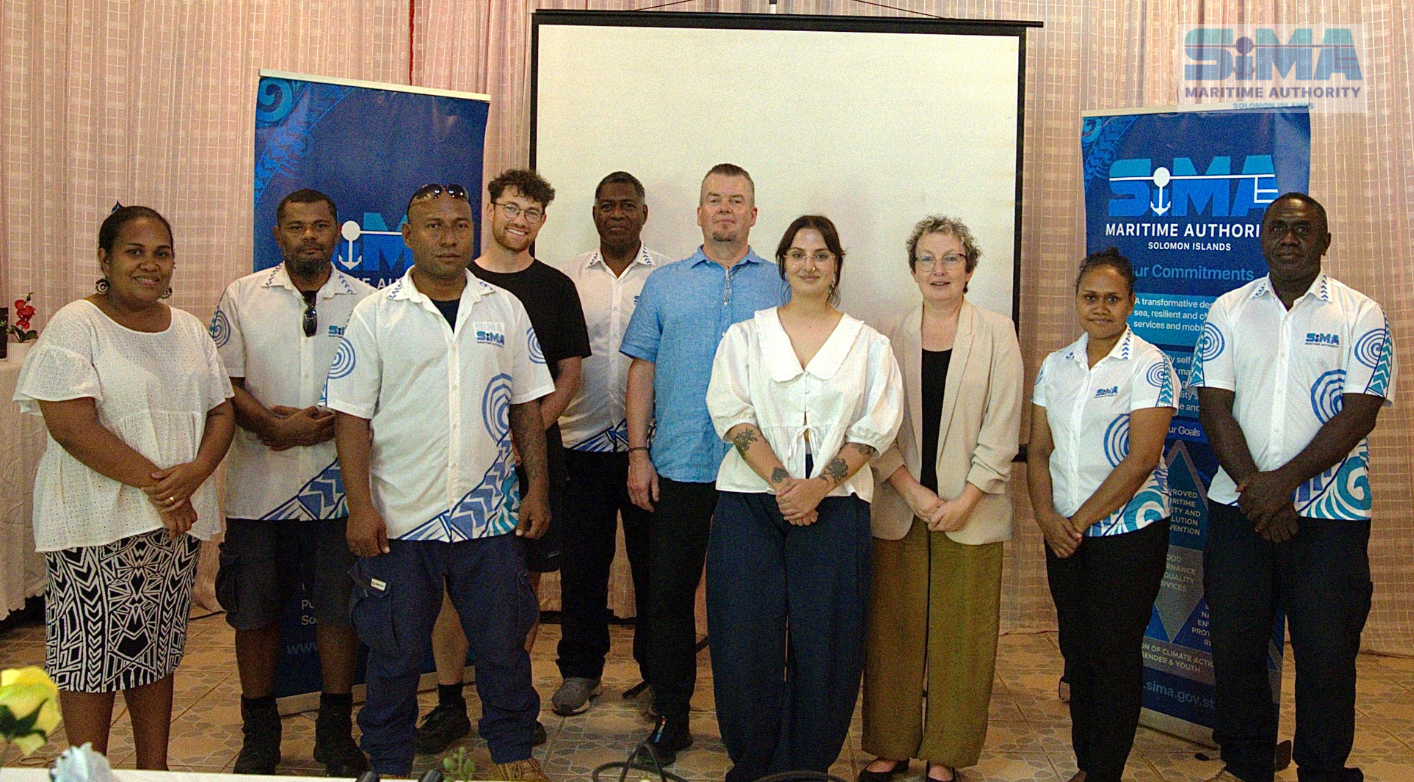
Group photo of the CoDAtoN Project Team and the SIMA Project Team
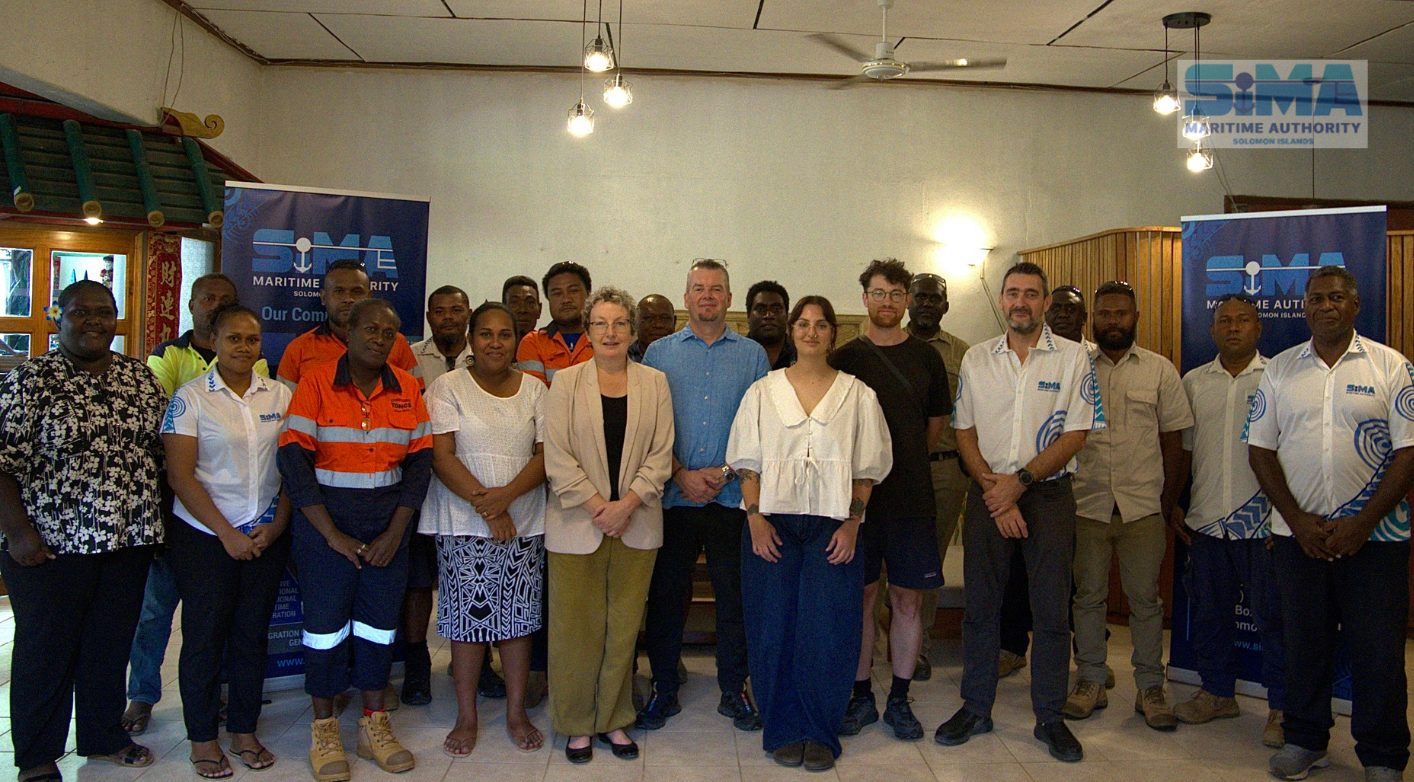
Group Photo of Workshop Participants
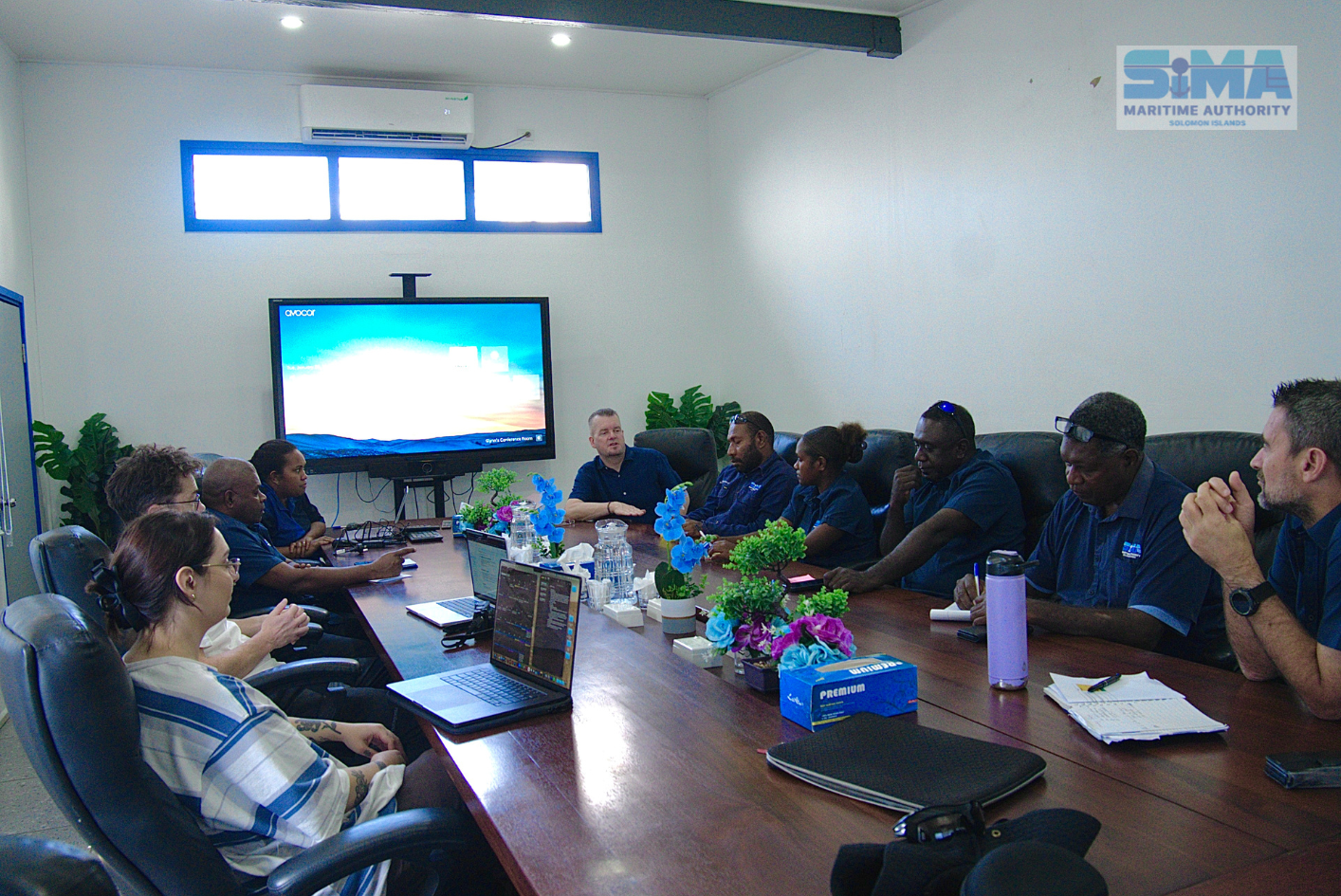
SIMA and CoDAtoN Project Team members discussing project ideas and initiating workshop activities
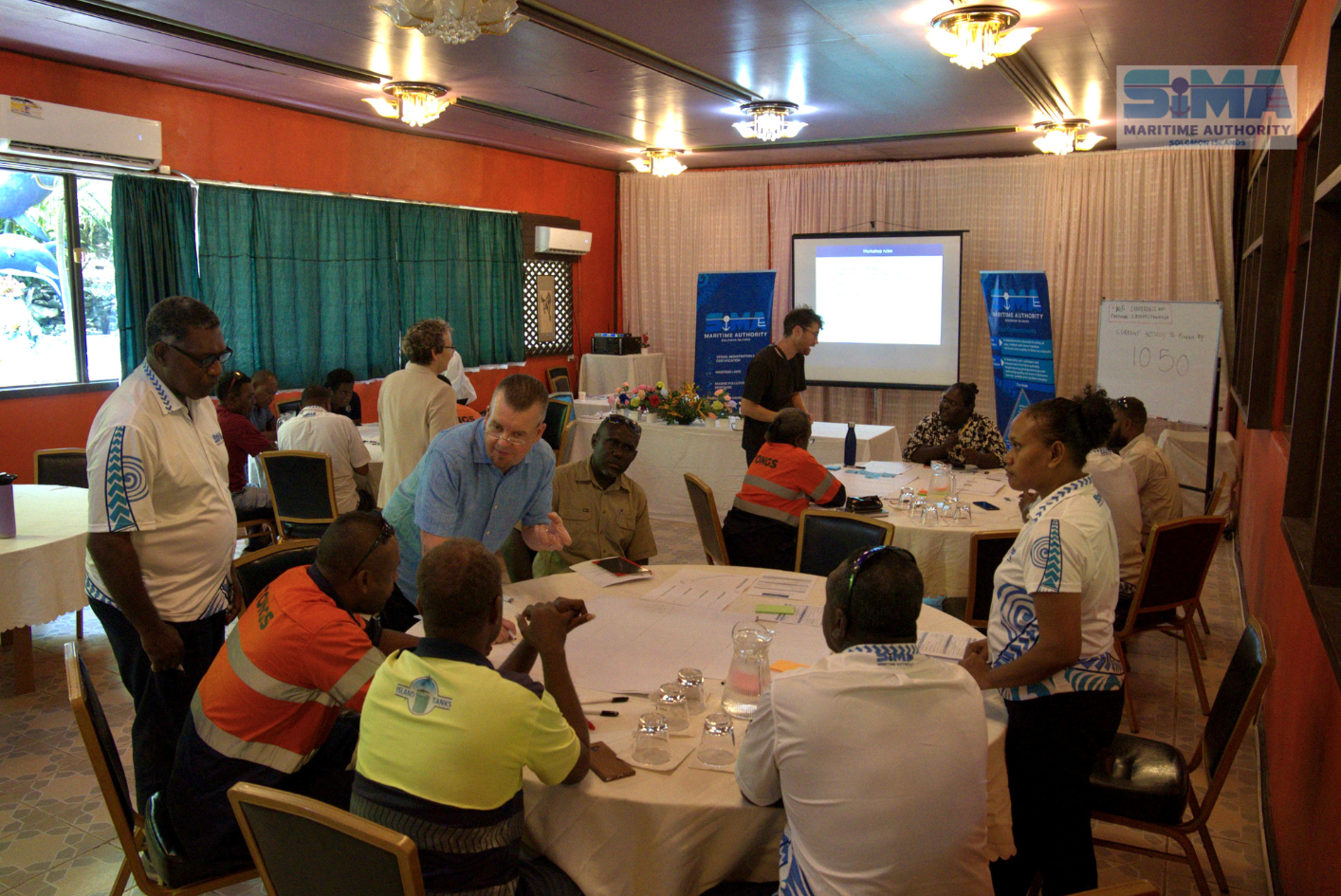
Workshop participants engaged in discussions and collaborative activities
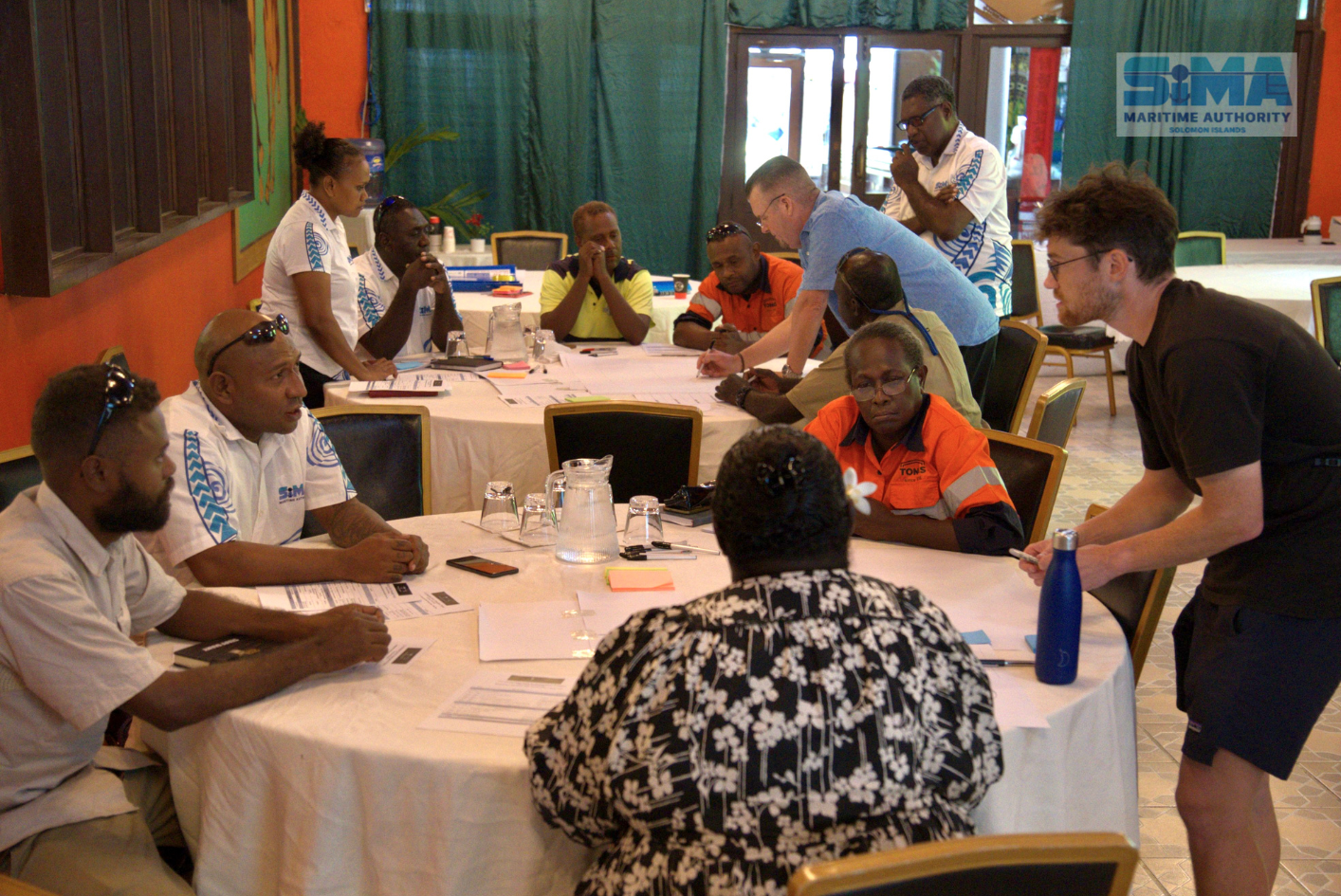
Workshop participants engaging in group discussions