

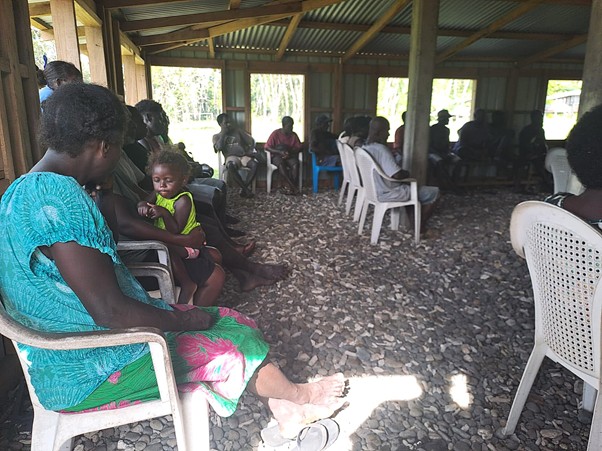
The Agriculture Investment for Markets and Nutrition (AIM-N) Project is making steady progress with its baseline survey across Choiseul, Isabel and Western Provinces, despite logistical challenges and disruptions caused by Tropical Cyclone Maila.
AIM-N Baseline Survey Progressing Across Choiseul, Isabel and Western Provinces
The six-year project, implemented under the Ministry of Agriculture and Livestock Development, aims to strengthen food security and nutrition, improve agricultural production and market access, support climate-resilient livelihoods and create greater economic opportunities for rural households.
The baseline survey is a critical first step in achieving these objectives. It is collecting information on agricultural production, household livelihoods, food security, nutrition, income, market participation and other socio-economic conditions to establish a benchmark for measuring changes throughout the life of the project.
AIM-N Project Manager Samantha Maeke said the survey would provide an important foundation for ensuring project investments respond to the realities and priorities of rural communities.
“The baseline survey marks the beginning of an important journey for the AIM-N Project. By listening to communities and understanding their current circumstances, we are laying a strong foundation for targeted investments that will improve food security, nutrition, resilient agriculture and livelihoods across Choiseul, Isabel and Western Provinces,” she said.
The baseline survey is designed to cover 894 households, representing approximately 30 percent of the project’s total beneficiary households.
Data collection has already commenced in Western Province and the South West Region of Isabel Province. Survey teams have so far interviewed 298 households in Western Province and 149 households in the South West Region of Isabel Province, with field activities continuing in other project locations.
Preparations are also well advanced for Choiseul Province and the remaining areas of Isabel Province, with logistical arrangements being finalised before teams move into the communities.
Conducting a large-scale survey across remote island communities has presented a number of challenges. Tropical Cyclone Maila disrupted transport, accessibility and planned field activities across all three target provinces. Weather conditions, transportation arrangements, equipment availability and other logistical issues have also affected field schedules.
Despite these challenges, survey teams have continued working closely with provincial governments, community leaders and local stakeholders to adjust schedules and ensure field activities can proceed safely and effectively.
The Baseline Survey Team Leader and Monitoring & Evaluation Manager Mr Edward Suinao said the cooperation received from communities in both provinces so far had been encouraging.
“Overall, I am very pleased with how the baseline survey was conducted and with the cooperation we received from communities throughout the provinces. Community members were open, welcoming and willing to share valuable information that will help the AIM-N Project better understand local needs and priorities,” he said.
The geographical nature of the project areas has also required field teams to remain flexible, with some communities located considerable distances from one another.
Community participation remains central to the baseline process. Farmers, women, youth, community leaders and households have shared their experiences, challenges and priorities, helping ensure that the project is informed by local realities.
One elderly male farmer welcomed the opportunity for his community to participate directly in the project.
“We are very excited because this is the first time an agricultural project has proposed working directly with our community. We want this project to succeed because we believe it has the potential to improve the lives of our families and strengthen our livelihoods.”
A woman farmer and mother highlighted the importance of linking agricultural production with household nutrition, noting that nutrition and healthy eating must remain part of the conversation as communities pursue income-generating opportunities.
Once data collection is completed, the information will be cleaned, analysed and compiled into baseline reports. The findings will guide implementation planning and provide a reference point for monitoring AIM-N’s progress over the next six years.
Despite the challenges of working across remote island communities, the continued progress of the baseline survey demonstrates the commitment of the AIM-N Project, provincial partners and participating communities to building a strong evidence base for investment and development.
Ends//
MALD / AIM-N Press Release
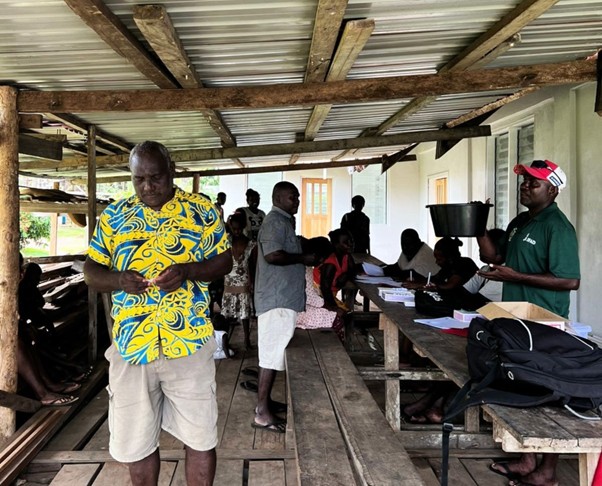
AIM-N staff conducting baseline survey in Western Province
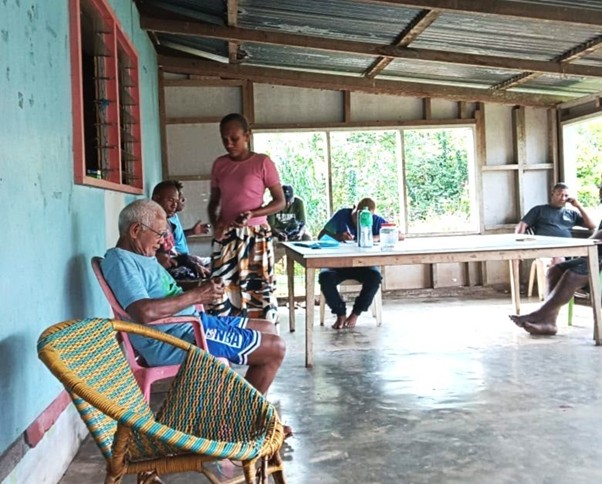
AIM-N staff conducting baseline survey in Isabel Province
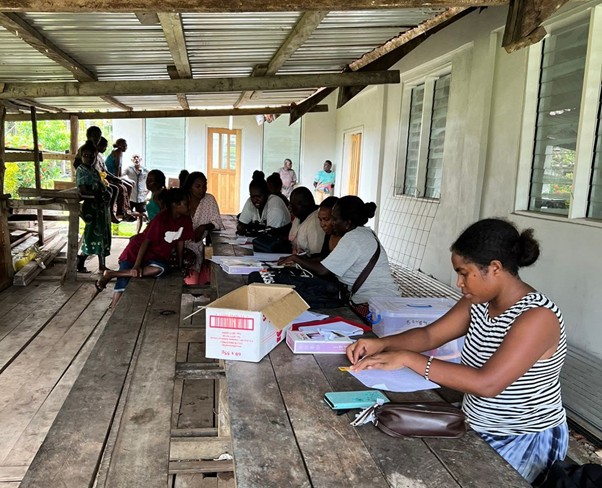
AIM-N staff conducting baseline survey in Western Province
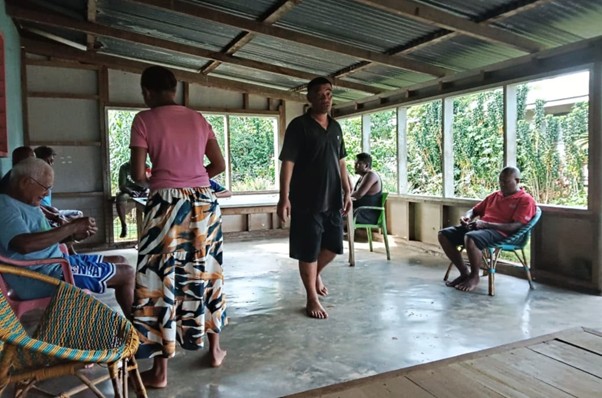
AIM-N staff conducting baseline survey in Isabel Province
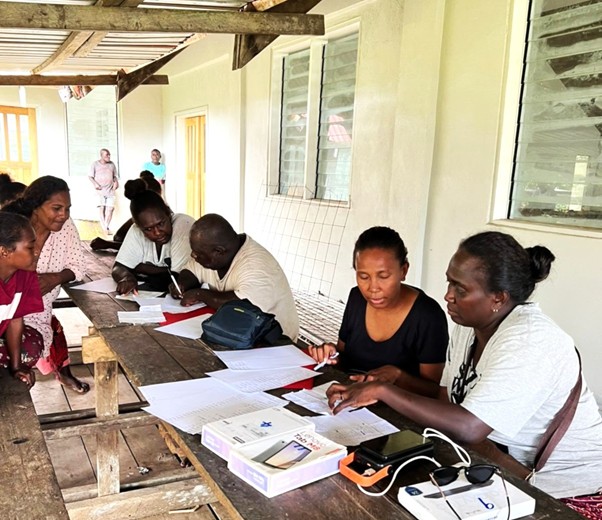
AIM-N staff conducting baseline survey in Western Province