

MECDM COMMENDS SI-AUSTRALIA PARTNERSHIP FOR SUPPORT TO LOCAL PLASTIC RECYCLING COMPANY
The Ministry of Environment, Climate Change, Disaster Management and Meteorology (MECDM) commends the recent support from SI-Australia Partnership through the Strongim Bisnis towards local innovative solutions to manage waste in the country.The SI–Australian Partnership through Strongim Bisnis has supported the Design Technology Center through the provision of a new shredder machine amongst other materials, enabling the Center to process high‑density polyethylene (HDPE) plastics and transform them into new products. The initial trial will focus on producing a rotomoulded water tanks.
The Ministry is pleased to hear of this recent support, which is an added value to the ongoing national efforts towards promoting waste to energy as one of the measures to address the plastic waste problem faced in the country.
The Ministry has been working collaboratively with the Design Technology Center a local recycling company, by providing funding support under the national budget, including mobilising technical and financial support by other development partners such as SPREP, AFD and UNDP.
Recently, MECDM through its Environment and Conservation Division (ECD), supported the successful completion of a Used-Oil Management Facility at Design Technology Center which includes required equipment for waste oil management and a designated area for plastic waste recycling within the facility.
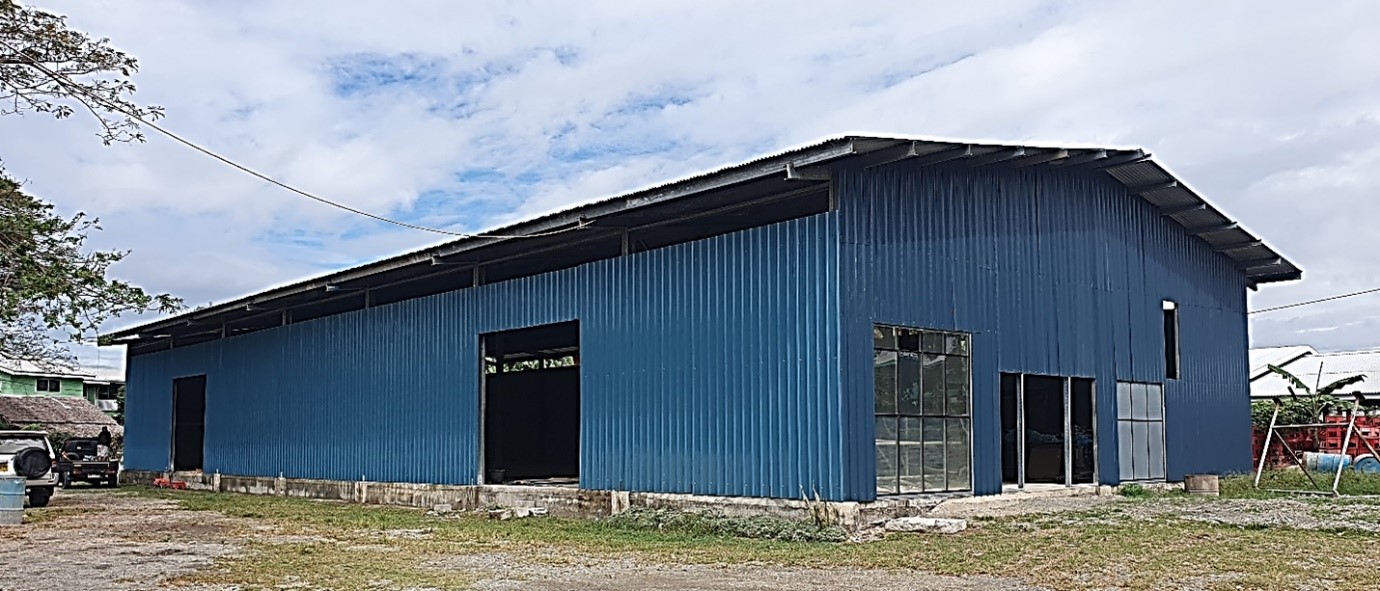
Newly completed used oil management facility funded under SWAP Project. Photo Credit: Lindsay Teobasi, Design Technology Centre
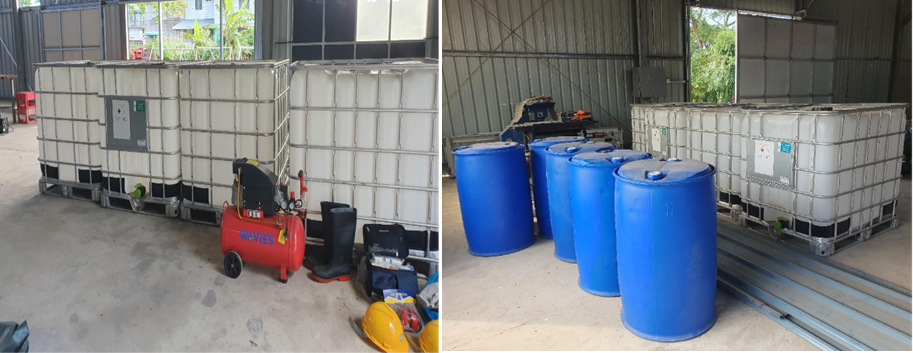
Equipments procured under SWAP Project, SPREP for Used oil management. Photo Credit: Lindsay Teobasi, Design Technology Center.
This Used Oil Management Facility is one of the key priority areas supported by Partners through the Ministry. Waste oil is one of the emerging and hazardous waste streams faced in the country. Recent data indicates that a huge amount of crude oil which later becomes waste oil is improperly disposed and poorly managed. Without the establishment of appropriate management mechanisms, waste oil can contaminate ground water and soil, pollutes the marine environment and wildlife, and contaminates food source for human consumption. Additionally, burning used oil releases harmful chemicals that pollutes the air quality and causes respiratory issues. Hence, by establishing and enhancing appropriate waste management frameworks targeting specific problematic waste streams enables us to safeguard our environment and people achieved through shared responsibility by all stakeholders.
Mr. Hiriasia, Permanent Secretary of the Ministry, encourages such support, which promotes public and private partnerships and that aligns and implements the national policy on waste and pollution in the country. Further, locally driven initiatives such as the Design Technology Center must be recognized as they provide innovative and practical solutions for addressing plastic pollution and waste oil management.
The Ministry remains committed to working closely with stakeholders, development partners, and the private sector to enhance and address waste management and control pollution across the country, with a strong focus on promoting and encouraging public-private partnerships.
//END//