

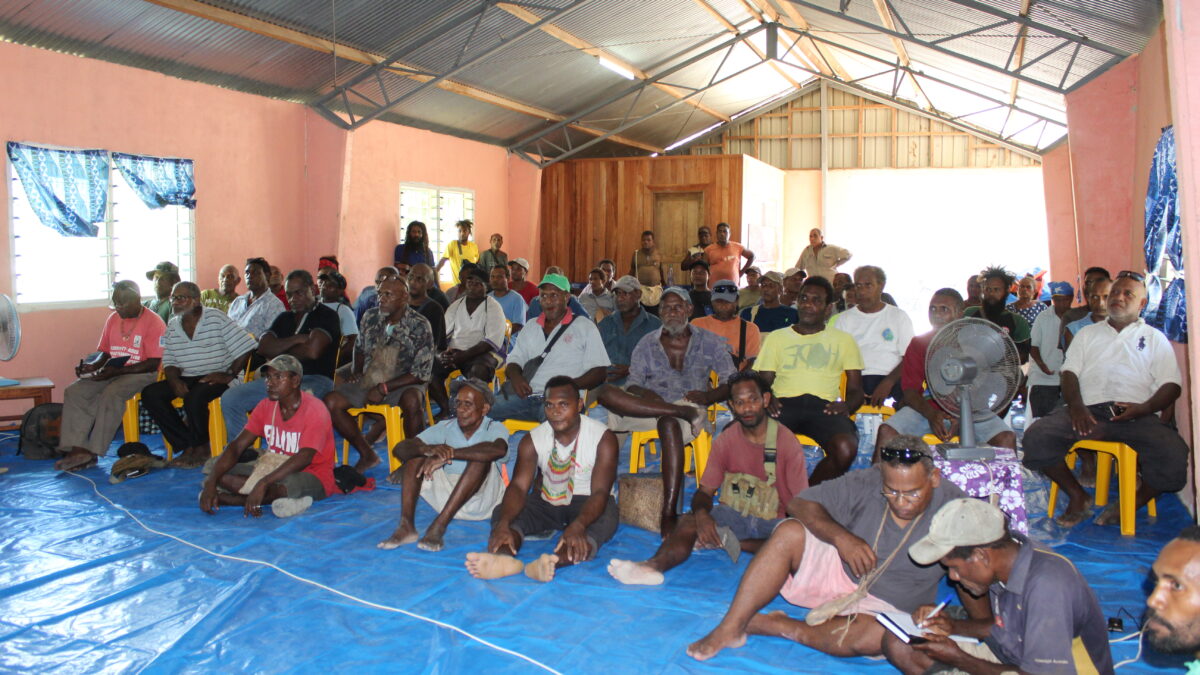
Cocoa & Copra Farmers attends Training at Malu'u Station
CEMA Strengthens Farmer Capacity Through Nationwide Training Program
The Commodities Export Marketing Authority (CEMA), trading as Solomon Commodities continues to progress in building the capacity of local farmers across the country through ongoing training programs under the CEMA Revitalization Strategy.
Last week, CEMA conducted its first training for 2025 at Voza Village in Choiseul Province, led by Operations Manager George Tuke and Senior Produce Inspector Peter Rockson Lima. The training focused on enhancing farmers’ knowledge in copra processing, quality assurance (QA), and marketing techniques.
The CEMA Team is currently in the Western Province, carrying out Buying Agent assessments in Rendova and Kolombangara.
Over the last three years, CEMA has successfully delivered numerous training sessions across the country through funding support from the Ministry of Agriculture & Livestock. Since the launch of the Revitalization Program in 2021, training efforts have reached hundreds of farmers.
These included six Quality Assurance (QA) training sessions for a total of 234 coconut farmers across Isabel, Makira, Temotu, Western, Guadalcanal, and Choiseul Provinces. Similarly, CEMA also delivered two QA cocoa training sessions for 48 farmers in Isabel and Temotu provinces.
In 2024, CEMA delivered similar training sessions to farmers in copra and cocoa in Malu’u in Malaita Province and Yandina, Savo, and West Russell in the Central Islands Province.
Before implementing the Revitalization Program, CEMA in collaboration with the Ministry of Agriculture and Livestock and other Donor-funded projects conducted numerous trainings for coconut and cocoa farmers throughout the country.
This year, CEMA received funding through the Ministry of Finance and Treasury, under the Community Service Obligation (CSO) 2024, in December 2024 for the conducting of 8 Copra Quality training and 8 Cocoa Quality training programs, which the first Copra training has been carried out at Voza and the rest of the provincial training will be carried out throughout this year.
These trainings are part of CEMA’s broader goal to empower rural farmers, improve product quality, and strengthen the commodity export value chain. The sessions also reflect the Authority’s commitment to inclusive development, capacity-building, and rural economic empowerment.
Director of the CEMA Sub-Committee, Simon Chottu acknowledged the Ministry of Commerce, Industry, Labour and Immigration, the Ministry of Agriculture & Livestock, the Ministry of Finance and Treasury, and provincial partners that supported CEMA in this effort.
“Let us continue to work together across sectors, provinces, and communities to ensure that the benefits of this revitalized CEMA reach every household, every farmer, youth, and every child in our islands,” he said.
CEMA looks forward to expanding these training efforts to other provinces in the coming months, in line with the Government’s national priorities and the ongoing implementation of Phase 3 of the CEMA Revitalization and Recapitalization Strategy (2024–2028).
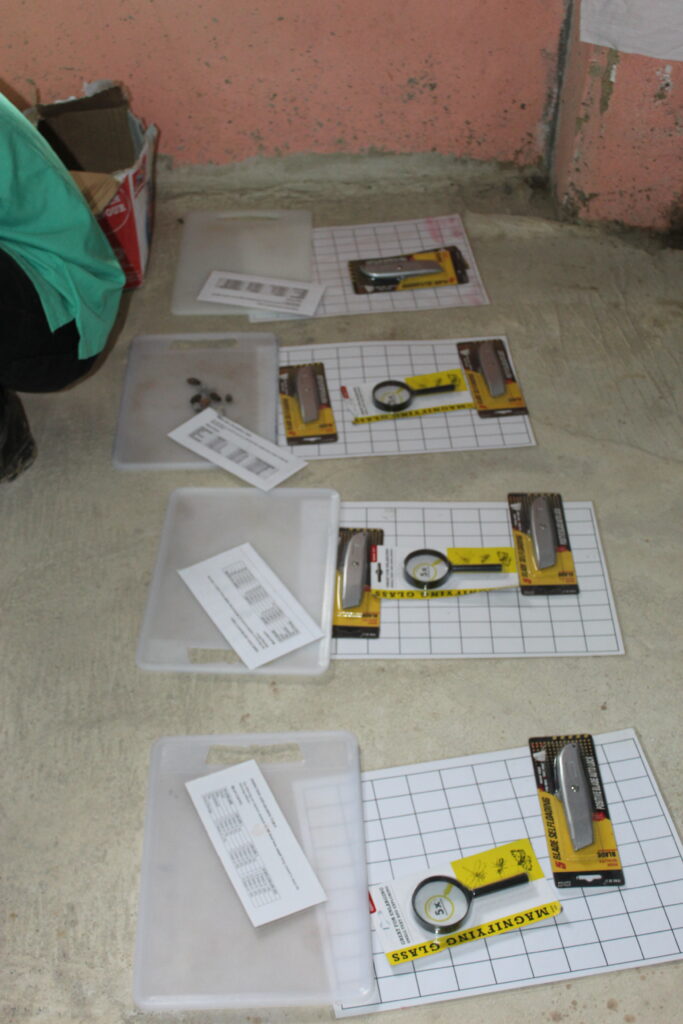
Cocoa Grading & Inspecion kits distrubuted to farmers during the training.
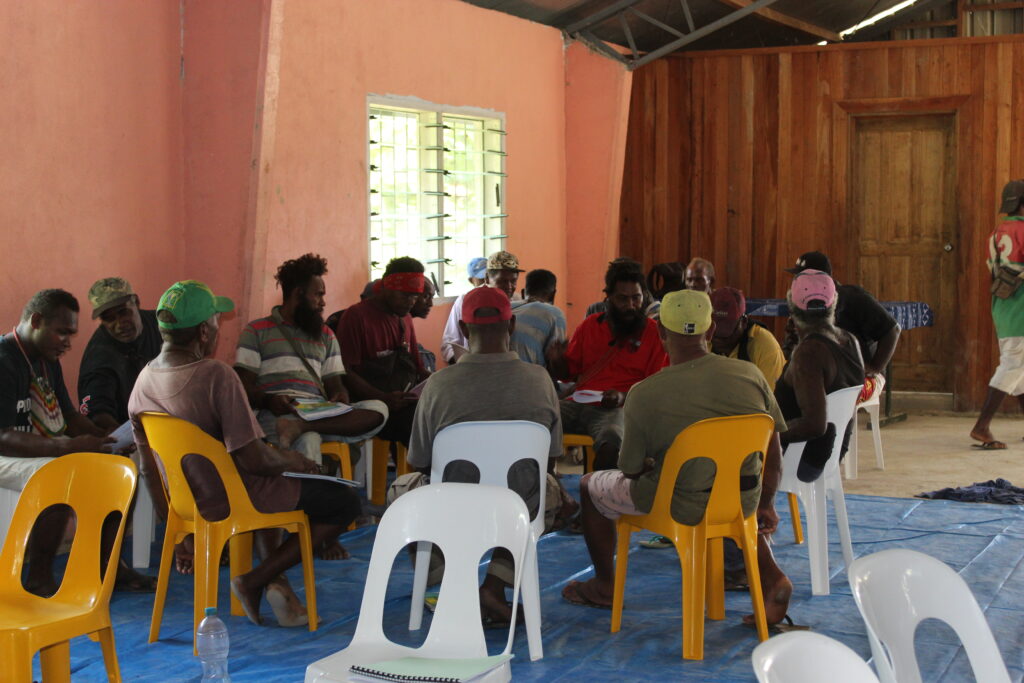
Farmers’ Group Discussion during training at Malu’u.
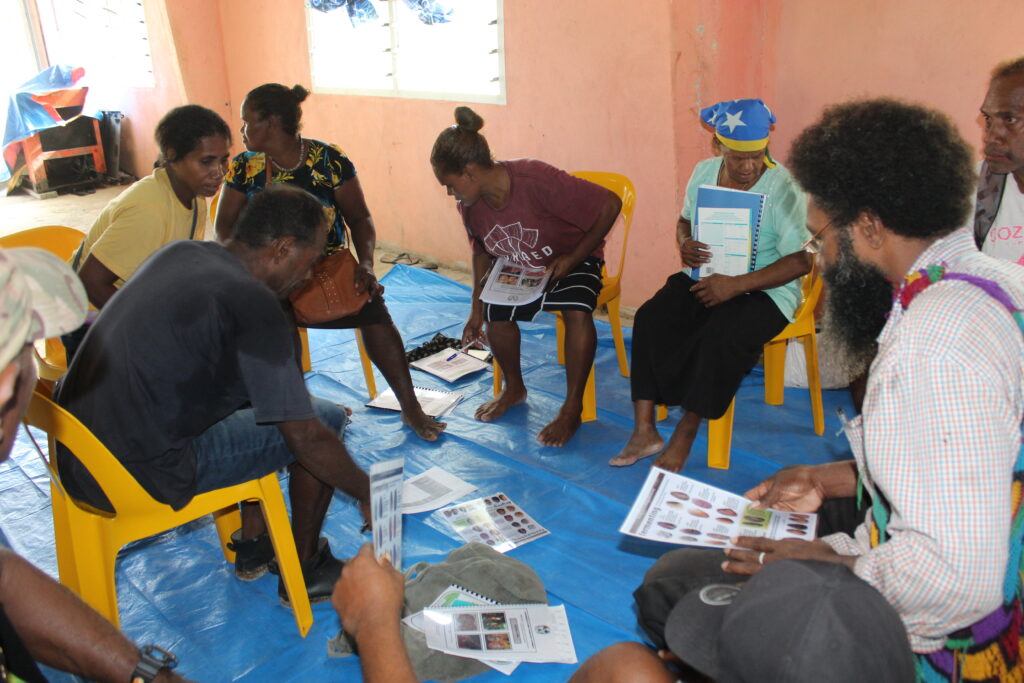
Farmers working in Groups during Cocoa Training at Malu’u.
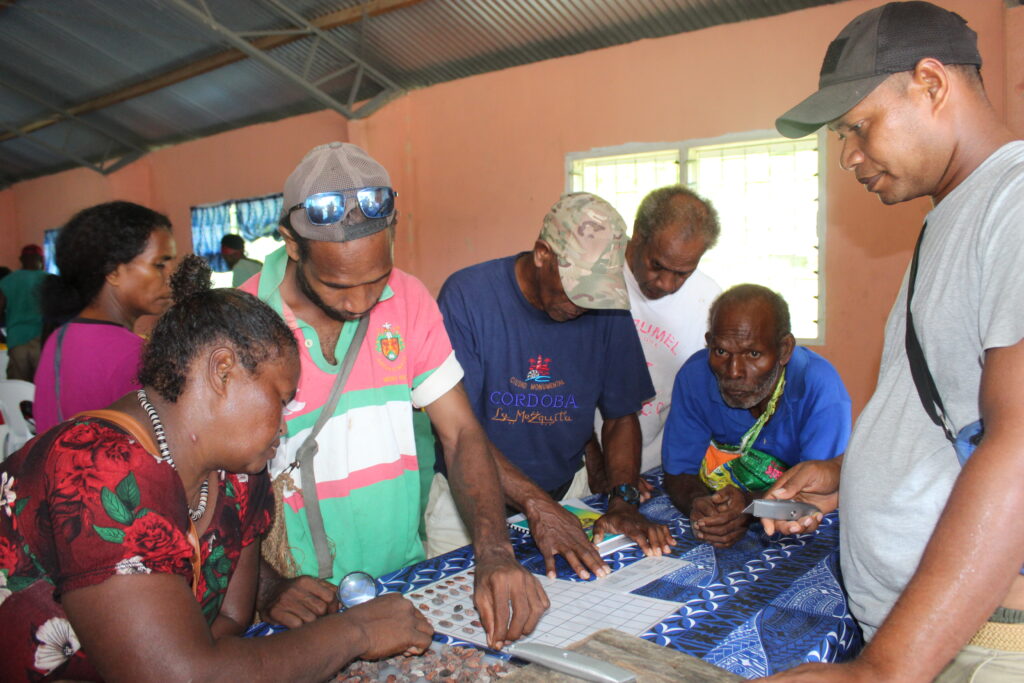
Framers doing practical exercis during the Cocoa training at Malu’u.
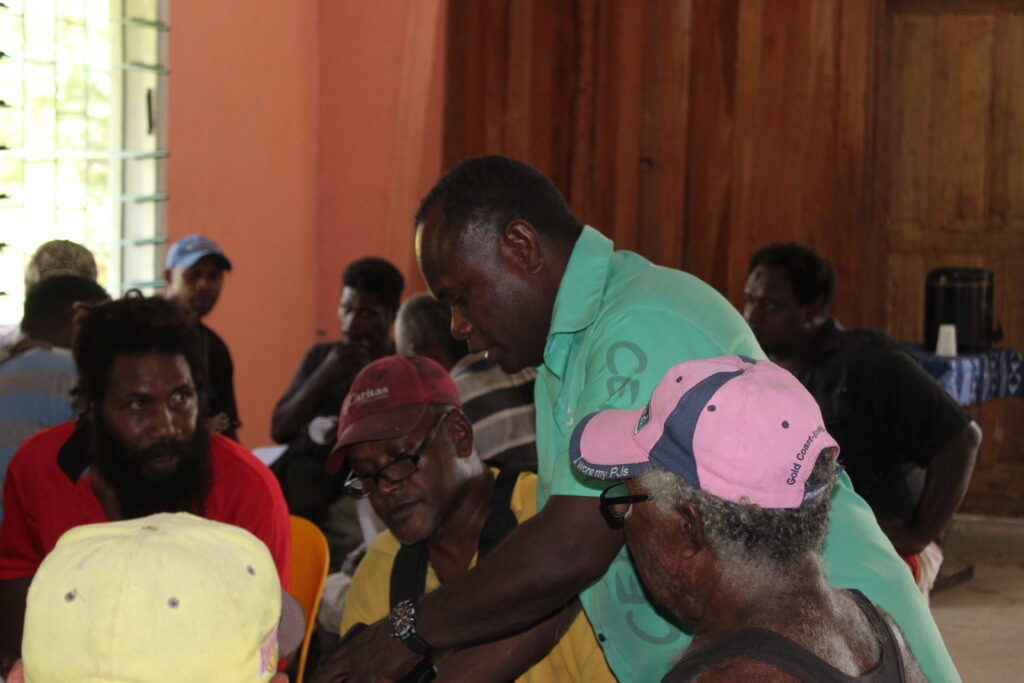
George Tuke, CEMA Operations Manager assisting farmers during group work.
Ends///