

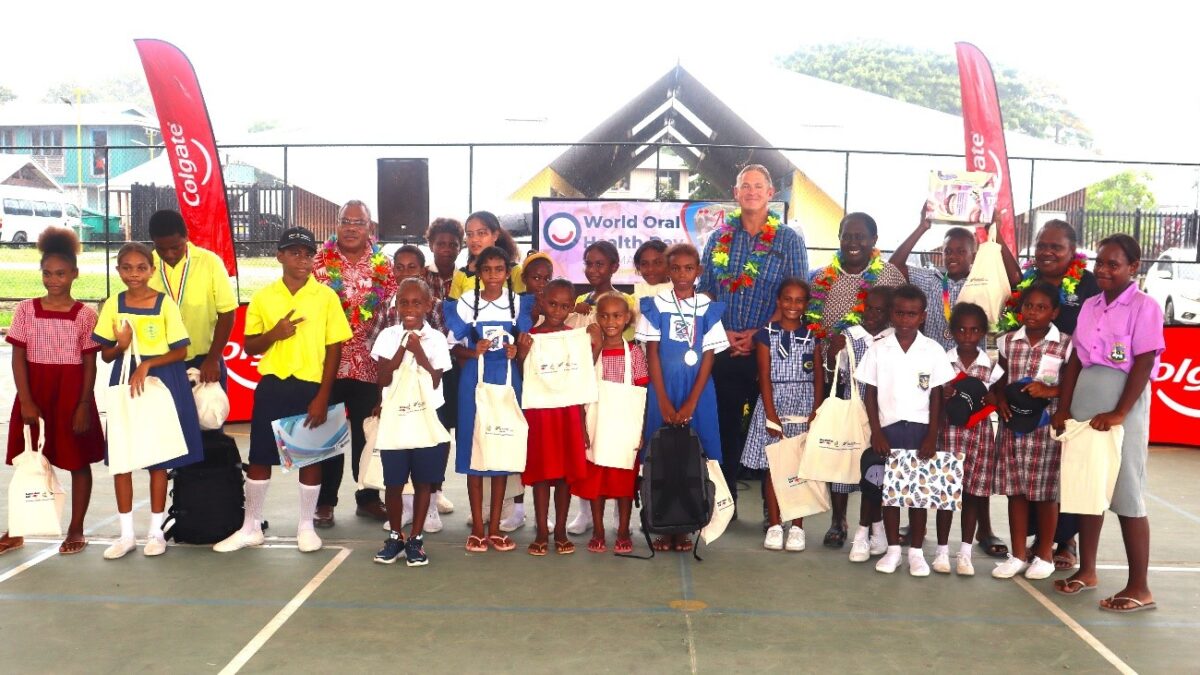
Figure 1 In group photo: Health Permanent Secretary Mrs. Pauline McNeil, Australia High Commissioner Human Development Counselor Dr Tristan Amstrong, Head of Dental Unit, NRH, Dr Elisson Vane and some of the students who joined oral health day art competition and received prizes
Health & Partners yesterday celebrate World Oral Health Day
The Ministry of Health and Medical Services (MHMS), together with the Ministry of Education and Human Resources Development (MEHRD), New Zealand Ministry of Foreign Affairs and Trade (MFAT), the Australian Department of Foreign Affairs and Trade (DFAT), World Health Organization (WHO), and a total of eight Primary Schools in Honiara yesterday morning celebrated the World Oral Health Day with the theme ‘A happy mouth is a happy mind’.
In her remarks during the celebrations, Ministry of Health and Medical Services, Permanent Secretary (PS) Mrs. Pauline McNeil echoed, the day is special because it reminds us again why taking care of our mouths is important for our overall health and happiness.
“The theme for this year’s World Oral Health Day, “A Happy Mouth is a Happy Mind,” reminds us that our oral health is closely linked to our mental and physical health and well-being. When we have a toothache, bad breath, or missing teeth, it can make us feel embarrassed, uncomfortable, worried, or even sad. But when our mouth is healthy, we can speak clearly, eat comfortably, and smile with confidence”, said Mrs. McNeil.
“But let’s not wait for one day of the year to remind us that, it should be an everyday and a daily reminder”, Mrs. McNeil reiterated.
She added that oral diseases remain one of the most common but most preventable non-communicable diseases (NCD) globally, affecting approximately 3.5 billion people. The burden of oral diseases is particularly concerning in the Solomon Islands, placing increasing pressure on the healthcare system.
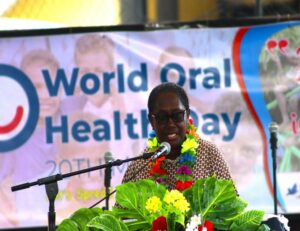
Figure 2 Health Permanent Secretary Mrs. Pauline McNeil sharing her remarks at the event
According to the Global Oral Health Status Report (WHO, 2022), our country has the highest rate of tooth decay in baby teeth among children aged 1–9 years in the Western Pacific region.
“Among 27 countries in the region, we also rank third in cases of tooth decay in permanent teeth in children aged five years and older. “These numbers show us that we need to do more to improve oral health education and care”, said Mrs. McNeil.
She further stated that in the Solomon Islands, many people, especially in rural areas, find it hard to get dental care – because of so many reasons (perhaps we don’t have the services available, we don’t have a dentist around, even if the service exists in the health facility etc.).
Tooth decay, gum disease, and other oral health problems are common, affecting both children and adults. However, we can change this by spreading awareness, educating our people, and taking simple steps to prevent these problems.
Oral diseases, such as tooth decay, gum disease, and oral cancer, share the same risk factors as other diseases like diabetes. This means that if we take care of our oral health, and eat healthy and the right food, we can also help prevent other lifestyle diseases. The mouth is the entry point for the food we eat and drink, the harmful substance we take, so let’s think first before we do anything that would be harmful to our body and our overall health we eat and drink. This is why investing in oral health education is an important step in improving the overall health of our people”, said Mrs. McNeil.
With that, she said, the Ministry of Health is dedicated to improving oral healthcare across the country. The Ministry’s goal is to make sure that everyone, no matter where they live, can access good dental care and learn how to keep their mouth healthy.
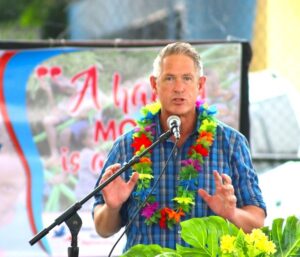
Figure 3 Australia High Commission’s Human Development Counselor Dr. Tristan Amstrong speaking at the event
“But we cannot do this alone – we need the support of the government, our stakeholders and partners, healthcare workers, schools, the communities, our churches and our families.
However, she stated the best way to fight oral diseases is through prevention. “Simply, daily habits like brushing with fluoride toothpaste, flossing, eating healthy foods, and visiting the dentist regularly can protect our teeth. At the same time, we must also stop harmful habits like eating too much sugar and chewing betel nuts, which can cause oral cancer and other serious health problems”.
“As we celebrate World Oral Health Day today, I ask each of you to make a personal commitment to taking care of your oral health. Parents, teach your children to brush their teeth every day. Schools include oral health lessons in the curriculum. Community and church leaders push for clean water, healthy food, and better healthcare. And as a government, we will continue to work on better policies and programs to support oral health for all”, said Mrs. McNeil.
Meanwhile, speaking on behalf of Australia and New Zealand governments, Australia High Commission’s Human Development Counselor Dr. Tristan Amstrong emphasized the importance of oral health and encouraged everyone and the children who were present at the event to brush their teeth every day.
Ends////….
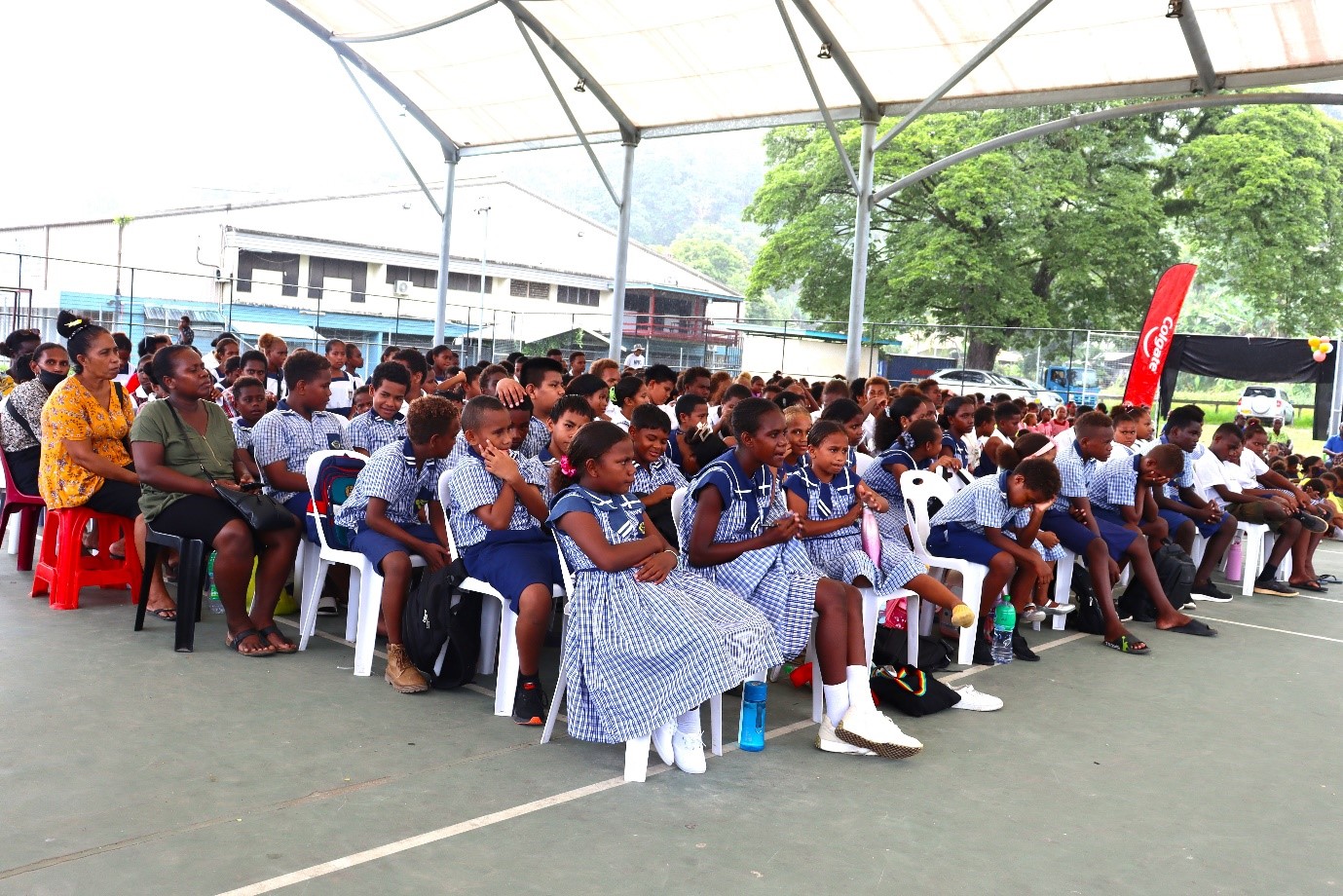
Figure 4 Some of the school students and teachers who attended the event
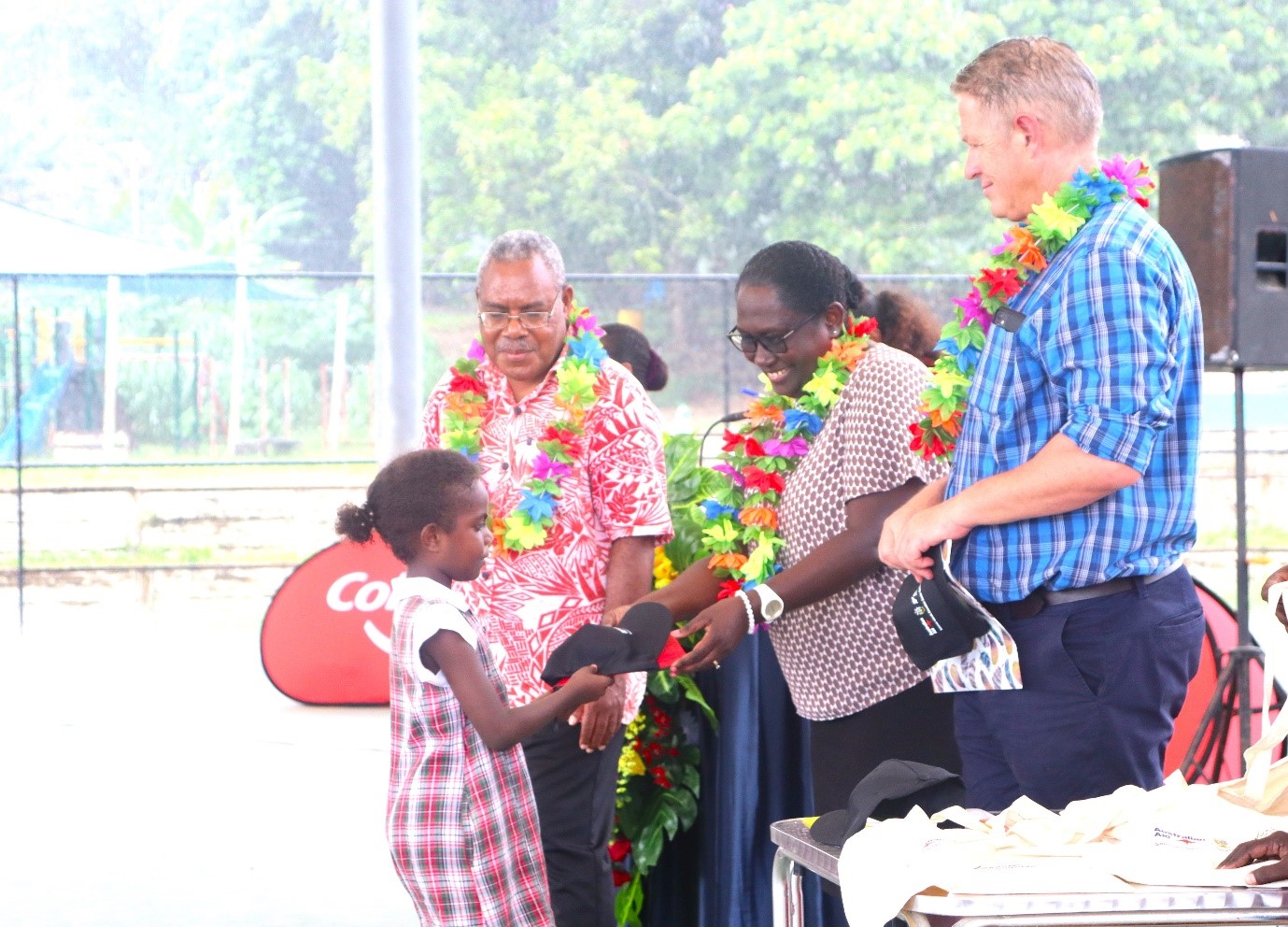
Figure 5 Health Permanent Secretary Mrs. Pauline McNeil giving a consolation prize to a Coronation Primary School student and looking is Head of Dental Unit, NRH, Dr Elisson Vane and Australia High Commission’s Human Development Counselor Dr. Tristan Amstrong
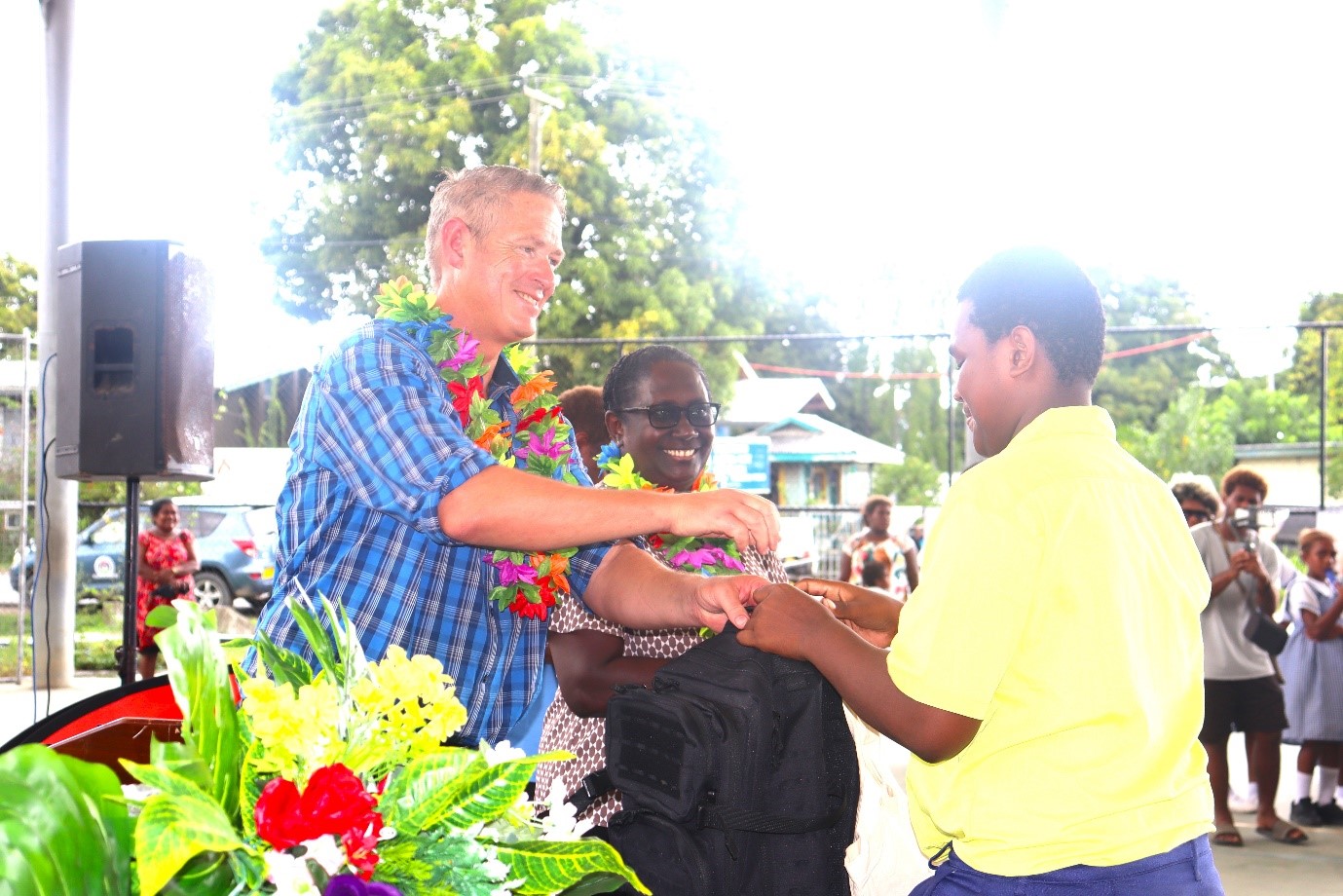
Figure 6 Australia High Commission’s Human Development Counselor, Dr. Tristan Amstrong presented a school bag gift to Jabez Hiru, a Florence Young Primary student who won 1st prize at senior category level, art competition.
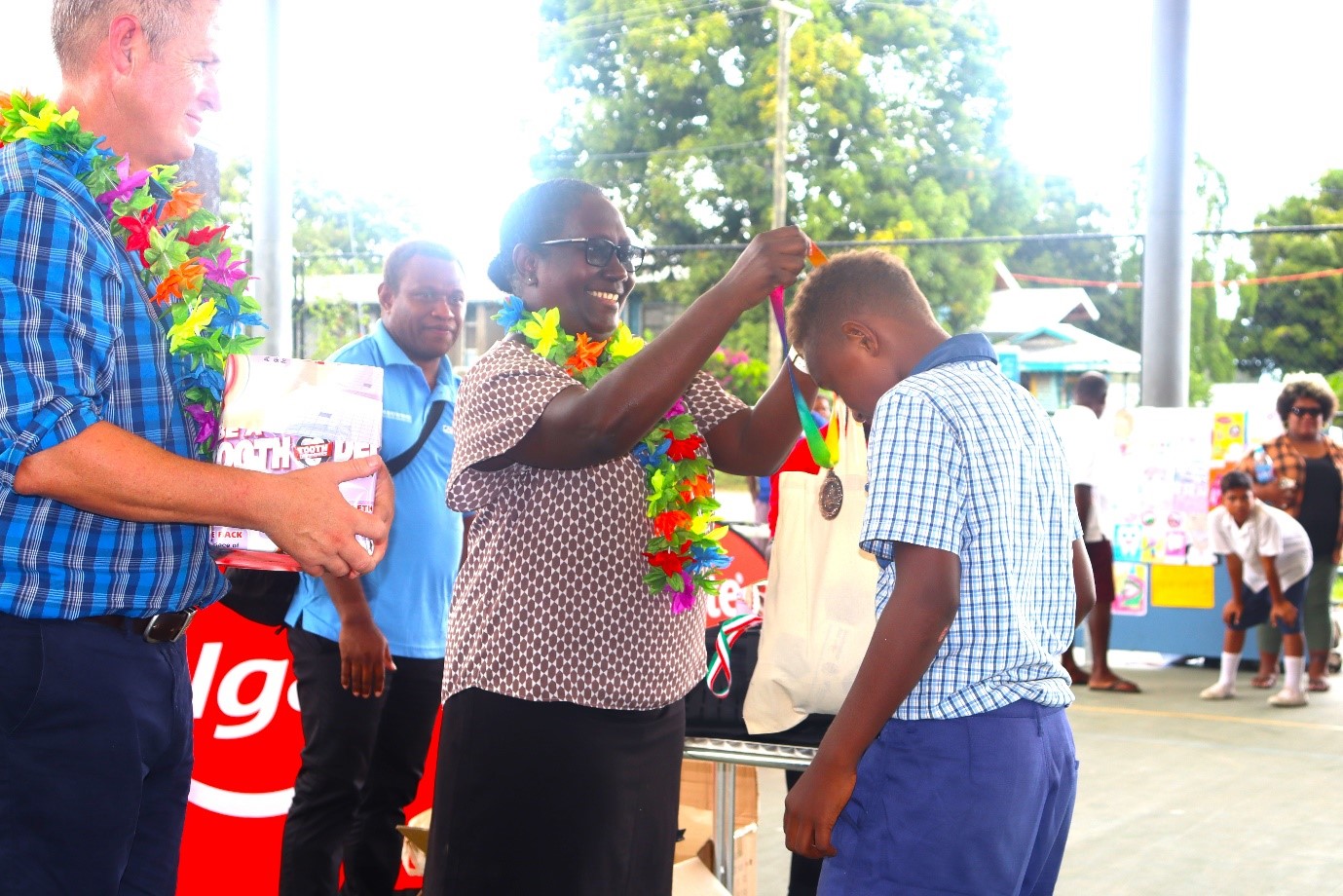
Figure 7 Health Permanent Secretary Mrs. Pauline McNeil presented a medal to Trevor Fooa, Perch Primary School student, who won the third prize at senior category level

Figure 8 Students from Honiara Integrated Primary School performed a skit on the effects and importance of oral health